Australian Shepherd: Breed Guide & Care
Complete guide to the intelligent, energetic, and loyal Australian Shepherd. Learn about their traits, care needs, training, and health to provide the best life for your Aussie.
The Australian Shepherd, often simply called the "Aussie," is a highly intelligent, energetic, and versatile herding breed. Despite the name, the breed was developed in the United States, not Australia, and is cherished for its loyalty, work ethic, and striking good looks. This comprehensive guide covers everything you need to know about the Australian Shepherd, from their temperament and exercise needs to health care, training, and finding the right products for your furry friend.
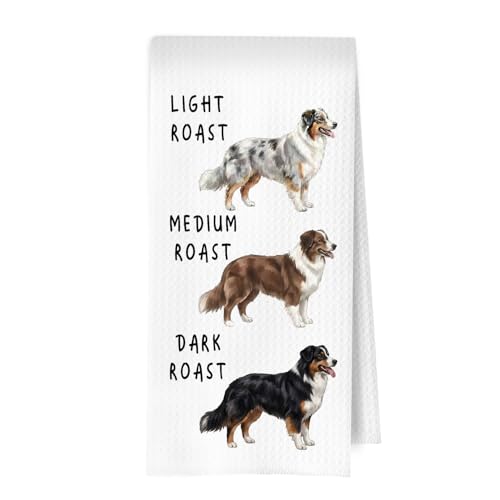
Quick Breed Overview: Australian Shepherds are medium-sized dogs known for their beautiful merle coats, piercing eyes (which can be blue, brown, or one of each), and their bobbed or docked tails. They are highly trainable and excel in dog sports like agility, obedience, and herding. They are best suited for active families who can provide plenty of exercise and mental stimulation.
Australian Shepherd Temperament & Personality
Australian Shepherds are known for their intelligence, loyalty, and high energy. They form strong bonds with their families and are often described as "velcro dogs" because they love to be close to their humans. They are naturally protective and make excellent watchdogs, though their friendly nature means they're not typically aggressive without reason.
- Intelligent & Eager to Please: Aussies are among the smartest dog breeds, making them highly trainable. They thrive on learning new tasks and enjoy having a "job" to do.
- Energetic & Active: They require significant daily exercise—at least 60-90 minutes of vigorous activity. They excel in herding, agility, flyball, and other canine sports.
- Loyal & Protective: They are devoted to their families and can be wary of strangers, making them good watchdogs. Early socialization and training are crucial.
- Good with Families: When properly socialized, Aussies are great with children. They have strong herding instincts, so they may try to "herd" kids by nipping at heels, which can be managed through training.
- Reserved with Strangers: They can be aloof with strangers but are not typically aggressive. Proper socialization helps them distinguish between friend and foe.
Exercise & Activity Requirements
The Australian Shepherd is a working breed, and their exercise needs are high. They are not suitable for apartment living or sedentary owners. Without adequate physical and mental activity, they can become bored, destructive, and develop behavioral issues.
Daily Exercise Needs
- Daily Exercise: 60-90 minutes minimum of vigorous activity. This should include a mix of walking, running, fetching, and interactive play.
- Mental Stimulation: Aussies need their brains exercised, too. Puzzle toys, training sessions, and agility training are excellent outlets.
- Breed-Specific Activities: They excel at herding, flyball, dock diving, and obedience competitions. Engaging in these activities satisfies their natural instincts.
- Off-Leash Exercise: In a safe, enclosed area, off-leash running and playing are ideal for burning off energy.
Tip for Aussie Owners: A tired Aussie is a happy Aussie. Without enough exercise, they may develop anxious or destructive behaviors like excessive barking, chewing, or digging. Incorporate a variety of activities to keep them both physically and mentally stimulated.
Health & Lifespan
Australian Shepherds are generally healthy dogs, but like all breeds, they are prone to certain health conditions. Responsible breeding practices and regular veterinary care can help manage and prevent many issues. The average lifespan of an Australian Shepherd is 12-15 years.
- Hip Dysplasia: A common condition in many medium-to-large breeds, hip dysplasia can lead to arthritis and lameness. Regular exercise and maintaining a healthy weight are crucial.
- Elbow Dysplasia: Similar to hip dysplasia, this affects the elbows and can cause pain and mobility issues. Keeping your Aussie at an ideal weight is key.
- Eye Conditions: Aussies are prone to several eye issues, including cataracts, progressive retinal atrophy (PRA), and collie eye anomaly. Regular veterinary check-ups are essential.
- Epilepsy: Some Aussies can develop epilepsy, a neurological disorder that causes seizures. This can usually be managed with medication.
- Deafness: The merle gene, responsible for the breed's beautiful coat patterns, is also linked to deafness in some dogs. Responsible breeders screen for this.
Health Maintenance: Regular vet visits, a high-quality diet, and proper exercise are key to extending your Aussie's lifespan. Consider joint supplements for senior dogs and always keep up with vaccinations and parasite prevention.
Grooming & Care
Australian Shepherds have a medium-length, double coat that is water-resistant and weather-proof. They are moderate shedders and require regular grooming to keep their coat healthy and mat-free. They also have a natural "bobtail" or may have a docked tail, which requires little care.
- Brushing: Brush your Aussie 2-3 times a week to remove loose fur and prevent mats. During shedding seasons (spring and fall), daily brushing may be necessary.
- Bathing: Bathe your dog every 2-3 months, or as needed. Use a dog-specific shampoo to avoid stripping natural oils.
- Ear Cleaning: Check and clean their ears weekly to prevent infections, especially if they spend a lot of time outdoors.
- Nail Trimming: Trim their nails every 2-4 weeks to prevent overgrowth and cracking.
- Dental Care: Brush their teeth 2-3 times a week to prevent dental disease. Use dog-specific toothpaste.
Training an Australian Shepherd
Training an Australian Shepherd is a rewarding experience because they are so intelligent and eager to please. However, their intelligence means they need consistent, positive, and engaging training methods.
- Start Early: Begin socialization and basic training as a puppy. Aussie puppies are highly receptive and learn quickly.
- Positive Reinforcement: Use treats, praise, and play as rewards. They respond very well to positive reinforcement techniques.
- Consistency is Key: Be consistent with commands and rules. Every family member should use the same cues to avoid confusion.
- Mental Challenges: Incorporate puzzle toys and advanced training to keep their minds sharp. They excel at learning new tricks.
- Channel Their Instincts: Activities like agility, herding, and obedience tap into their natural instincts and provide excellent outlets for their energy.
Finding the Right Australian Shepherd
If you're considering adding an Australian Shepherd to your family, it's crucial to find a responsible breeder or consider adoption. This ensures you get a healthy, well-adjusted dog and supports ethical breeding practices.
- Reputable Breeders: Look for breeders who conduct health screenings (hips, elbows, eyes, and genetic testing) and are willing to show you the puppy's parents and environment. They should be knowledgeable about the breed and its needs.
- Adoption: Many Aussies and Aussie mixes are in shelters and rescues. Adopting an adult dog can be a great option, especially if you prefer a dog past the puppy stage.
- Red Flags: Avoid breeders who don't ask questions about your lifestyle, won't let you visit the facility, or have multiple litters available at once. These are often signs of a puppy mill or backyard breeder.
- Puppy Prices: The cost of an Australian Shepherd puppy from a reputable breeder is typically between $800 and $2,500, depending on the breeder's location, the puppy's lineage, and whether it's a show-quality dog or a pet-quality dog.
Important Consideration: Australian Shepherds are not for everyone. They require significant time, energy, and commitment. If you cannot provide them with the exercise, mental stimulation, and space they need, consider a less demanding breed. However, if you are an active individual or family, an Aussie can be the most loyal and rewarding companion.