Dog Food Toppers: The Complete Guide to Meal Enhancers
Everything you need to know about choosing, using, and benefiting from dog food toppers — from enticing picky eaters to supporting sensitive stomachs and boosting nutrition.
If your dog turns their nose up at dinner, picks out the tasty bits and leaves the kibble, or needs extra encouragement to eat, you are not alone. Many dog owners face the daily challenge of making mealtime appealing and nutritious. This is where dog food toppers come in — a simple yet effective solution that can transform your dog's relationship with food.
But with so many options on the market, how do you know which topper is right for your dog? This comprehensive guide will walk you through everything you need to know about dog food toppers — what they are, how they work, which types suit different needs, and how to use them safely. Whether you are dealing with a picky eater with a sensitive stomach or simply want to add variety to your dog's meals, this guide will help you make informed decisions.
What Are Dog Food Toppers?
Dog food toppers are supplemental foods or liquids that you add to your dog's regular meals to enhance flavor, texture, aroma, or nutritional value. Think of them as the dog equivalent of adding sauce or seasoning to a plain dish — they make the base meal more appealing without completely replacing it.
Unlike switching your dog to an entirely new food, toppers allow you to keep the core nutrition your dog needs while addressing specific issues like appetite loss, boredom with the same flavor, or the need for extra hydration. They are versatile, easy to use, and can be tailored to your dog's individual preferences and health requirements.
Important Note: Toppers are not meant to replace your dog's complete and balanced diet. They should complement a high-quality base food, not substitute for it. According to veterinary guidelines, treats and toppers combined should not exceed 10 percent of your dog's daily caloric intake to avoid nutritional imbalances.
Toppers have become increasingly popular as pet owners seek ways to accommodate dogs with allergies and sensitive stomachs while still providing complete nutrition. They offer flexibility that a single bag of kibble cannot, allowing you to customize each meal based on what your dog needs that day.
Types of Dog Food Toppers
Dog food toppers come in several forms, each with unique benefits and ideal use cases. Understanding the differences will help you select the best option for your dog.
Liquid Toppers (Broths & Gravies)
Flavorful liquids that add moisture and aroma to dry kibble. Ideal for dogs who need extra hydration, senior dogs with reduced appetite, or picky eaters who prefer wet food texture. Look for low-sodium options without artificial flavors or preservatives. Bone broth toppers are particularly popular for their palatability and potential joint health benefits.
Entry-level to premiumPowdered Toppers & Meal Mixers
Dry powders that you sprinkle over kibble and mix in. These often contain concentrated nutrition like freeze-dried organ meats, probiotics, or joint supplements. Excellent for adding specific nutrients without significantly changing the taste or texture. Convenient to store and easy to portion. Some are complete meal mixers designed to be rehydrated with water.
Mid-tier to high-endFreeze-Dried Raw Toppers
Pieces of freeze-dried raw meat, organs, or whole prey that retain maximum nutritional value. These can be fed as-is for a crunchy texture or rehydrated for a softer, more aromatic meal. Highly palatable and excellent for picky eaters. Many owners use them as high-value training treats as well. Choose single-protein options for dogs with food sensitivities.
Premium to luxuryWet Food Mixers
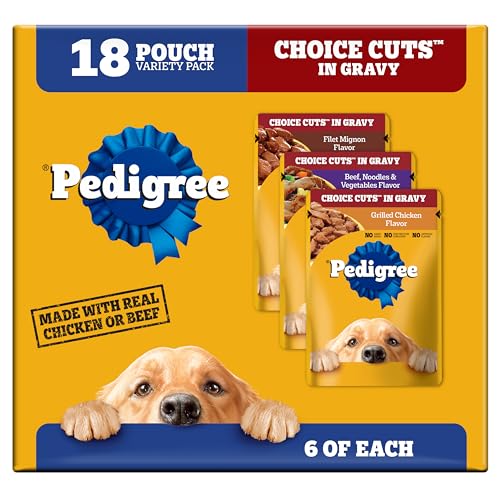
Canned or pouched wet food designed specifically to mix with dry kibble. These offer the taste and texture of wet food without fully transitioning your dog. Great for adding variety and moisture. Some are nutritionally complete on their own, while others are intended only as supplements. Check labels carefully to ensure they meet your dog's needs.
Affordable to mid-rangeFunctional Toppers
Toppers formulated for specific health concerns like joint support, digestive health, skin and coat condition, or calming. These contain targeted ingredients such as glucosamine, probiotics, omega fatty acids, or chamomile. Ideal for senior dogs or those with specific health issues. Always consult your vet before using functional toppers if your dog takes medication.
Mid-tier to premiumLimited-Ingredient Toppers
Designed for dogs with food allergies or sensitivities. These feature a single protein source and minimal added ingredients to reduce the risk of triggering reactions. Excellent for elimination diets or dogs with known allergies. Often paired with limited ingredient dog food for a comprehensive approach. Always verify that the protein source matches your dog's safe foods.
PremiumKey Benefits of Using Dog Food Toppers
Toppers offer a range of advantages that can improve your dog's mealtime experience and overall well-being. Here are the most significant benefits:
- Improved Appetite: The enhanced aroma and flavor of toppers stimulate even the fussiest eaters. Dogs rely heavily on smell to determine if food is appealing, and toppers deliver a sensory experience that plain kibble cannot match.
- Increased Hydration: Liquid toppers add moisture to dry food, helping dogs who do not drink enough water. This is especially important for dogs prone to urinary tract issues or those on dry-food-only diets.
- Nutritional Boost: Functional and powdered toppers allow you to add specific nutrients — like omega fatty acids for skin health, probiotics for digestion, or glucosamine for joints — without switching to an entirely new diet.
- Medication Delivery: If your dog needs oral medication, hiding it in a flavorful topper can make administration stress-free for both of you. Pill pockets and flavored pastes work well for this purpose.
- Variety Without Disruption: Toppers let you introduce variety without the digestive upset that often accompanies a complete food switch. This is particularly valuable for dogs with sensitive stomachs who need consistency but also benefit from occasional changes.
- Weight Management Support: For dogs needing to gain weight, calorie-dense toppers can add healthy calories without increasing meal volume. For dogs needing to lose weight, you can use low-calorie toppers to make reduced portions feel more satisfying.
- Senior Dog Support: Older dogs often experience reduced appetite and dental issues that make eating uncomfortable. Soft, aromatic toppers can make meals easier to chew and more appealing. See our guide to dog food for elderly dogs for more senior-specific recommendations.
Toppers for Picky Eaters
Few things are more frustrating than a dog who refuses to eat. Picky eating can stem from various causes — medical issues, stress, boredom with the same food, or simply strong preferences. Before assuming your dog is just fussy, rule out underlying health problems with your veterinarian.
Once medical causes are eliminated, toppers can be a powerful tool for encouraging your dog to eat. Here is how to use them effectively:
- Start with aroma: Warm the topper slightly to release more scent. Dogs have an incredible sense of smell, and warmth intensifies aroma. A few seconds in the microwave (test temperature first) or adding warm water to a powdered topper can make a big difference.
- Choose high-value proteins: Toppers featuring real meat like chicken, beef, salmon, or liver tend to be most appealing. Novel proteins like venison, duck, or rabbit can entice dogs bored with common flavors.
- Mix thoroughly: Do not just pour the topper on top — mix it through the kibble so every bite carries the enhanced flavor. This prevents your dog from eating only the topper and leaving the kibble behind.
- Be consistent but flexible: Establish a feeding routine, but rotate topper flavors to prevent boredom. Having two or three different toppers on hand allows you to alternate without fully switching foods.
- Avoid free-feeding: If your dog knows food is always available, they have less incentive to eat. Set meals down for 15-20 minutes, then remove them. A slightly hungry dog is more likely to eat what is offered.
Pro Tip: If your dog is a picky eater but otherwise healthy, avoid the temptation to constantly switch foods or offer human food as a substitute. This can create worse habits and nutritional imbalances. Instead, use toppers strategically to make their complete diet more appealing, and consult our guide on what to do when your dog won't eat dog food but will eat treats for more solutions.
Toppers for Sensitive Stomachs
Dogs with sensitive stomachs require careful dietary management. The wrong topper can trigger vomiting, diarrhea, or discomfort. However, the right topper can actually support digestive health and make meals more appealing for dogs who associate eating with discomfort.
When selecting toppers for a dog with a sensitive stomach, prioritize these qualities:
- Limited ingredients: Fewer ingredients mean fewer potential triggers. Look for toppers with a single protein source and no artificial additives, preservatives, or fillers. Our guide to dog food for sensitive stomachs covers more dietary strategies.
- Novel proteins: If your dog has been eating chicken or beef their whole life, a topper featuring venison, duck, or whitefish may be less likely to trigger a reaction.
- Prebiotics and probiotics: Some toppers include ingredients that support gut health, like pumpkin, sweet potato, or fermented foods. These can help regulate digestion over time.
- No artificial anything: Artificial colors, flavors, and preservatives are common triggers for sensitive dogs. Choose natural, simple formulations.
- Easy to digest: Cooked, pureed, or freeze-dried toppers are generally easier on the digestive system than raw or highly processed options.
For dogs with known food allergies and sensitive stomachs, always introduce new toppers one at a time and monitor closely for reactions. Keep a food diary to track what works and what does not. If you suspect a specific ingredient is causing problems, eliminate it and consult your veterinarian about allergy testing.
Nutritional Toppers & Supplements
Beyond flavor enhancement, some toppers serve as delivery systems for additional nutrition. These functional toppers address specific health goals and can be an excellent complement to a balanced base diet.
Common Nutritional Topper Categories
- Joint Support: Toppers containing glucosamine, chondroitin, MSM, or green-lipped mussel support mobility in senior dogs or breeds prone to hip dysplasia.
- Skin & Coat Health: Omega-3 and omega-6 fatty acids from fish oil, flaxseed, or krill support healthy skin and a shiny coat. Beneficial for dogs with dry skin or dull fur.
- Digestive Support: Probiotics, prebiotics, pumpkin, and digestive enzymes help regulate digestion and firm up stools. Ideal for dogs with colitis symptoms or chronic loose stools.
- Calming Support: Toppers with chamomile, L-theanine, or valerian root can help anxious dogs relax. Pair with other calming products for dogs for comprehensive anxiety management.
- Immune Support: Mushrooms, berries, and antioxidants boost immune function. Helpful for senior dogs or those recovering from illness.
- Weight Gain: Calorie-dense toppers with healthy fats and proteins help underweight dogs gain condition without excessive meal volume. See our guide to dog food for weight gain and sensitive stomach.
Supplement vs. Topper: What's the Difference?
While the terms are sometimes used interchangeably, there is a distinction:
Toppers are food-based additions — broths, gravies, freeze-dried meats, wet food mixers. They primarily enhance the meal experience and add some nutritional value.
Supplements are concentrated sources of specific nutrients — vitamins, minerals, fatty acids, or herbal extracts. They are dosed precisely and target specific deficiencies or health goals.
Many products blur the line, offering food-based toppers fortified with supplements. For dogs with specific health conditions, a veterinarian may recommend both a food topper for palatability and separate supplements for targeted nutrition. Always follow your vet's guidance on dosage and interactions.
For dogs with sensitive stomachs, introduce supplements as gradually as you would any new food, and watch for adverse reactions. Our guide to dog vitamins covers supplement selection in more detail.
How to Choose the Right Topper
With countless options available, selecting the best topper for your dog requires considering several factors. Use this framework to make an informed decision:
1. Identify Your Primary Goal
Are you trying to entice a picky eater, add hydration, support digestion, or deliver supplements? Different goals point to different topper types:
- Picky eating: Aromatic liquid toppers or freeze-dried raw pieces.
- Hydration: Broths or gravies with high moisture content.
- Digestive support: Limited-ingredient toppers with pumpkin or probiotics.
- Joint health: Functional toppers with glucosamine or green-lipped mussel.
- Weight gain: Calorie-dense wet food mixers or powdered meal mixers.
- Allergies: Single-protein, limited-ingredient toppers.
2. Read the Ingredient List
Quality toppers share certain characteristics:
- Named protein sources (e.g., "chicken," "beef liver") rather than generic "meat" or "poultry."
- No artificial colors, flavors, or preservatives (BHA, BHT, ethoxyquin).
- Limited fillers like corn, wheat, or soy if your dog has sensitivities.
- Clear labeling of all ingredients — avoid vague terms.
3. Consider Your Dog's Life Stage
- Puppies: Choose toppers formulated for growth, with appropriate calcium and phosphorus levels. Avoid adult toppers that may have unbalanced nutrients for growing dogs.
- Adults: Most toppers are appropriate for adult dogs, but match protein and fat levels to your dog's activity level.
- Seniors: Look for soft-textured toppers, joint support ingredients, and lower calorie options if your dog is less active. Our guide to dog food for older dogs with sensitive stomachs offers more detailed guidance.
4. Account for Health Conditions
Dogs with health issues need toppers that align with their veterinary care plan:
- Kidney disease: Low-phosphorus, low-sodium toppers. Avoid high-protein options unless directed by your vet.
- Diabetes: Low-sugar toppers without added sweeteners or high-carb ingredients.
- Heart disease: Low-sodium toppers. Avoid broths with added salt.
- Pancreatitis: Low-fat toppers. Avoid rich, fatty gravies.
- Allergies: Single-protein, limited-ingredient toppers with no known triggers.
5. Evaluate Quality Tier
Toppers span a wide range of quality tiers. Entry-level options may use lower-cost ingredients and fillers, while premium and luxury toppers feature human-grade, organic, or sustainably sourced components. Mid-tier products often offer a balance of quality and value. Choose the tier that fits your budget and your dog's needs — there is no single "best" tier for every situation.
How to Introduce Toppers Safely
Introducing a new topper requires the same care as introducing any new food. A gradual transition minimizes the risk of digestive upset and allows you to monitor your dog's response.
- Start small: Begin with just a teaspoon of liquid topper or a few pieces of solid topper mixed into your dog's regular meal. This gives you a chance to see how your dog tolerates it without committing to a full serving.
- Transition over 5-7 days: Gradually increase the amount of topper each day while slightly decreasing the base food if needed to maintain appropriate calorie intake. This slow ramp-up allows your dog's digestive system to adjust.
- Monitor for reactions: Watch for signs of intolerance including vomiting, diarrhea, excessive gas, itching, or changes in behavior. If any of these occur, stop the topper immediately and consult your vet.
- Maintain the 10 percent rule: Toppers should not exceed 10 percent of your dog's daily caloric intake unless the topper itself is a complete and balanced food. Exceeding this can unbalance your dog's nutrition.
- Adjust based on response: If your dog loves the topper and tolerates it well, you can continue at the appropriate amount. If they seem indifferent, try a different flavor or texture. If they have digestive issues, discontinue and try a different product.
- Store properly: Follow label instructions for storage. Most liquid toppers need refrigeration after opening. Powdered toppers should be kept dry and sealed. Freeze-dried toppers have a long shelf life but should be kept away from moisture.
Special Consideration for Multi-Dog Households: If you have multiple dogs, feed them separately when introducing a new topper. This prevents one dog from stealing another's food and allows you to monitor each dog's individual response. It also ensures dogs with different dietary needs get the right meals.
Common Mistakes to Avoid
Even well-intentioned owners can make mistakes when using toppers. Avoiding these common pitfalls will help ensure your dog gets the benefits without the risks.
- Using toppers to replace a balanced diet. Toppers are supplements, not complete meals. If you find yourself relying heavily on toppers because your dog refuses their base food, address the underlying issue rather than masking it with toppers.
- Overfeeding treats and toppers. Combined treats and toppers should not exceed 10 percent of daily calories. Exceeding this leads to nutritional imbalances and weight gain. Measure toppers as carefully as you measure kibble.
- Ignoring calorie content. Some toppers are calorie-dense. If your dog is overweight, adding a high-calorie topper without adjusting base food portions will worsen the problem. Choose low-calorie toppers or reduce kibble accordingly.
- Switching toppers too frequently. While variety is good, constantly switching toppers can create a picky eater who expects novelty at every meal. Rotate between two or three trusted options rather than introducing something new every week.
- Not reading labels. Just because a topper is marketed as "natural" or "premium" does not mean it is appropriate for your dog. Always read the full ingredient list and guaranteed analysis. Look for AAFCO compliance if the topper is intended as a significant part of the diet.
- Using human food as a topper without research. Some human foods are safe and beneficial (plain cooked chicken, pumpkin, carrots), but many are toxic (onions, garlic, grapes, xylitol). Always verify safety before adding any human food to your dog's bowl.
- Neglecting dental health. Soft toppers can contribute to plaque buildup if they stick to teeth. If you use soft toppers regularly, be extra diligent with dental care. See our guide to dog dental care for tips.
- Forgetting to adjust for life stage. A topper that is perfect for an adult dog may be inappropriate for a puppy or senior. Re-evaluate your topper choices as your dog ages and their nutritional needs change.
Frequently Asked Questions
Final Thoughts on Dog Food Toppers
Dog food toppers are a versatile tool that can solve mealtime challenges, add nutritional value, and improve your dog's quality of life. Whether you are dealing with a picky eater, supporting a dog with a sensitive stomach, or simply want to add variety to your dog's diet, there is a topper suited to your needs. The key is to choose quality products, introduce them gradually, and always keep the 10 percent rule in mind to maintain nutritional balance. For dogs with specific health conditions, your veterinarian is your best resource for personalized topper recommendations. With the right approach, you can transform mealtime from a struggle into a highlight of your dog's day.