Teach Your Dog to Stay: Complete Step‑by‑Step Guide
The "stay" command is one of the most valuable life-saving skills your dog can learn. Build rock‑solid reliability, impulse control, and real‑world obedience with positive methods.
A reliable "stay" keeps your dog safe in dangerous situations—preventing them from dashing into traffic, bolting out an open door, or bothering other animals. Beyond safety, stay builds mental discipline and strengthens your bond. Whether you have a bouncy puppy or a senior dog, mastering stay is achievable with patience and science‑backed techniques.
The 6 Steps to a Flawless Stay
Start with Sit + Marker
Ask your dog to sit. Stand directly in front of them. Say "stay" once and give a clear hand signal (open palm facing dog). Wait only 1 second, then mark with "Yes!" or a clicker, and reward. Repeat 5–10 times.
Add a Release Word
Choose a release cue like "OK", "Free", or "Break". After the brief stay, say your release word enthusiastically, then reward. This teaches your dog that "stay" means hold position until the release word is spoken.
Increase Duration Slowly
Gradually extend the wait time: 2 seconds → 5 seconds → 10 seconds → 30 seconds. Always reward before your dog gets up. If your dog breaks early, go back to an easier duration. Short sessions (5 minutes) prevent frustration.
Add Distance in Tiny Steps
From standing right in front, take one small step backward, then return and release/reward. Once consistent, take two steps, three steps, and eventually walk around your dog. Keep the leash loose or drag a leash for safety.
Introduce Distractions
Practice with mild distractions: a toy on the floor, someone walking by, or a TV sound. Increase distraction level only after success at lower levels. For advanced proofing, practice near dog parks (at a distance) or during dinnertime activity.
Generalize to New Environments
Proof the cue in your backyard, on quiet sidewalks, inside pet stores, and at friends’ homes. Generalization is key: a stay that works in your living room might fail at a park until you practice there. Use the "3 Ds" (duration, distance, distraction) one at a time.
Pro Tips for Real‑World Stay Success
- Short and sweet sessions: 3–5 minutes, 3 times a day yields faster progress than one long, frustrating session.
- Always return to your dog to release: Rather than calling them to you (which can break the stay concept), walk back, praise calmly, then release.
- Use life rewards: After a solid stay at the door, release your dog to go outside (real-world reward). At mealtime, ask for a stay before putting the bowl down.
- Avoid repeating the cue: Saying “stay, stay, stay” teaches your dog to ignore the first cue. Say it once, then wait.
Common Training Mistakes (And How to Fix Them)
- Moving too fast: Increasing duration, distance, and distraction simultaneously. Always change one variable at a time. If your dog breaks, lower difficulty.
- Using aversive methods: Yanking the leash or scaring your dog erodes trust. Stay training should be a game. Read more common training mistakes to avoid setbacks.
- Inconsistent release word: Accidentally using “OK” in casual conversation makes your dog break early. Choose a unique word (e.g., “Free”) and use it only for releasing.
- Rewarding after the dog moves: Only reward when your dog holds the stay. If they pop up before the release, no treat – reset and try a shorter duration.
- Lack of generalization: Your dog may stay perfectly at home but fail at the vet. Practice in at least 5 different locations.
Helpful Training Equipment
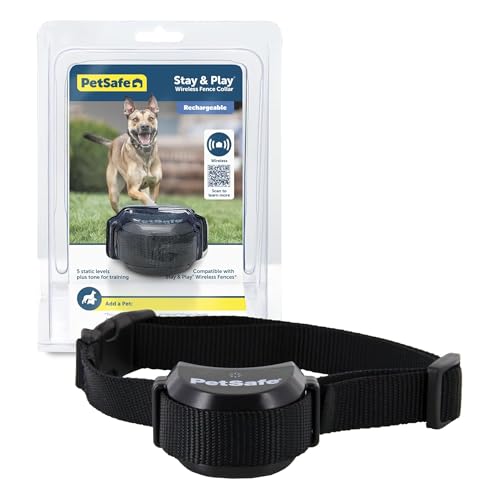
While you need very little to teach stay, quality tools can accelerate learning. A well‑fitting flat collar or front‑clip harness and a standard 6‑foot leash provide control. Many trainers recommend a clicker for precise timing. For dogs who struggle with impulse control, a properly fitted muzzle is not for stay training but for safety if your dog has a history of reactivity – always seek professional guidance. The best investment is a bag of irresistible training treats.
Troubleshooting: What If Your Dog Won't Stay?
| Problem | Likely Cause | Solution |
|---|---|---|
| Dog breaks stay immediately | Expectation too long / too much distance | Go back to 1‑second stays, reward heavily, then gradually increase. |
| Dog stands up or lies down | Unclear position expectation | Reinforce "sit stay" separately from "down stay". Use a consistent hand signal. |
| Only stays when you have treats | Treat dependency / not enough variable reward | Intermittently reward with praise + play, then treat after multiple successful stays. |
| Dog follows when you step away | Lack of distance training foundation | Start with leaning back, then one small shuffle, and reward before they move. |
| Anxious or stressed during stay | Too many distractions or long duration | Lower criteria significantly; build positive associations. Consider calming protocols if chronic anxiety. |
Frequently Asked Questions About Teaching Stay
🐕 Ready to transform your dog’s impulse control? Consistency and positive reinforcement are your best tools. Revisit these steps, celebrate small wins, and remember that every dog learns at their own pace. For more advanced obedience, explore our complete dog training library and discover fun tricks to build on your stay foundation.