Dog Pheromone Diffusers: A Complete Calming Guide
Learn how pheromone diffusers work, when to use them, and how to choose the right calming solution for your anxious dog.
If you share your life with an anxious dog, you know how heartbreaking it is to watch them struggle. Whether it's trembling during thunderstorms, pacing when you leave the house, or hiding from visitors, anxiety affects millions of dogs worldwide. While medication and training are important tools, many pet parents are turning to dog pheromone diffusers as a gentle, drug-free way to help their dogs feel safe and secure.
Pheromone diffusers have become one of the most popular calming products for dogs — and for good reason. They mimic the natural chemical signals mother dogs use to comfort their puppies, providing a sense of safety that can reduce anxiety without sedation. This guide explains everything you need to know about how they work, when to use them, and how to get the best results.
What Are Dog Pheromones?
Pheromones are chemical substances that animals release to communicate with others of the same species. Unlike hormones, which work inside the body, pheromones are released into the environment and detected by other animals through their vomeronasal organ — a specialized scent organ located in the roof of the mouth.
Dogs produce several types of pheromones, but the one most relevant to calming products is the Dog Appeasing Pheromone (DAP). This pheromone is naturally secreted by nursing mother dogs from the sebaceous glands between their mammary glands. It signals to puppies that they are safe, secure, and protected.
Key Fact: The calming effect of DAP doesn't disappear as dogs age. Even adult and senior dogs respond to synthetic versions of this pheromone, which is why pheromone diffusers work for dogs of all ages.
Researchers have isolated and reproduced this pheromone in laboratory settings, creating synthetic versions that are used in diffusers, sprays, collars, and wipes. These products allow you to provide a consistent "safety signal" in your dog's environment — especially helpful during stressful situations.
Pheromones vs. Sedatives
Unlike sedatives or anti-anxiety medications, pheromones do not suppress the nervous system. They don't make your dog drowsy or alter their personality. Instead, they work with your dog's natural biology to reduce the perception of threat. This makes them an excellent first-line option for mild to moderate anxiety, or as a complement to behavior modification techniques for more serious cases.
How Pheromone Diffusers Work
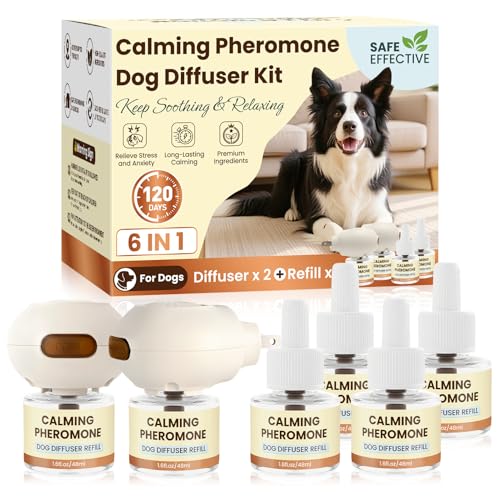
A pheromone diffuser is an electric device that plugs into a standard wall outlet. Inside the diffuser is a reservoir of liquid containing synthetic dog appeasing pheromone. When heated, the liquid evaporates and releases the pheromone into the surrounding air.
The diffuser typically covers an area of 500 to 700 square feet, depending on the brand and model. The pheromone molecules circulate through the room, and your dog inhales them or detects them through their vomeronasal organ. The result is a subtle but consistent signal that the environment is safe.
Important: Pheromone diffusers do not produce a noticeable scent to humans. If you can smell something, it's likely the carrier liquid or a fragrance additive, not the pheromone itself.
What Happens in Your Dog's Brain
When a dog detects the appeasing pheromone, it activates specific neural pathways associated with calmness and social bonding. Studies using brain imaging have shown that pheromones can reduce activity in the amygdala — the brain's fear center — while promoting activity in regions associated with relaxation and social connection.
This is why pheromone diffusers are particularly effective for anxiety triggered by environmental changes, unfamiliar people, or separation from the owner. They don't train the dog to behave differently, but they lower the emotional threshold so that training and positive experiences can take hold more easily.
When to Use a Pheromone Diffuser
Pheromone diffusers are versatile tools that can help in many situations. They are most effective for anxiety related to specific events or environments, rather than generalized anxiety that has been present for years without any identifiable trigger.
- Separation anxiety: Dogs who panic when left alone often benefit from a diffuser running continuously in the room where they spend their alone time. For more severe cases, combine with toys designed for separation anxiety and gradual desensitization training.
- Thunderstorm and fireworks phobias: Start the diffuser at least 30 minutes before the expected event. For dogs with severe noise phobias, you may also need an anxiety wrap or veterinary-prescribed medication.
- Travel and car rides: While diffusers are not portable, you can use a pheromone spray on your dog's carrier or car seat before travel. For long trips, consider a pheromone collar.
- Vet visits and grooming: Spray a bandana or towel with pheromone spray and place it in your dog's carrier or on the exam table. This can make veterinary visits less stressful for both of you.
- Moving to a new home: Set up diffusers in the new home before your dog arrives. The familiar pheromone signal can ease the transition and reduce stress-related behaviors like marking or hiding.
- Rescue dog adjustment: Newly adopted dogs often feel overwhelmed. A diffuser can help them settle in faster and feel secure in their new environment.
- Multi-dog household introductions: When introducing a new dog to your existing dogs, pheromones can reduce tension and help them adjust to each other more peacefully.
When Diffusers May Not Be Enough: If your dog's anxiety is severe — causing self-injury, destruction, or aggression — pheromone diffusers should be part of a broader treatment plan that includes veterinary consultation, behavior modification, and possibly medication. Consider consulting a veterinary behaviorist for a comprehensive assessment.
Types of Pheromone Products
Pheromone diffusers are just one option in a growing category of calming products. Understanding the differences helps you choose the right format for your situation.
Electric Diffusers
Best for continuous, whole-room coverage. Plug into any standard outlet. Ideal for separation anxiety, general home stress, and multi-dog households. Each refill typically lasts 30 days. Available in entry-level, mid-range, and premium tiers with varying coverage areas and refill longevity.
Sprays
Best for targeted, temporary use. Spray on bedding, crates, car seats, or bandanas. Effects last 2-4 hours. Ideal for travel, vet visits, and unfamiliar environments. More portable than diffusers but require reapplication.
Collars
Best for continuous, wearable calming support. Release pheromones close to the dog's face. Effective for travel, outdoor events, and dogs who need constant support. Lasts 30-60 days depending on the brand. Adjustable for neck sizes.
Wipes
Best for quick, targeted application. Wipe on your hands before petting your dog, or apply to bedding and crates. Useful for travel and grooming. Less concentrated than sprays, so better for mild anxiety.
Refill Considerations
When choosing a diffuser, consider the cost and availability of refills. Some premium brands use proprietary refills that are only available from the manufacturer, while mid-range options often use universal refills available at pet stores. Always check compatibility before purchasing.
Coverage Area
Entry-level diffusers typically cover 300-500 square feet. Mid-range models cover 500-700 square feet. Premium diffusers may cover up to 1,000 square feet or more. For open-plan homes, you may need multiple diffusers.
Choosing the Right Pheromone Diffuser
Not all pheromone diffusers are created equal. Here's what to look for when making your selection:
- Species-specific formulation: Ensure the product is specifically formulated for dogs. Cat pheromones are different and will not work for dogs. Some products claim to work for both, but species-specific formulas are more effective.
- Clinical backing: Look for products that reference clinical studies or veterinary research. Brands that have been evaluated in peer-reviewed studies are more likely to be effective. The most well-known brand in this space is Adaptil, which has decades of research behind it.
- Coverage area: Match the diffuser's coverage area to the size of the room where your dog spends most of their time. If the room is larger than the coverage area, consider two diffusers or a higher-tier model.
- Refill longevity: Most refills last 30 days when used continuously. Some premium brands last 45-60 days. Consider the ongoing cost of refills when comparing options.
- Safety features: Look for diffusers with automatic shut-off, cool-to-touch surfaces, and no exposed heating elements. Some models have indicator lights to show when the refill needs changing.
- No added fragrances: Avoid diffusers that add artificial fragrances or essential oils. These can irritate your dog's respiratory system and may be toxic. Pure pheromone formulations are safest.
- Ease of use: Consider how easy it is to change refills, clean the device, and adjust the intensity (if available). Some premium models offer adjustable output levels.
Pro Tip: Start with a mid-range diffuser from a reputable brand. Entry-level models may have inconsistent output or shorter refill life. Luxury models often add features you don't need. Mid-tier options typically offer the best balance of reliability and value.
How to Use a Pheromone Diffuser Correctly
Proper usage is essential for getting the best results from your pheromone diffuser. Follow these guidelines:
- Placement matters: Plug the diffuser into an outlet in the room where your dog spends the most time. Avoid placing it behind furniture, curtains, or in corners where air circulation is poor. Keep it at least 12 inches away from walls and furniture.
- Continuous use: Pheromone diffusers work best when used continuously, 24/7. Turning it on only during stressful events may not provide the consistent signal your dog needs to feel secure.
- Allow time to work: Some dogs respond within hours, but most need 2-4 weeks of consistent use to show noticeable improvement. Don't give up too early.
- Replace refills on time: When the refill is empty, the diffuser stops working. Mark your calendar or set a reminder to replace the refill every 30 days (or as directed).
- Clean the diffuser: Wipe the diffuser with a dry cloth weekly to prevent dust buildup. Never immerse the electrical components in water.
- Use in combination with training: Pheromone diffusers are not a substitute for training. They lower anxiety so your dog can learn more effectively. Pair with training classes or at-home behavior modification for best results.
- Ventilation: In small, closed rooms, ensure some ventilation to prevent the pheromone concentration from becoming too high. Most diffusers are designed for normal home environments, but good air exchange is always beneficial.
Setting Up for Success
If you're bringing home a new dog or puppy, set up the diffuser at least 24 hours before your dog arrives. This allows the pheromone to circulate and create a calming environment from the moment they enter. For puppies, pheromone diffusers can ease the transition from their mother and littermates — a major source of stress in early life.
For dogs with separation anxiety, place the diffuser in the room where your dog stays when alone. If your dog has free roam of the house, consider multiple diffusers or a higher-coverage model. Combine with a dog camera to monitor your dog's behavior and see if the diffuser is helping.
Combining with Other Calming Methods
Pheromone diffusers work best as part of a multi-modal approach to anxiety management. Here's how to combine them effectively:
Behavioral Training
Counter-conditioning and desensitization are the gold standard for anxiety treatment. Pheromones lower your dog's baseline anxiety, making it easier for them to learn new associations. For example, if your dog is afraid of thunder, use a diffuser during training sessions where you play thunder sounds at low volume while giving treats.
Anxiety Wraps
Anxiety wraps like Thundershirts apply gentle pressure that has a calming effect similar to swaddling a baby. Combining an anxiety wrap with a pheromone diffuser can be more effective than either alone, especially for noise phobias.
Calming Treats and Supplements
Calming treats containing ingredients like L-theanine, chamomile, or valerian root can complement pheromone therapy. These work through different pathways, so combining them can address anxiety from multiple angles.
Environmental Management
Create a safe space for your dog with a comfortable dog bed in a quiet corner. Use puzzle toys and mental stimulation to redirect anxious energy. Close curtains during thunderstorms and play white noise to mask triggering sounds.
Veterinary Support
For moderate to severe anxiety, consult your veterinarian about prescription medications. Pheromone diffusers can be used alongside medications like fluoxetine or trazodone, often allowing for lower medication doses.
Professional Training
If your dog's anxiety is severe or accompanied by aggression, work with a professional trainer or veterinary behaviorist. They can develop a customized plan that includes pheromone therapy.
Safety and Precautions
Pheromone diffusers are generally considered safe for dogs, but there are important precautions to keep in mind:
- Species-specific: Dog pheromones are safe for dogs but may not be effective for cats. Do not use dog pheromone products on cats, and vice versa.
- Respiratory conditions: If your dog has asthma or other respiratory conditions, consult your vet before using a diffuser. The carrier liquid may irritate sensitive airways in rare cases.
- Electrical safety: Never immerse the diffuser in water. Unplug before cleaning. Keep cords away from chewing puppies. Replace the device if it becomes damaged.
- Essential oils: Avoid diffusers that contain essential oils like tea tree, eucalyptus, or citrus. These can be toxic to dogs if inhaled or ingested. Use only pure pheromone formulations.
- Overheating: If the diffuser becomes hot to the touch or emits a burning smell, unplug it immediately and contact the manufacturer. This is rare but can happen with low-quality devices.
- Not a cure-all: Pheromone diffusers are a tool, not a magic solution. They work best for mild to moderate anxiety and as part of a comprehensive approach. Severe anxiety requires professional intervention.
Did You Know? Pheromone diffusers are used not only in homes but also in veterinary clinics, animal shelters, and boarding facilities to reduce stress in dogs during unfamiliar situations. Many dog sitters and boarding facilities use them to help dogs adjust to temporary stays.
Frequently Asked Questions
Final Thoughts
Dog pheromone diffusers offer a gentle, drug-free way to help your anxious dog feel more secure. While they are not a magic cure, they can be a valuable part of a comprehensive anxiety management plan. When combined with patient training, environmental management, and veterinary support, pheromone diffusers can significantly improve your dog's quality of life — and yours.
If you're ready to explore calming products for your dog, start with a mid-range diffuser from a reputable brand. Use it consistently for at least a month, and combine it with the other strategies outlined in this guide. Your dog deserves to feel safe and relaxed — and with the right approach, they can.