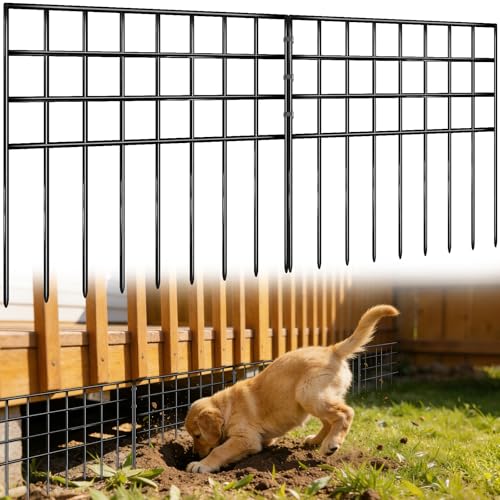
Stop Dog Digging: Proven Solutions That Work
Does your yard look like a minefield? Discover why dogs dig and exactly how to redirect this natural behavior using humane, effective methods.
Digging is one of the most frustrating canine behaviors for pet parents. While it’s a natural instinct, relentless digging can destroy your landscaping, create escape routes, and strain your bond with your dog. The good news: you can stop dog digging without punishment by addressing the root cause. This guide covers every reason behind digging and provides actionable training techniques, environmental changes, and product recommendations to reclaim your yard and keep your dog happy.
Why Do Dogs Dig? Understanding the Instinct
Before you fix the problem, you need to know what’s driving it. Dogs dig for several distinct reasons, and each requires a tailored approach.
🐾 Boredom & Excess Energy
The #1 cause of destructive digging. Dogs left alone in a yard without stimulation will create their own “fun.” A tired dog is a well-behaved dog.
🕵️ Prey Drive
Terriers, dachshunds, and hounds are wired to pursue burrowing animals (moles, voles, gophers). Your dog may be hunting underground critters.
🌡️ Comfort Seeking
On hot days, dogs dig to reach cool soil and create a shady den. In cold weather, they dig to insulate against wind and snow.
🚪 Escape & Anxiety
Dogs with separation anxiety or fear of loud noises may dig under fences to escape. This requires behavior modification, not just physical barriers.
🧬 Breed Predisposition
Some breeds – like terrier dog breeds, Siberian Huskies, and Beagles – are natural earth-movers. Know your dog's heritage.
🥚 Nesting Behavior
Pregnant or pseudo-pregnant females may dig to create a den. Spaying often reduces this urge.
Humane Training: Teach Your Dog Where to Dig (and Where Not To)
Punishing digging after the fact does not work – dogs cannot connect your anger to a hole they dug hours ago. Instead, use positive reinforcement for dogs to shape alternative habits.
Step-by-Step Training Plan
- Create a digging pit: Build a 3x3 foot sandbox or use a kiddie pool filled with sand/soft soil. Bury toys, treats, or bones to attract your dog.
- Supervise and redirect: Whenever your dog starts digging in a forbidden area, calmly interrupt with a “No” or “Uh-uh,” then guide them to the digging pit. Reward enthusiastically when they dig there.
- Increase exercise & mental enrichment: A fatigued dog is less likely to dig out of boredom. Combine daily walks with mental stimulation ideas for dogs such as puzzle toys for dogs and sniffing games.
- Cover old holes: Fill existing holes with rocks or chicken wire just below the surface, then cover with soil. The unpleasant texture deters repeat digging.
- Use remote training (if needed): For persistent diggers, supervise with a long leash. When they start digging, give a gentle leash correction and redirect.
❌ What NOT to do: Never use shouting, hitting, or “alpha rolls.” Punishment increases anxiety and can worsen digging. Avoid filling holes with cayenne pepper – it can harm sensitive paws and eyes.
Environmental & Physical Deterrents
Combine training with barriers to break the habit quickly. Below are the most effective physical solutions.
🏗️ L‑Footer Barrier
Bury galvanized wire mesh 12 inches deep and bent outward (L-shape) along fences. This stops escape digging without harming your dog.
🪨 Large Rocks or Pavers
Place flat stones or heavy pavers in favorite digging spots. Dogs dislike unstable surfaces.
🚧 Commercial Repellents
Pet-safe sprays with bitter or herbal scents (citrus, eucalyptus) can discourage digging when applied consistently.
💨 Motion-Activated Sprinklers
Startles dogs approaching off-limits areas. Humane and highly effective for garden protection.
🛏️ Provide Cooling/Warming Options
If digging for temperature control, supply a raised dog bed in shade or a cooling mat in summer; a heated dog house in winter.
🪴 Remove Burrowing Prey
If your dog is hunting moles/gophers, treat your yard for rodents (non-toxic methods). Eliminating prey often stops the digging.
Breed Matters: Tailoring Your Approach
Some dogs are genetic diggers. If you own a terrier breed, Dachshund, or hound dog breed, you must provide extra outlets. For large dog breeds like Huskies or Malamutes, digging often stems from boredom and high energy – intensive daily exercise is non-negotiable. Meanwhile, small dog breeds may dig to escape predators or find warmth. Knowing your dog’s inherent drives helps you choose the right strategy.
Even if you have a mixed breed, a dog DNA test can reveal hidden digging tendencies. Once you know their makeup, you can offer breed-specific enrichment (e.g., scent work for hounds, earthdog trials for terriers).
When Digging Signals Deeper Issues
If your dog digs obsessively despite adequate exercise and a designated area, consider underlying anxiety or compulsive disorder. Signs include digging indoors, self-injury from digging, or extreme distress when left alone. In these cases, consult a veterinary behaviorist or a certified dog behaviorist. They might recommend calming products for dogs or medication alongside behavior modification.
🚀 Quick-start checklist to stop digging TODAY:
- ✔️ Add 15 more minutes of structured fetch or jogging.
- ✔️ Hide treats in a interactive dog toy before leaving the house.
- ✔️ Fill freshly dug holes with rocks or place a large tile over them.
- ✔️ Supervise outdoor time – don’t leave your dog alone in the yard until the habit breaks.
- ✔️ Rotate toys weekly to prevent boredom.
Frequently Asked Questions About Digging
Sudden digging often indicates a new trigger: boredom from lack of exercise, anxiety (separation, noise phobias), hunting instinct (rodents underground), temperature regulation (seeking cool soil), or nesting behavior. Check for recent changes in routine, environment, or health.
Combine three strategies: 1) Increase daily exercise and mental stimulation (puzzle toys, training). 2) Create a designated digging pit or sandbox and reward digging there. 3) Use physical deterrents like chicken wire just under the soil surface, large rocks, or commercial repellents. Consistency for 2-3 weeks shows results.
Cayenne pepper and vinegar can act as temporary deterrents because dogs dislike strong smells/tastes. However, they can irritate a dog's nose, eyes, and paws, and rain washes them away. Better to use safe commercial deterrents or address the root cause rather than relying on aversive scents.
Yes. Terriers (bred to hunt burrowing animals), Dachshunds, Siberian Huskies, Beagles, and Border Terriers are notorious diggers. Also many working and sporting breeds dig when under-exercised. Understanding your dog's breed predisposition helps tailor prevention strategies.
A physical barrier like an L-shaped footer (wire buried horizontally), concrete pavers along fence lines, or specialized dig-proof fencing can prevent escape digging. However, digging in the middle of the yard requires behavioral solutions. For persistent diggers, combining a barrier with training and a designated digging area works best.
Stop Dog Digging: Your Next Step
You now understand the “why” and “how” to resolve digging humanely. Start by implementing one or two changes today: increase your dog’s exercise, build a sandbox, or block off favorite holes. With consistency and patience, you will restore your yard and strengthen your relationship with your dog.
Looking for products that help? The section below features highly rated digging deterrents, interactive toys, and training tools verified by dog owners. Each purchase supports our free content at no extra cost to you.