Clicker Training for Dogs: The Science of Positive Reinforcement
Precise, force‑free, and fun – clicker training accelerates learning and deepens your bond. This complete guide walks you through every step, from charging the clicker to advanced shaping.
Clicker training isn’t just a trend; it’s a research‑backed, marker‑based positive reinforcement method used by professional dog trainers, marine mammal trainers, and even zoo animal keepers. Unlike ordinary verbal praise, the clicker’s sharp, consistent sound marks the exact moment your dog does something right. This clarity eliminates guesswork, making training faster and more enjoyable for both you and your dog. Whether you have a stubborn stubborn breed or a new puppy, clicker training works wonders.
What Is Clicker Training?
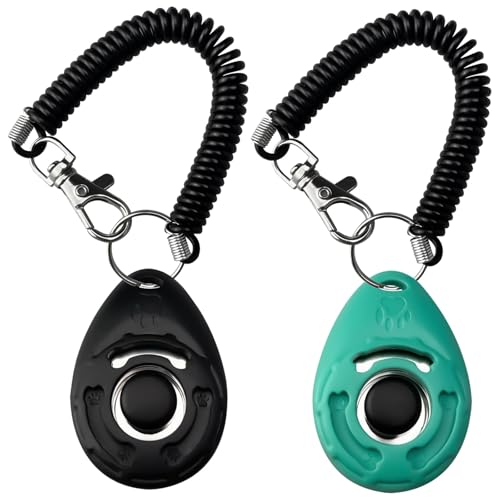
Clicker training is a form of positive reinforcement dog training. You use a small plastic box with a metal tongue (the clicker) that makes a distinct “click” sound. The click acts as a secondary reinforcer – a promise that a reward (usually a tasty treat) is coming. This method relies on operant conditioning: behaviors that are reinforced are more likely to be repeated.
Unlike verbal markers (“good boy!”) which vary in tone and duration, the click is always the same. Dogs learn that click = treat, and they actively try to earn clicks. This transforms training from a chore into an interactive game.
Why Clicker Training Works: The Science
Research in applied behavior analysis shows that immediate and consistent feedback improves learning speed. A clicker provides precision timing – your dog knows exactly which action earned the reward. This reduces frustration for both species and taps into the brain’s dopamine reward system. Studies confirm that dogs trained with clickers learn new behaviors in fewer repetitions compared to those trained with voice markers alone.
Getting Started: Equipment & Environment
What you need
- A clicker: Box clickers (around $5) or wristband clickers. Avoid cheap noisemakers; consistency matters.
- High‑value treats: Tiny, soft, and irresistible. Think boiled chicken, freeze-dried liver, or cheese. You’ll need about 50–100 tiny treats per session. Check our best dog treats guide for recommendations.
- Treat pouch: For quick access and to keep your hands free.
- Low‑distraction environment: Start in a quiet room, then gradually add distractions.
Optional but helpful: a target stick (for shaping) and other training equipment. The initial investment is low – clickers typically cost $5–$15, treat pouches $10–$20.
Step‑by‑Step Clicker Training Protocol
Phase 1: Charging the Clicker
Before using the clicker for commands, you need to teach your dog that “click” means “reward is coming.”
- Have 10–15 small treats ready. Click once, then immediately give a treat. Do not ask for any behavior yet.
- Repeat 10–20 times in a row. Your dog will begin to look at you expectantly when they hear the click.
- Test: wait for your dog to look away, then click. If they turn toward you expecting a treat, the clicker is charged. Usually takes 2–3 short sessions.
Phase 2: Capturing a Behavior
Start with a naturally occurring behavior, like sitting. Have treats ready, click the moment your dog’s rear touches the floor, then treat. Repeat over several sessions. Soon your dog will “offer” sits to earn clicks.
Phase 3: Adding a Cue
Once your dog offers the behavior reliably, introduce a verbal cue (e.g., “sit”) right before they perform it. Click and reward. Practice until they respond to the cue alone.
Teaching Basic Commands with the Clicker
| Command | Clicker Approach | Pro Tip |
|---|---|---|
| Sit | Capture natural sit or lure nose up with treat; click when rear drops. | Don't push dog’s bottom – let them figure it out. |
| Down | From sit, lure treat to floor between front paws; click the moment elbows touch ground. | Use a hand signal first, then add verbal cue. |
| Come/Recall | In low distraction, click when dog moves toward you; reward heavily. | Never call for something unpleasant; always reward. |
| Stay | Build duration gradually: click for 1 second, then 2 seconds, etc. | Release word (“okay”) after click. |
| Loose‑leash walking | Click when leash is slack and dog is beside you. | Practice indoors first, then outdoors. |
Shaping & Capturing Complex Behaviors
Shaping is a powerful technique where you break a final behavior into small steps and reinforce successive approximations. For example, to teach “ring a bell,” you might click first for looking at the bell, then for touching it, then for making a sound. This is where clicker training truly shines – you can teach tricks like closing a door, fetching specific items, or even therapy dog skills. Use a target stick to make shaping easier.
For mental enrichment, combine clicker training with puzzle toys and interactive dog toys. This keeps your dog’s brain engaged and reduces boredom‑related behaviors.
Common Clicker Training Mistakes (And Fixes)
- Clicking too late or too early: Practice your timing without the dog first. Click when you see the desired movement. If you miss, simply try again – don't click late.
- Not treating after every click: The click is a promise. Never click without giving a reward, or the clicker loses its power.
- Using boring treats: If your dog ignores the click, upgrade treats. Kibble won’t work for hard tasks; use real meat or cheese.
- Long sessions: Keep training sessions short (3–5 minutes). Several short sessions per day beat one long session.
- Adding verbal cue too early: Wait until the dog offers the behavior consistently without a cue. Then add the word before the action.
If you feel stuck, consider reading about other common dog training mistakes and when to hire a professional trainer.
Advanced Clicker Games & Real-Life Applications
Once your dog understands the clicker, you can apply it to almost any behavior: agility, nose work, cooperative care (nail trimming, teeth brushing), and even modifying reactive behavior (in combination with behavior modification techniques). Many agility champions are clicker trained because of the precision it offers. The clicker also works wonders for puppy basic commands and socialisation.
Frequently Asked Questions About Clicker Training
Clicker training is a journey, not a race. The more you practice, the more your dog will anticipate and enjoy learning. Combine it with adequate physical exercise and a solid daily care routine, and you’ll have a well‑balanced, happy companion.