Dog Ear Infections: Complete Care Guide
Recognize symptoms early, understand underlying causes, explore effective treatments, and learn proven prevention strategies to keep your dog's ears healthy.
What Are Dog Ear Infections?
Ear infections (otitis externa) are among the most common reasons dogs visit the vet. They occur when the external ear canal becomes inflamed due to bacteria, yeast, or other microorganisms. If left untreated, infections can spread to the middle and inner ear, causing severe pain, balance issues, and even hearing loss. More than 20% of dogs suffer from some form of ear disease, and certain breeds face chronic challenges.
Understanding ear infections goes beyond a quick fix. The ear canal in dogs is L-shaped (vertical and horizontal), which traps moisture and debris easily. That's why proper ear cleaning technique is essential. Many underlying conditions such as allergies, ear mites, or hormonal imbalances predispose dogs to recurrent infections. This guide will help you break the cycle and restore your dog's comfort.
Causes & Risk Factors
Primary Causes
- Bacteria (Staphylococcus, Pseudomonas): Most common infectious agents, especially in moist environments.
- Yeast (Malassezia pachydermatis): Thrives in waxy, inflamed ears; often secondary to allergies.
- Ear mites (Otodectes cynotis): Highly contagious, causes dark crumbly discharge and intense itching.
- Foreign bodies (grass seeds, foxtails): Physical irritation leading to secondary infection.
Predisposing Factors
- Anatomy: Dogs with long, floppy ears (e.g., Cocker Spaniels, Basset Hounds) have poor air circulation.
- Allergies: Atopy or food allergies cause chronic inflammation – up to 50% of chronic ear infections link to skin allergies.
- Moisture: Swimming, frequent bathing, or humid climates create ideal bacterial/yeast growth.
- Hair growth inside ear canal: Breeds like Poodles & Schnauzers retain debris and moisture.
🔍 Did you know? Dogs with hypothyroidism or autoimmune disorders have weakened immune responses, making them twice as likely to develop chronic ear infections. A full veterinary workup can reveal these hidden triggers.
Signs & Symptoms (Watch for These)
Dogs cannot tell us when their ears hurt, but they show clear behavioral and physical signs. Early detection prevents painful progression and costly treatments.
- Head shaking or tilting – The most common early sign; dogs shake to relieve irritation.
- Frequent ear scratching – May cause self-inflicted wounds or aural hematoma (blood-filled ear flap).
- Redness and swelling – Inflamed ear canal visible upon gentle inspection.
- Foul odor – Yeast infections often smell musty or sweet; bacterial infections produce a putrid smell.
- Discharge – Yellow/green (bacterial), dark brown/black (yeast or mites), or bloody.
- Pain reaction – Whining, flinching, or aggression when touching the ear area.
- Scabbing or crusting – Around ear edges from chronic inflammation.
⚠️ Progression sign: If your dog tilts head constantly, loses balance, walks in circles, or exhibits unusual eye movements, the infection may have reached the inner ear — requires immediate veterinary attention.
Types of Ear Infections (Otitis Externa, Media, Interna)
Vets classify ear infections based on location and severity. Knowing these helps understand treatment urgency:
- Otitis externa: Inflammation of the external ear canal – most common and usually treatable with topical medication.
- Otitis media: Infection spreads to the middle ear – often requires systemic antibiotics and thorough cleaning under sedation.
- Otitis interna: Inner ear infection – serious condition causing neurological signs (head tilt, nystagmus, vomiting). Often needs aggressive therapy and may cause permanent damage.
Most dog owners first notice otitis externa, but chronic cases without proper treatment advance to media/interna. That's why routine health checks and early vet intervention are vital.
How Veterinarians Diagnose Ear Infections
Accurate diagnosis requires more than a quick look. A typical veterinary ear exam includes:
- Otoscopic examination: Magnified view of the ear canal and eardrum to detect foreign bodies, growths, or ruptured membranes.
- Cytology (ear swab): Microscopic exam to identify yeast, bacteria, or mites. This determines the right medication (antibiotic vs. antifungal).
- Culture and sensitivity: For chronic or resistant infections – identifies the exact bacteria and effective antibiotics.
- Underlying cause investigation: Allergy testing, blood work for thyroid/endocrine disorders, or food trials for recurrent cases.
Treatment without cytology often leads to relapse or worsening condition. The cost of a vet exam ranges $50–$100, plus cytology ($25–$50). That small investment saves hundreds in repeated treatments.
Medical Treatment Options (What Works)
Veterinarians tailor therapy based on infection type, severity, and underlying causes. Never use human ear drops or Q-tips inside a dog's ear – they can damage the eardrum or push debris deeper.
Common Prescriptions
- Topical ear medications: Antibiotic/antifungal/steroid combinations (e.g., Mometamax, Otomax). Applied daily for 7–14 days.
- Oral antibiotics/antifungals: For severe or middle ear infections; course ranges 3–8 weeks.
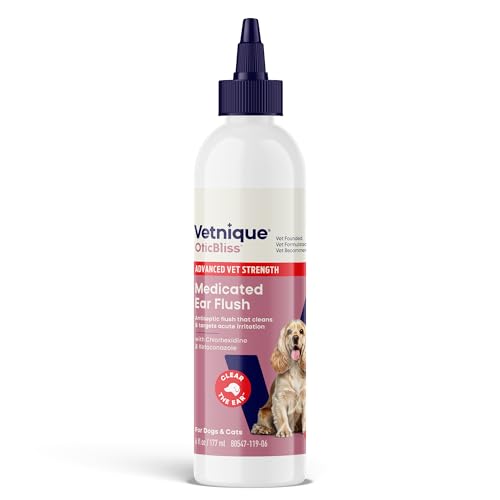
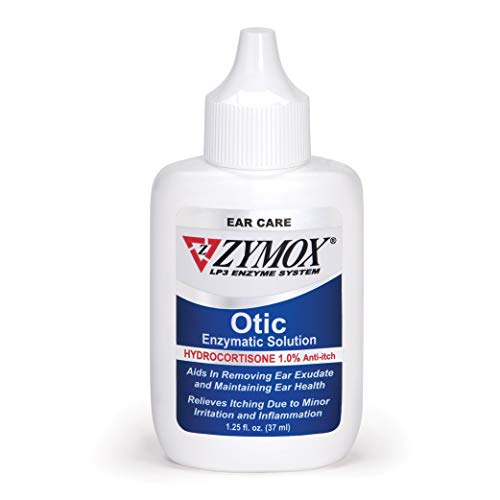
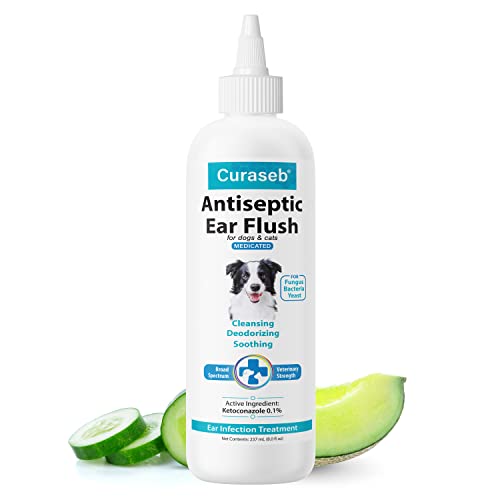
- Ear cleaners (vet-recommended): To remove debris before medication – crucial for efficacy.
- Systemic anti-inflammatories: Reduce pain and swelling.
Cost Estimates
- Vet consultation + cytology: $75–$150
- Topical ear medication: $30–$70
- Oral antibiotics course: $40–$120
- Sedated ear flush (chronic cases): $200–$500
- Surgery (total ear canal ablation) severe cases: $1,500–$3,500
📌 Treatment adherence is key. Even if symptoms improve in 3 days, finish the entire course as prescribed. Stopping early selects resistant bacteria and causes rapid recurrence.
Home Care & Proper Ear Cleaning
Once a vet confirms no eardrum rupture, regular cleaning helps healing and prevents relapse. Use only canine-specific ear cleaners (pH-balanced, drying agents). Follow this safe protocol:
- Fill the ear canal with vet-approved cleaner until it runs out.
- Massage the base of the ear for 30 seconds (you'll hear a squishing sound).
- Allow your dog to shake out the excess liquid.
- Gently wipe the outer ear with gauze or cotton ball – never insert anything into the canal.
- Apply prescribed medication after cleaning (wait 10–15 minutes if using separate cleaner).
For dogs prone to infections, weekly maintenance cleaning is a game changer. Learn step-by-step techniques with our complete ear cleaning guide. Also, keep ears dry after baths and swimming — use drying solutions if needed.
Prevention Strategies: Break the Infection Cycle
Prevention is always cheaper and kinder than treatment. Implement these habits to protect your dog's ear health:
- Routine ear checks: Inspect ears weekly for redness, odor, or discharge. Early intervention stops mild irritation from becoming infection.
- Manage allergies aggressively: Work with your vet to control environmental or food allergies. Allergy management often resolves chronic ear issues.
- Keep ears dry: After swimming or bathing, use drying ear cleaners or a cotton ball to absorb moisture.
- Regular grooming: For hairy ear canals, ask your groomer or vet to pluck excess hair (only if necessary, to improve airflow).
- Parasite control: Monthly flea/tick and ear mite preventatives reduce one major cause.
- Diet and supplements: Omega-3 fatty acids support skin health and reduce inflammation. Consult before adding supplements.
🐾 Breed-specific note: If you own Cocker Spaniels, Labrador Retrievers, or other predisposed breeds, consider veterinary ear cleaning every 1–2 months as preventative care. Many pet owners combine this with routine grooming visits.
When to See a Veterinarian Immediately
While mild redness may be watched for 24 hours, certain signs demand urgent vet attention:
- Sudden head tilt, loss of balance, or circling – inner ear infection or neurological involvement.
- Swollen, closed ear canal with extreme pain (crying when touched).
- Bloody or thick pus discharge; the eardrum may be ruptured.
- Lethargy, fever, or appetite loss – systemic infection possible.
- No improvement after 3 days of home cleaning or prescribed treatment.
Delaying veterinary care for severe infections can lead to permanent hearing loss or the need for surgery. Always err on the side of caution. The dog health library offers more resources about related conditions.
Frequently Asked Questions
🐕 Your dog relies on you to detect discomfort early. By understanding ear infection signs, causes, and treatments, you'll provide faster relief and prevent chronic suffering. Combine regular ear checks, proper cleaning, and a strong relationship with your veterinarian. For more tailored advice, explore our extensive dog care resources and health guides.