Complete Dog Summer Care Guide
Protect your furry friend from heatstroke, burned paws, and dehydration. Essential tips for safe summer fun.
Why Summer Heat Poses Serious Risks to Dogs
Unlike humans, dogs do not sweat efficiently. They cool down primarily by panting and through their paw pads. When temperatures soar, this natural cooling system can fail, leading to heat exhaustion or deadly heatstroke. Every summer, thousands of dogs suffer needlessly from overheating, burned paw pads, and dehydration. The good news is that with proper knowledge and preparation, you can enjoy the sunny months safely with your canine companion.
🐾 Did you know? A dog’s normal body temperature ranges from 101°F to 102.5°F. Once it reaches 106°F, organ damage and death can occur within minutes. Brachycephalic (flat-faced) breeds like Bulldogs, Pugs, and Boxers are at even higher risk because their airways are restricted.
Heatstroke in Dogs: Recognize & Act Fast
Heatstroke is a medical emergency. Early recognition saves lives. Common signs include heavy panting that does not stop, glazed eyes, drooling thick saliva, bright red or purple gums, vomiting, diarrhea, weakness, and collapse. If you suspect heatstroke, move your dog to a cool area immediately and apply cool (not cold) water to the body – especially the belly, armpits, and paws. Offer small amounts of cool water. Do not use ice-cold water because it constricts blood vessels and slows cooling. Then rush to a veterinarian.
Heatstroke Risk Factors
- High humidity (over 70% reduces panting efficiency)
- Obesity or underlying heart/lung disease
- Dark-colored coats (absorb more heat)
- Age (puppies & senior dogs regulate temperature poorly)
- Lack of acclimatization – sudden heat wave after cool spring
Keeping Your Dog Hydrated in Summer
Dehydration happens quickly in hot weather. A dog's water needs can double or triple. Always carry a portable water bottle and collapsible bowl on walks or hikes. At home, provide multiple clean water sources and check them frequently. You can also add water to dry kibble or offer ice cubes as treats. Signs of dehydration include dry nose and gums, lethargy, sunken eyes, and loss of skin elasticity (gently pinch the skin at the back of the neck – if it doesn't snap back immediately, your dog needs fluids).
Learn more about general daily water intake requirements and how to encourage picky drinkers to stay hydrated.
Smart Summer Exercise: Timing & Surfaces
Walk your dog during cooler hours – early morning (before 8 AM) or late evening (after 8 PM). Avoid the midday sun (10 AM – 4 PM) when UV rays and pavement temperatures peak. The "five-second test" is essential: place the back of your hand on the asphalt or sidewalk for 5 seconds. If it's too hot for you, it will burn your dog's paws. Grass or dirt trails are cooler alternatives.
Safe Activities
- Indoor fetch or tug-of-war
- Puzzle toys and mental stimulation games
- Swimming in dog-safe pools or lakes
- Short training sessions (5-10 min)
Activities to Avoid
- Jogging or biking midday
- Leaving dogs on hot patios or balconies
- Excessive fetch on hot turf (astroturf gets extremely hot)
Check age and breed-specific exercise guidelines to adjust intensity for your dog's fitness level.
Protect Those Pads: Paw Burn Prevention
Pavement, sand, and metal surfaces can reach 140°F+ on a sunny 85°F day. Burns cause blistering, pain, and infections. Use protective wax balms like Musher's Secret before walks, or invest in dog booties. If your dog refuses boots, walk only on grass or use cooling paw sprays. Always inspect paws after outdoor time – check for redness, missing pads, or blisters.
Never Leave a Dog in a Parked Car – Even for "Just a Minute"
If you see a dog locked in a hot car, note the license plate and ask nearby businesses to page the owner. If the dog shows signs of distress, call local animal control or 911. Many states have "Good Samaritan" laws protecting you if you break a window to rescue a suffering animal.
Summer Grooming: Do's and Don'ts
Contrary to popular belief, never shave a double-coated dog (Huskies, Golden Retrievers, German Shepherds). Their coat insulates against both heat and cold. Shaving ruins the natural cooling system and increases risk of sunburn and skin cancer. Instead, brush frequently to remove loose undercoat, which improves airflow. For single-coated breeds, a professional summer clip (keeping at least 1 inch of fur) is fine. Always provide shade and limit sun exposure for light-skinned dogs.
- Brush daily to reduce shedding and matting
- Use dog-safe sunscreen on nose, ears, and belly
- Bathe as needed but avoid over-bathing – it strips natural oils
See our complete dog grooming guide for seasonal coat management techniques.
Summer Parasites: Fleas, Ticks & Heartworm
Summer is peak season for fleas, ticks, and mosquitoes (carriers of heartworm). Preventive care is non-negotiable. Use veterinarian-recommended topical or oral preventives year-round, but summer requires extra vigilance. After every hike or grassy walk, check your dog for ticks – pay attention to ears, armpits, groin, and between toes. Remove ticks promptly with tweezers or a tick remover tool.
| Parasite | Risk in Summer | Prevention Method |
|---|---|---|
| Fleas | High (warmth accelerates reproduction) | Monthly topical/oral + environmental cleaning |
| Ticks | Very High (wooded/grassy areas) | Preventive collars, sprays, daily inspections |
| Heartworm (mosquitoes) | Extreme (mosquito population explodes) | Year-round monthly heartworm medication |
Learn more about effective flea treatments and year-round heartworm prevention strategies.
Breed-Specific Summer Needs
Not all dogs tolerate heat equally. Brachycephalic breeds (French Bulldogs, Pugs, Boston Terriers) have the highest risk – keep them in air conditioning as much as possible. Large and giant breeds like Great Danes, Mastiffs are prone to heat exhaustion due to their size and thick coats. Double-coated breeds should never be shaved; use cooling vests instead. Senior dogs (over 7 years) and puppies (under 6 months) have less efficient thermoregulation. For puppy-specific summer safety, reduce outdoor playtime and always provide shade.
If you own a hypoallergenic breed with continuously growing hair (Poodle, Bichon), a short summer haircut can help, but still leave at least half an inch to prevent sunburn.
Top Cooling Products for Dogs
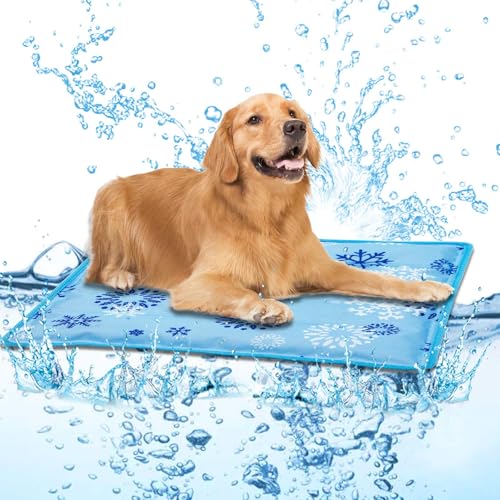
Invest in gear that helps your dog beat the heat: cooling mats (gel-filled or water-activated), cooling vests (evaporative technology), elevated dog beds for airflow, and portable fans. Also consider a doggy pool for backyard splashing, always under supervision. These products are lifesavers during heatwaves.
Frequently Asked Questions About Dog Summer Care
Review this guide before each heatwave and share with fellow dog owners. For product recommendations to keep your pup cool, check our curated list below.