Mastiff Breeds: Complete Owner’s Guide
Majestic, loyal, and surprisingly gentle – discover everything you need to know about Mastiff breeds before bringing a gentle giant into your family. From temperament to health, training to costs.
What Defines a Mastiff?
Mastiffs are ancient giant dog breeds known for their massive size, powerful build, and unwavering loyalty. Originating as war dogs and estate guardians, modern Mastiffs are calm, affectionate family companions. They typically weigh between 120–230+ pounds and stand 27–36 inches tall. Despite their intimidating appearance, well-bred Mastiffs are "gentle giants" that thrive on human companionship. If you're researching large dog breeds and want a devoted protector, Mastiffs deserve serious consideration.
✔️ Exceptionally loyal and protective
✔️ Low to moderate energy – not hyperactive
✔️ Moderate exercise needs (30–60 min/day)
✔️ High drool factor (especially English and Neapolitan)
✔️ Prone to health issues like bloat and joint problems
Popular Mastiff Breeds Compared
🏆 English Mastiff
The classic Mastiff. Huge, powerful, but incredibly gentle with family. Males 160–230 lbs. Average lifespan 6–10 years.
🇮🇹 Neapolitan Mastiff
Loose skin, wrinkly face, massive bone structure. Extremely protective and loyal. 130–170 lbs. Lifespan 7–9 years.
🛡️ Bullmastiff
Bred by gamekeepers to pin poachers. Slightly smaller, more athletic. 100–130 lbs. Lifespan 8–10 years.
🏔️ Tibetan Mastiff
Primitive, independent, and aloof. Thick double coat, cat-like demeanor. 90–150 lbs. Lifespan 10–12 years.
🇫🇷 Dogue de Bordeaux
French Mastiff – stocky, expressive face, known from "Turner & Hooch." 99–150 lbs. Lifespan 5–8 years.
🇪🇸 Spanish Mastiff
Livestock guardian, extremely calm and reserved. 140–200 lbs. Lifespan 10–12 years. Rare in US.
Temperament & Personality
Mastiffs are not aggressive by nature, but they are deeply protective of their family. Early socialization and positive training create a confident, stable adult. They tend to be reserved with strangers – not automatically friendly, but rarely aggressive without reason. Understanding dog behavior is crucial because a poorly socialized Mastiff can become overly suspicious. Inside the home, they are couch potatoes who enjoy lounging with their owners. Children are usually welcomed, but their size requires supervision around toddlers. Compared to herding or sporting breeds, Mastiffs are less demanding in terms of exercise but need consistent leadership.
Health Issues & Lifespan
Mastiffs are unfortunately prone to several hereditary conditions due to their size. Responsible breeders perform health screenings, but you should be prepared for potential veterinary expenses. Common health concerns include:
- Hip and Elbow Dysplasia: Malformed joints cause arthritis. Managing dog arthritis pain is often needed.
- Gastric Dilatation-Volvulus (Bloat): Life-threatening stomach twist. Feed two smaller meals daily and avoid exercise after eating.
- Heart Disease (Dilated Cardiomyopathy): Regular cardiac screening recommended.
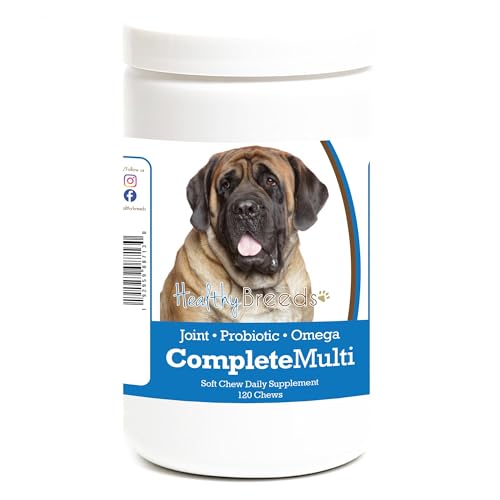
- Joint & Ligament Issues: Cruciate tears, panosteitis. Supporting dog joint health naturally with supplements like glucosamine is wise.
- Cancers (Osteosarcoma, Lymphoma): More common in giant breeds.
Lifespan ranges 6–10 years for most Mastiffs; Tibetan Mastiffs often live longer (10–12). Annual vet checkups, dog weight management, and early detection are vital to maximize longevity.
Daily Care: Exercise, Grooming & Living Space
🏃 Exercise Needs
Despite their bulk, Mastiffs are not high-energy. Two 20–30 minute walks plus some yard time suffice. Avoid intense running or jumping, especially during growth (first 18 months). Dog exercise needs for giant breeds focus on joint preservation.
🧼 Grooming Requirements
Short-haired Mastiffs shed moderately year-round. Brush weekly with a rubber curry. Bathe every 6–8 weeks. Wrinkle care (especially Neapolitan) is essential to prevent infections. Dog nail trimming every 2–3 weeks prevents discomfort.
🏠 Living Space
Mastiffs need indoor living – they are not outdoor dogs. A small apartment can work if they get daily walks, but they need space to stretch. A securely fenced yard is ideal. They also require a large, orthopedic dog bed and an extra-large dog crate (54" or larger).
🌡️ Heat Sensitivity
Mastiffs overheat easily due to their brachycephalic (short-nosed) structure. Provide AC, shade, and avoid midday summer walks. Summer safety tips for dogs are critical.
Training a Mastiff: Start Early
Training a 180-pound dog that decides not to listen is impossible. Use only positive reinforcement for dogs – harsh corrections can lead to fear or defensiveness. Begin puppy classes by 10 weeks. Focus on:
- Teach sit command (essential for greetings and control)
- Teach stay command (safety at doorways)
- Teach come command – recall is vital for giants
- Stop dog jumping – jumping Mastiffs can knock over adults
- Leash manners: use a front-clip harness for better control
Socialize extensively with people, children, dogs, and various environments. Without it, Mastiffs may become overly protective or anxious. Consider dog training resources if you lack experience with guardian breeds.
Nutrition & Feeding Costs
Mastiffs require high-quality large-breed puppy food (controlled calcium/phos) until 18–24 months, then switch to adult large-breed formula. An adult Mastiff eats 4–8 cups of dry food daily, costing $100–$200 per month depending on brand. Avoid overfeeding – obesity exacerbates joint issues. Supplements like glucosamine, chondroitin, and omega-3 fatty acids can be beneficial; consult your vet. Read our complete dog food guide for brand recommendations. Never give toxic foods for dogs like chocolate, grapes, or xylitol.
Total Cost of Mastiff Ownership
| Expense Category | Estimated Annual Cost |
|---|---|
| Food (premium brand) | $1,200–$2,400 |
| Vet care (wellness + vaccines) | $400–$800 |
| Preventatives (flea/tick/heartworm) | $300–$500 |
| Grooming (brushes, shampoo, nail trims) | $150–$300 |
| Training classes | $150–$400 |
| Toys, bedding, bowls, leash/collar | $200–$400 |
| Emergency fund / pet insurance | $500–$1,000+ |
| Total Yearly (excluding initial purchase) | $2,900–$5,800 |
Initial costs include puppy price ($1,500–$5,000), crate, bed, and first vet visit. Pet insurance is highly recommended for Mastiffs due to expensive health conditions. Compare dog insurance options early.
Finding a Responsible Breeder or Rescue
Never buy from pet stores or online ads without verification. Ethical breeders prioritize health testing (hips, elbows, cardiac, thyroid, eyes), provide OFA/PennHIP results, and raise puppies in the home. Check how to find a reputable dog breeder and questions to ask a dog breeder. Expect to be interviewed – good breeders want their puppies in suitable homes. Alternatively, adopt a Mastiff from a breed-specific rescue (e.g., Mastiff Rescue groups). Adoption fees are typically $300–$600. Avoid puppy mill vs reputable breeder red flags such as multiple litters available year-round.
Frequently Asked Questions (FAQ)
This guide has covered breed characteristics, health, costs, training, and responsible sources. A Mastiff is a commitment to a giant, loving soul that needs your time, space, and financial readiness. If you decide this gentle giant fits your lifestyle, scroll down to explore the essential Mastiff care products recommended by our team – from orthopedic beds to heavy-duty leashes and joint supplements.