🐾 Puppy Proofing Home: The Ultimate Safety Guide
Bringing home a new puppy is thrilling — but curious puppies explore with their mouths. Prepare your home to prevent accidents, protect your belongings, and raise a healthy, happy dog.
Every year, thousands of puppies visit emergency rooms because of preventable household accidents. From chewing an electrical cord to swallowing a toxic pill, puppies rely entirely on you to create a safe environment. This complete guide walks you through every corner of your home, identifies hidden dangers, and gives you actionable steps to protect your furry family member.
🐕 Why Puppy Proofing Is Critical
Puppies go through a rapid teething phase (starting around 3–4 months) and naturally explore using their mouths. They cannot distinguish between a chew toy and an expensive shoe, a toxic plant, or a live wire. Puppy-proofing isn’t just about saving your furniture — it’s life-saving. According to veterinary studies, accidental poisoning and foreign body obstructions are among the top five emergencies in puppies under six months. Taking proactive steps reduces vet bills, emotional distress, and creates a stress‑free environment for both of you.
💡 Did you know? A curious puppy can chew through a phone charger cord in under a minute, risking electrical shock. Prevention takes less time than an emergency vet visit. Start proofing before your puppy comes home.
If you are still in the preparation phase, make sure to combine puppy proofing with your puppy supplies checklist. A well-prepared home sets the foundation for a confident, well-adjusted adult dog. Also explore crate training to give your puppy a safe zone when unsupervised.
🏠 Room‑by‑Room Puppy Proofing Checklist
Living Room
- Secure loose electrical cords with cord covers or run them behind furniture.
- Block fireplace with a mesh screen or gate.
- Remove small décor (candles, coins, remote controls).
- Stabilize bookshelves and TVs (prevent tipping).
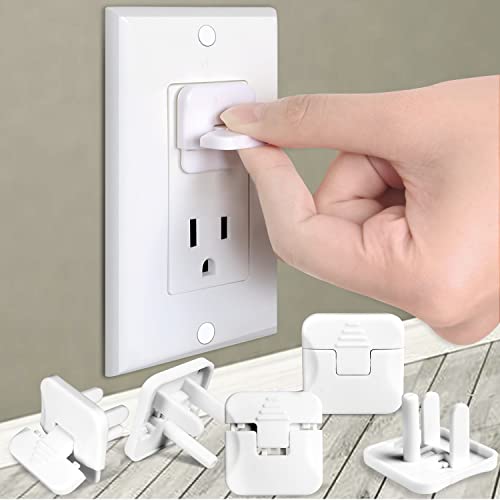
- Use outlet covers for unused sockets.
Kitchen
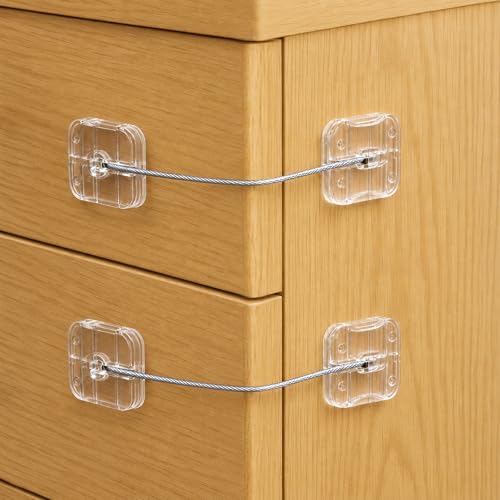
- Install cabinet locks for lower drawers (cleaning products, plastic bags).
- Keep trash can in a locked cabinet or use a heavy step‑can.
- Never leave food on countertops (onions, chocolate, grapes).
- Secure the fridge gap: block underneath with a pool noodle or barrier.
Bathroom
- Keep toilet lids closed (puppies can drown in open toilets).
- Lock medicine cabinets — even a fallen pill can be fatal.
- Store razors, soaps, and cleaning agents high up.
- Cover trash bins with secure lids.
Bedroom & Office
- Tuck away charging cables, headphones, and loose strings.
- Keep laundry baskets off the floor (socks cause blockages).
- Secure blind cords — strangulation hazard.
- Provide a cozy corner with a dog bed and safe toys.
✅ Quick Win Checklist (print & do):
- ✓ Get down on your hands and knees — see the world from puppy level. Remove anything chewable or swallowable.
- ✓ Block stairs with baby/pet gates (pressure-mounted or hardware-mounted).
- ✓ Store shoes, bags, and backpacks in closed closets.
- ✓ Cover heating vents and radiators that get hot.
⚠️ Top 10 Hidden Household Dangers for Puppies
Every year, the ASPCA Animal Poison Control Center receives thousands of calls related to puppies. Below are the most frequent hazards and how to eliminate them.
- Toxic foods: Chocolate, xylitol (gum, candy), raisins, grapes, onions, garlic, macadamia nuts. Always check the full list of toxic foods.
- Human medications: Ibuprofen, acetaminophen, antidepressants — keep in high locked cabinets.
- Houseplants: Sago palm, lilies, aloe vera, tulips, and oleander are poisonous.
- Electrical cords: Cover with cord protectors or apply bitter apple spray.
- Small objects: Batteries, magnets, coins, rubber bands, hair ties, children’s toys.
- Cleaning products: Bleach, detergents, toilet bowl cleaners — secure in locked cabinets.
- Antifreeze / de-icers: Even a tiny amount is lethal; store in garage cabinets with childproof latches.
- Strings and ribbons: Tinsel, thread, yarn – can cause intestinal strangulation.
- Essential oils & diffusers: Tea tree, cinnamon, citrus oils are toxic to dogs.
- Garbage & compost bins: Moldy food, coffee grounds, fruit pits can cause seizures.
🚨 Emergency numbers — Save your vet’s number and the Pet Poison Helpline (855‑764‑7661) on your phone. If you suspect ingestion, call immediately.
🛡️ Essential Safety Equipment (Affordable & Effective)
The right tools make puppy proofing easy. Investing in quality products saves money on vet bills. Below are recommended solutions with average market prices:
Baby/Pet Gates
Block off stairs, kitchens, or unsafe rooms. Pressure-mounted gates ($30–$50) are easy; hardware-mounted gates ($60–$100) are safer for top of stairs. $35–$90
Dog Crate
Wire or plastic crates provide a secure den when you can’t supervise. Essential for potty training and preventing destruction. $45–$150
Compare crate types →
Cord Protectors / Loom Tubing
Split plastic tubing covers electrical cords, stopping chewing accidents. Inexpensive and easy to install. $10–$25 per pack
Cabinet Locks
Magnetic or latch-style locks keep curious noses out of dangerous chemicals. $8–$20 per 4-pack
Chew Toys & Interactive Puzzles
Redirect chewing to safe outlets like KONG, Nylabone, or treat puzzles. Rotate toys to prevent boredom. $8–$30
See best chew toys for puppies.
Outlet Covers & Corner Guards
Prevent electrical shock and protect furniture corners during teething. $5–$15
Combine these with a comfortable dog crate and interactive dog toys to keep your puppy stimulated. A busy, mentally engaged puppy is far less likely to seek out dangerous items.
🌿 Outdoor & Garage Hazards: Don’t Forget the Yard
Many owners focus indoors but overlook the backyard and garage. Puppies love digging, chewing on plants, and exploring corners. Implement these checks:
- Fence inspection: Fill gaps or holes under fences. Ensure gates latch securely.
- Toxic plants: Remove or fence off azalea, rhododendron, sago palm, oleander, and lilies of the valley.
- Garden chemicals: Store fertilizers, pesticides, snail bait, and weed killers in locked cabinets.
- Tools & sharp objects: Rakes, shovels, and saws must be stored out of reach.
- Pools & ponds: Cover or install safety fences; puppies can drown quickly.
- Garage: Antifreeze, motor oil, paint, and windshield washer fluid — keep on high shelves with safety latches.
🐾 Pro tip: Create a designated “puppy potty zone” away from landscaped areas with mulches (cocoa mulch is toxic). Use a playpen or portable fence to limit access until you know the yard is safe.
⏱️ Puppy Proofing Timeline: From Day One to Adulthood
Puppy proofing is not a one-time task. As your puppy grows, their reach, strength, and curiosity evolve. Follow this roadmap:
- Before bringing puppy home: Install gates, crate, cord covers, cabinet locks, and remove toxic plants/objects.
- 8–12 weeks (tiny land shark): Constant supervision. Use puppy pens and block off entire rooms. Watch for chewing baseboards.
- 3–6 months (teething peak): Provide frozen teething toys. Re-check for new hazards like furniture legs. Move items from low shelves.
- 6–12 months (adolescent explorer): They can now reach countertops. Store food and items higher, reinforce gate security, and increase basic command training like “leave it”.
- 12–24 months & beyond: Gradually relax proofing if your dog no longer chews destructively, but always keep toxic items locked away.
For more developmental advice, read the complete puppy guide and learn about critical socialization periods — a well‑socialized puppy is more confident and less likely to develop anxiety‑related destructive behaviors.
🎓 Training That Reinforces a Safe Environment
Equipment alone isn’t enough. Teaching your puppy boundaries and impulse control reduces risk. Integrate these behaviors into daily routines:
- "Leave it" and "Drop it": These commands can save your puppy’s life if they pick up a toxic item. Practice with low-value items first.
- Positive reinforcement for boundaries: Reward your puppy for staying away from off‑limit areas (e.g., kitchen, stairs).
- Crate training: A crate prevents unsupervised mischief. Learn the steps in our crate training guide.
- Redirection: When you catch your puppy chewing a dangerous object, calmly replace with a safe chew toy and praise.
- Potty training & routine: Structured schedules prevent indoor accidents that might lead to ingestion of cleaning agents or toxins.
✅ Remember: punishment after the fact doesn’t work. Use positive reinforcement and management. If you’re struggling, consider hiring a professional trainer.
❓ Frequently Asked Questions About Puppy Proofing
🐶 Ready to bring your puppy home? Puppy proofing may feel overwhelming, but taking it step‑by‑step creates a secure haven. Combine these safety measures with love, patience, and proper training, and you’ll raise a confident adult dog. Bookmark this guide, share it with family, and revisit each stage as your puppy grows.