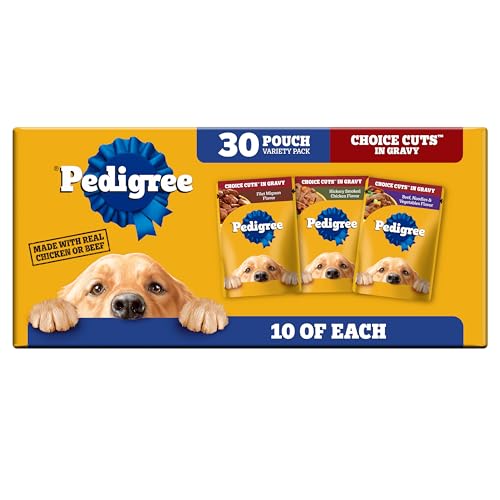
Wet Dog Food: Complete Guide to Benefits & Choosing the Best
Discover why wet dog food can be a game-changer for hydration, picky eaters, and senior dogs. Learn how to read labels, compare brands, and feed with confidence.
📖 What You'll Learn
Wet dog food (also called canned dog food) contains 75–85% moisture, compared to dry kibble's 10–12%. This high moisture content delivers unique advantages, especially for dogs that don't drink enough water, older dogs with reduced thirst drive, or picky eaters who turn their noses up at kibble. But is wet food right for your dog? This guide covers everything from nutritional profiles, cost analysis, feeding amounts, and how to seamlessly integrate it into your dog's daily routine.
🐕 Key Benefits of Wet Dog Food
💧 Superior Hydration
Because wet food is ~80% water, it naturally increases your dog's daily fluid intake. This supports kidney function, prevents urinary stones, and helps dogs with chronic kidney disease or water intake issues. It's especially valuable in hot weather.
🍽️ Unmatched Palatability
Rich aroma and tender texture make wet food irresistible for picky eaters, dogs recovering from illness, or those with reduced sense of smell. It’s also perfect for mixing with medications or supplements.
🦷 Easier Chewing & Digestion
Dogs with dental disease, missing teeth, or oral pain can eat wet food without discomfort. The high moisture and soft texture also aid digestion, benefiting dogs with sensitive stomachs or gastrointestinal conditions.
🥩 Higher Protein, Lower Carbs (Often)
Many premium wet foods contain a higher proportion of animal protein and fewer carbohydrates than dry kibble, aligning with a species-appropriate diet. Ideal for weight management and lean muscle maintenance.
⚠️ Potential Drawbacks to Consider
- Higher cost per calorie: Wet food generally costs 2–3x more than kibble on a caloric basis. Budget-conscious owners often combine it with dry food.
- Shorter shelf life after opening: Once opened, canned food must be refrigerated and used within 2–3 days. Not ideal for free-feeding households.
- Less dental abrasion: Wet food does not scrape plaque from teeth. If you feed primarily wet, increase dental care efforts (brushing, dental chews).
- Messier to serve: Some dogs create more mess, and bowls need thorough cleaning after each meal.
💡 Pro tip: Many pet owners find the sweet spot by mixing high-quality wet food with dry kibble. This balances hydration, cost, dental benefits, and palatability. Read more in our complete dog food guide.
🔍 How to Choose the Best Wet Dog Food
Don't be fooled by fancy packaging. Use these evidence-based criteria to evaluate any wet food:
- Named protein as first ingredient: "Chicken", "beef", "salmon" – not "meat by-products" or "animal digest".
- AAFCO nutritional adequacy statement: Ensure the food is "complete and balanced" for your dog's life stage (puppy, adult, or all life stages).
- No artificial preservatives or colors: Avoid BHA, BHT, ethoxyquin, and artificial dyes.
- Guaranteed analysis: Minimum 8–10% crude protein (dry matter basis should be >30%). Check moisture content; on a dry matter basis, protein should be high.
- Whole-food additions: Vegetables like carrots, peas, or pumpkin provide fiber and micronutrients.
Be cautious with "grain-free" unless medically necessary – recent research links grain-free diets to canine dilated cardiomyopathy (DCM). Always consult your veterinarian before making drastic dietary changes.
⚖️ Wet Dog Food vs. Dry Kibble: Side-by-Side
| Feature | Wet Dog Food | Dry Kibble |
|---|---|---|
| Moisture content | 75–85% | 8–12% |
| Hydration support | Excellent – increases daily water intake | Low – dogs need fresh water separately |
| Dental benefits | Minimal | Moderate abrasive action |
| Palatability | Very high (picky eaters love it) | Moderate (depends on brand/coating) |
| Cost per meal | Higher | Lower |
| Convenience / storage | Refrigerate after opening | Stays fresh in container |
| Best for | Senior dogs, picky eaters, dogs with dental/urinary issues | Budget-minded, teeth-cleaning benefit, convenient free-feeding |
Neither is inherently superior. Many experts recommend a combination: use kibble for cost and dental benefits, supplement with wet food to boost hydration and excitement. Learn more about healthy weight management when mixing food types.
🥣 Feeding Guidelines: How Much Wet Food Per Day?
Feeding amounts depend on your dog's weight, activity level, age, and the specific product's calorie density. As a general starting point:
- Small dogs (5–15 lbs): ½ to 1 can (13 oz) per day, split into 2 meals.
- Medium dogs (20–40 lbs): 1 to 1¾ cans daily.
- Large dogs (50–80 lbs): 2 to 2½ cans daily.
- Giant breeds (90+ lbs): 3+ cans, adjust based on activity.
Always check the label – each brand has distinct calorie content. For mixed feeding (wet + dry), reduce both portions proportionally. For puppies, refer to puppy feeding schedule and use food labeled for growth. Transition slowly over 5–7 days to avoid digestive upset.
🐾 Tip for seniors: Older dogs often benefit from warmed wet food (microwave 10 seconds) to enhance aroma and make it easier to chew. Combine with senior-specific nutrition to support joints and cognitive health.
🐶 Wet Food for Puppies, Seniors & Allergies
🐕 Puppies & Growth
Puppy-specific wet formulas contain higher protein, DHA for brain development, and essential minerals. Great for weaning and small breeds prone to hypoglycemia. Learn about best puppy food options.
👴 Senior & Arthritic Dogs
Soft texture helps dogs with missing teeth or oral pain. Look for added glucosamine, chondroitin, and omega-3s for joint health. High moisture prevents dehydration common in aging dogs.
🤧 Dogs with Allergies
Limited-ingredient wet foods with novel proteins (venison, duck, rabbit) help manage food allergies. Avoid common fillers like corn, soy, and artificial additives.
🏥 Recovery & Illness
Veterinary prescription wet foods are available for kidney disease, diabetes, and gastrointestinal disorders. Always follow your vet's guidance for therapeutic diets.
❓ Frequently Asked Questions About Wet Dog Food
📌 Ready to upgrade your dog's meals? The best wet dog food for your companion balances quality ingredients, life-stage needs, and your budget. Below you'll find our hand-picked selection of top-rated wet foods based on nutritional value, customer reviews, and veterinary input. Each product is independently reviewed, and using our affiliate links helps support DoggyTalks at no extra cost to you.
For deeper insights, explore our related guides: food allergies in dogs, toxic foods to avoid, and raw diet considerations. Remember to always provide fresh water alongside any type of food.