
The Complete Guide to Toy Dog Breeds
Everything you need to know about these charming miniature companions—from choosing the right breed for your lifestyle to understanding their unique care requirements and health considerations.
Toy dog breeds have captured human hearts for centuries with their diminutive size, charming personalities, and portable nature. Weighing under 10 pounds when fully grown, these pint-sized companions offer all the love and personality of larger dogs in a compact package that's perfect for apartment living, travel, and life as a constant companion.
Despite their small stature, toy breeds are far from just fashion accessories. Each breed has a distinct personality, history, and set of characteristics that make it uniquely suited to different lifestyles and owners. From the spunky Chihuahua to the elegant Cavalier King Charles Spaniel, there's a toy breed to match almost any personality and living situation.
What Makes a Toy Breed?
The American Kennel Club (AKC) officially recognizes 21 breeds in the Toy Group, but what exactly qualifies a dog as a "toy" breed? The classification isn't just about size—it's about historical purpose and breeding intention.
Defining Characteristics
- Weight: Generally under 10 pounds when fully grown, though some may weigh up to 12 pounds
- Height: Typically under 12 inches at the shoulder, though some may reach 15 inches
- Historical Purpose: Bred primarily as companions and lap dogs, not for working or hunting
- Lifespan: Generally longer than larger breeds, typically 12-16 years with proper care
- Temperament: Often described as alert, intelligent, and affectionate despite their small size
It's important to note that not all small dogs are toy breeds. For example, the small dog breeds category includes dogs up to 25 pounds, which encompasses several terriers and other small dogs that were bred for working purposes rather than companionship.
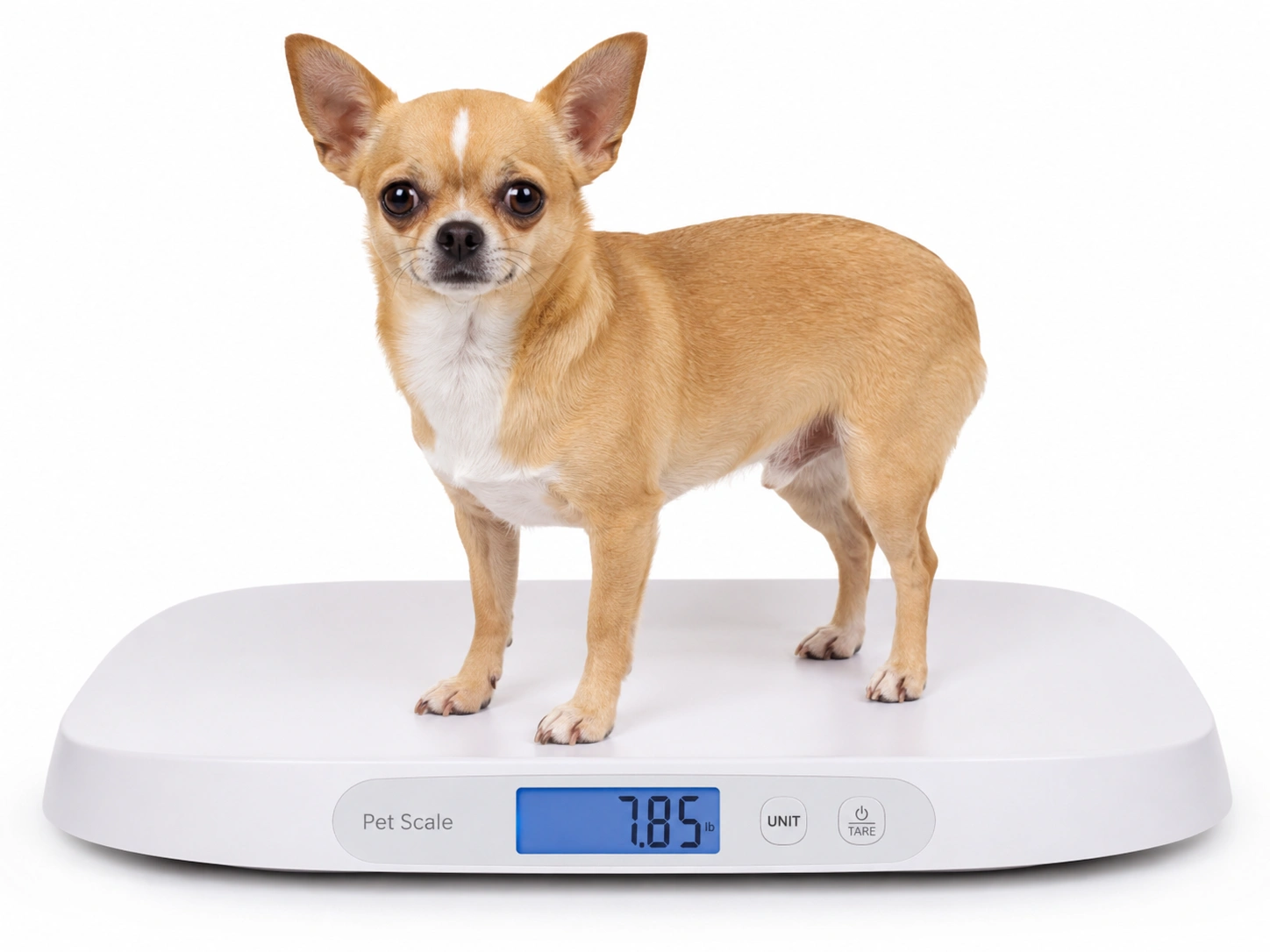
Historical Context: Toy breeds have existed for thousands of years, with evidence of small companion dogs dating back to ancient civilizations in China, Egypt, and Rome. Many were treasured by royalty and aristocracy as status symbols. The Pug, for example, was a favorite of Chinese emperors, while the Maltese was a beloved companion of Roman nobility. Understanding this history helps explain why many toy breeds have such distinctive personalities and strong bonds with their humans.
Popular Toy Dog Breeds
Let's explore some of the most popular toy breeds, examining their unique characteristics, temperaments, and what makes each one special. This information will help you determine which breed might be the best fit for your lifestyle and personality.
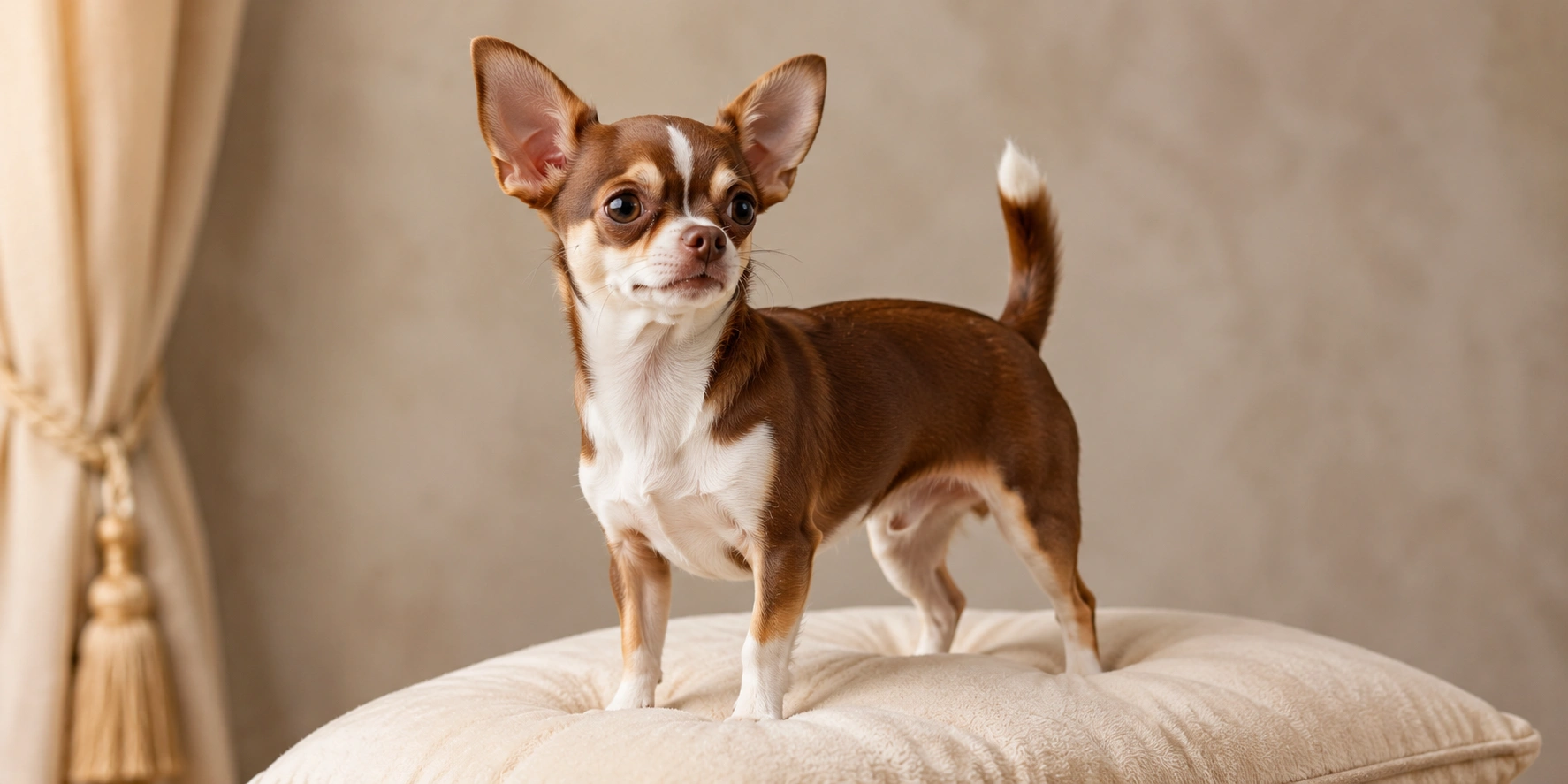
Chihuahua
The Chihuahua is the smallest dog breed in the world, but what they lack in size, they make up for in personality. Known for their saucy expression and terrier-like attitude, Chihuahuas are alert, graceful, and highly intelligent. They form strong bonds with their owners and can be fiercely loyal, sometimes to the point of being overprotective.
Chihuahuas come in two coat varieties—smooth and long—and in a wide range of colors. Despite their delicate appearance, they're sturdy little dogs with a surprisingly bold temperament. They're excellent watchdogs who will alert you to any approaching strangers, though their tendency to bark can be a challenge in apartment settings.
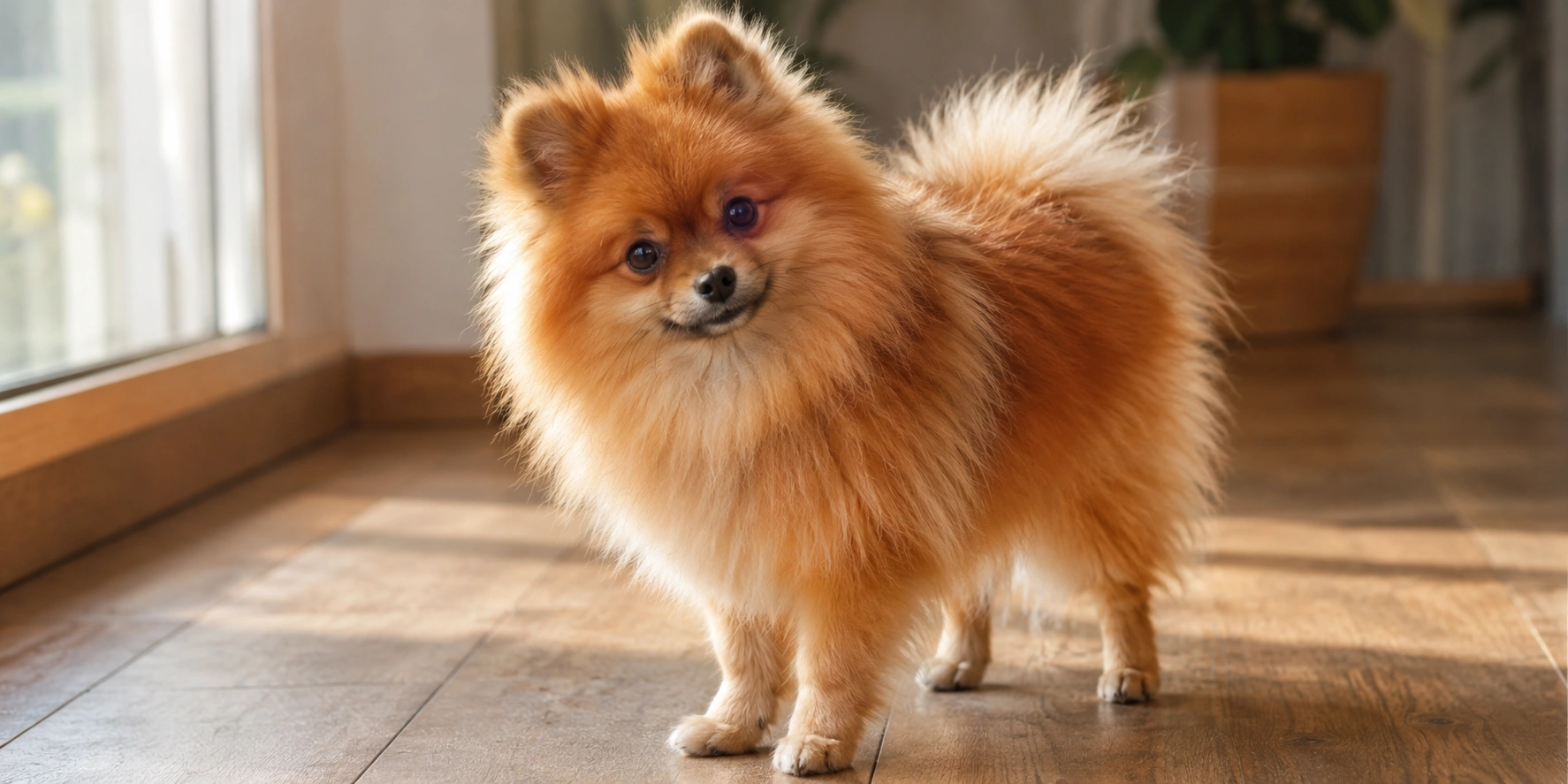
Pomeranian
The Pomeranian is a fluffy, compact little dog with a fox-like expression and a personality that belies their small size. Despite weighing just 3-7 pounds, Pomeranians are extroverted, intelligent, and surprisingly active. Their thick double coat comes in a wide variety of colors and patterns, making each Pomeranian unique in appearance.
Pomeranians are known for their intelligence and can be trained to perform tricks and compete in agility. They're alert and curious, making them excellent watchdogs. However, they can be somewhat independent and may challenge their owners if they sense inconsistency in training. Early socialization is crucial to prevent them from becoming overly suspicious of strangers.
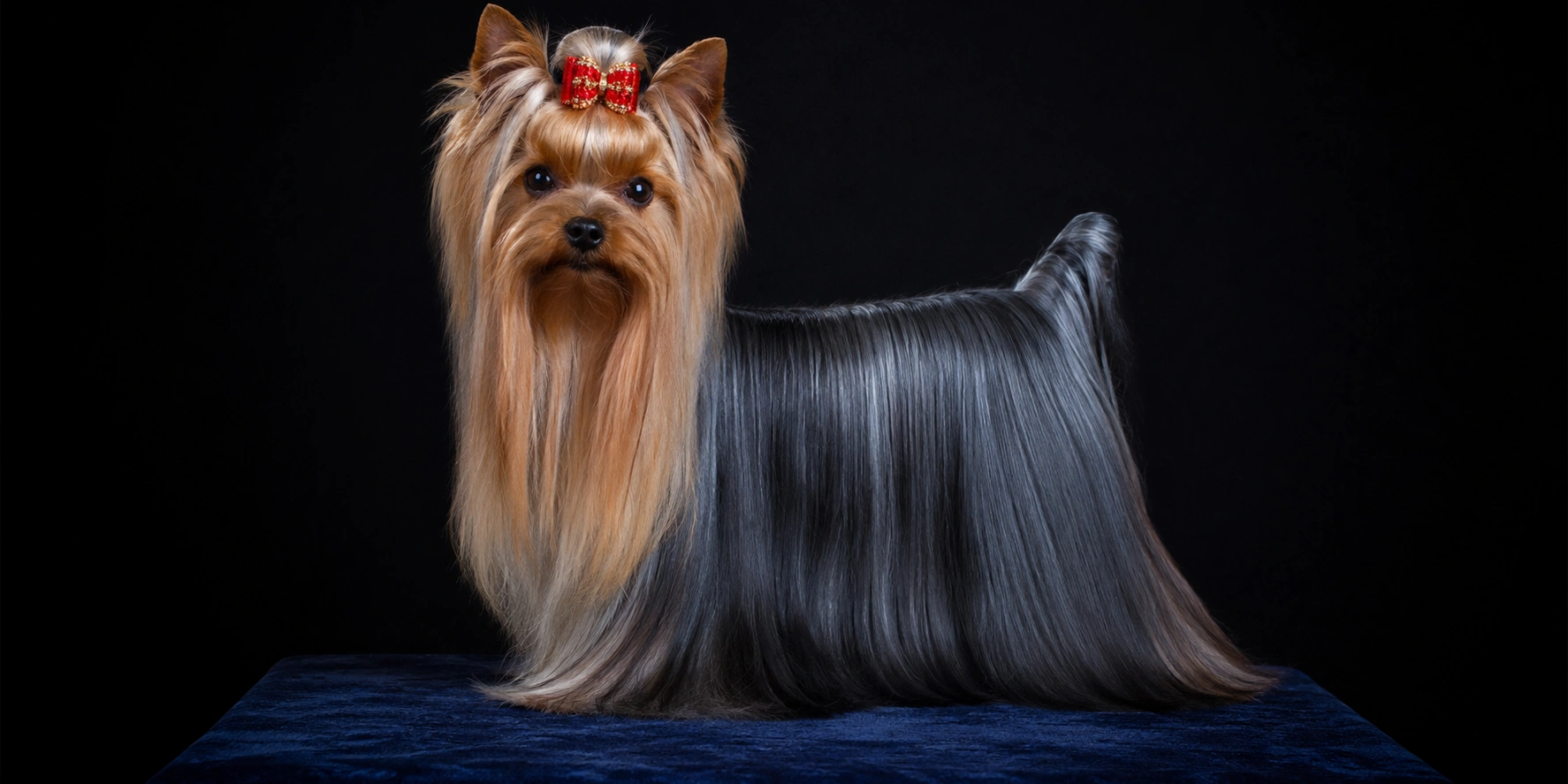
Yorkshire Terrier
The Yorkshire Terrier, affectionately known as the "Yorkie," is a glamorous little dog with a long, silky coat that parts down the middle of the back. Originally bred to catch rats in clothing mills in 19th century England, Yorkies have evolved into beloved companion dogs known for their feisty, tomboyish personality.
Despite their small size (typically under 7 pounds), Yorkies are terriers at heart—spirited, assertive, and investigative. They're intelligent and eager to please, making them relatively easy to train. Their long, flowing coat requires significant grooming commitment if kept in show condition, though many owners opt for a shorter "puppy cut" for easier maintenance. Yorkies are among the most popular dog breeds in the United States.
Maltese
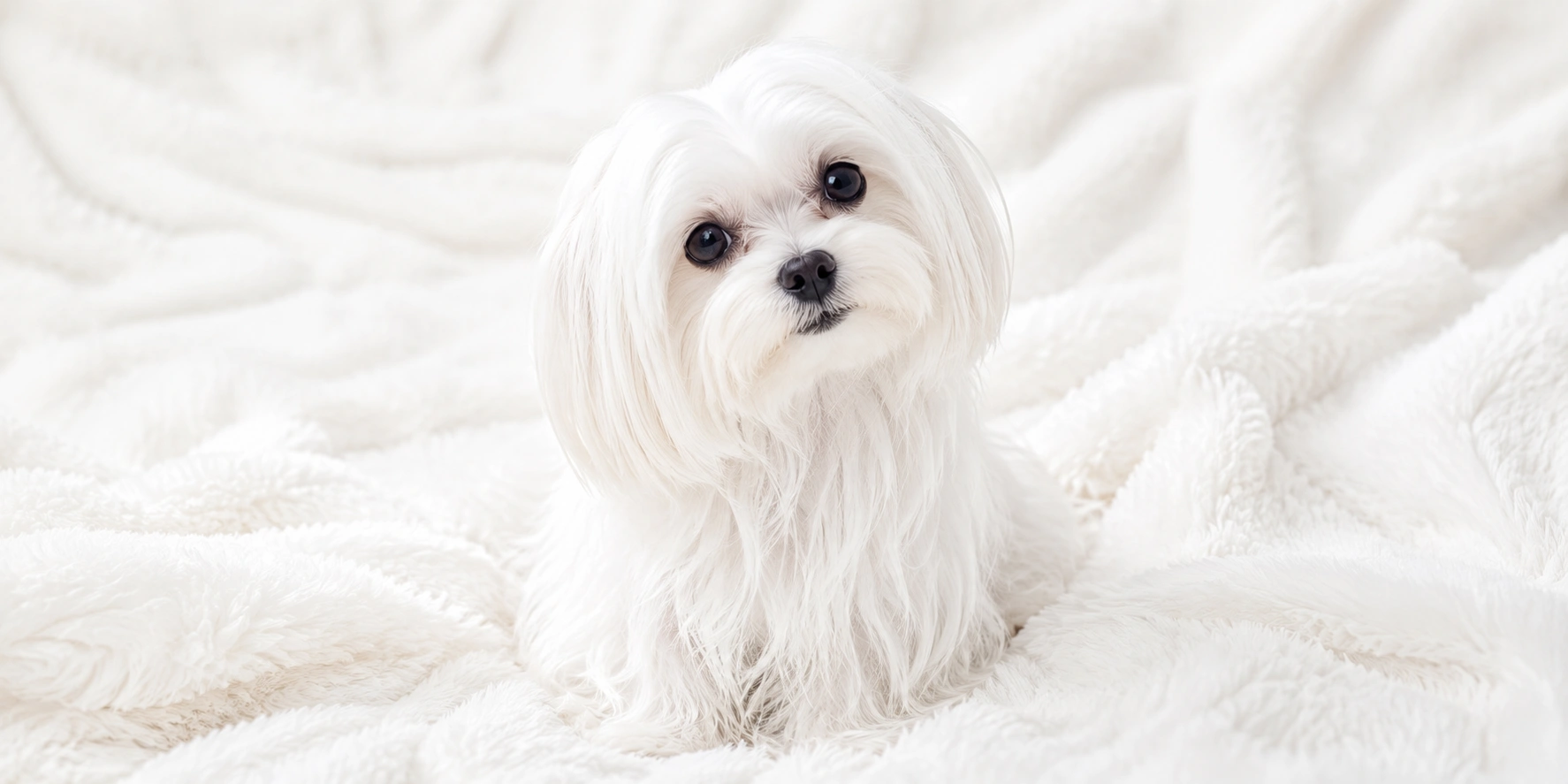
The Maltese is an ancient breed of toy dog that has been a beloved companion for over 2,800 years. Known for their glamorous, floor-length white coat and gentle, affectionate nature, Maltese dogs embody elegance in a compact package. Despite their aristocratic appearance, they're sturdy and playful little dogs.
Maltese are among the hypoallergenic dog breeds due to their hair-like coat that sheds very little. They're gentle, trusting, and responsive to training, making them excellent family pets for households with older, respectful children. Their small size and relatively low exercise requirements make them ideal apartment dogs, though they still enjoy walks and playtime.
Cavalier King Charles Spaniel
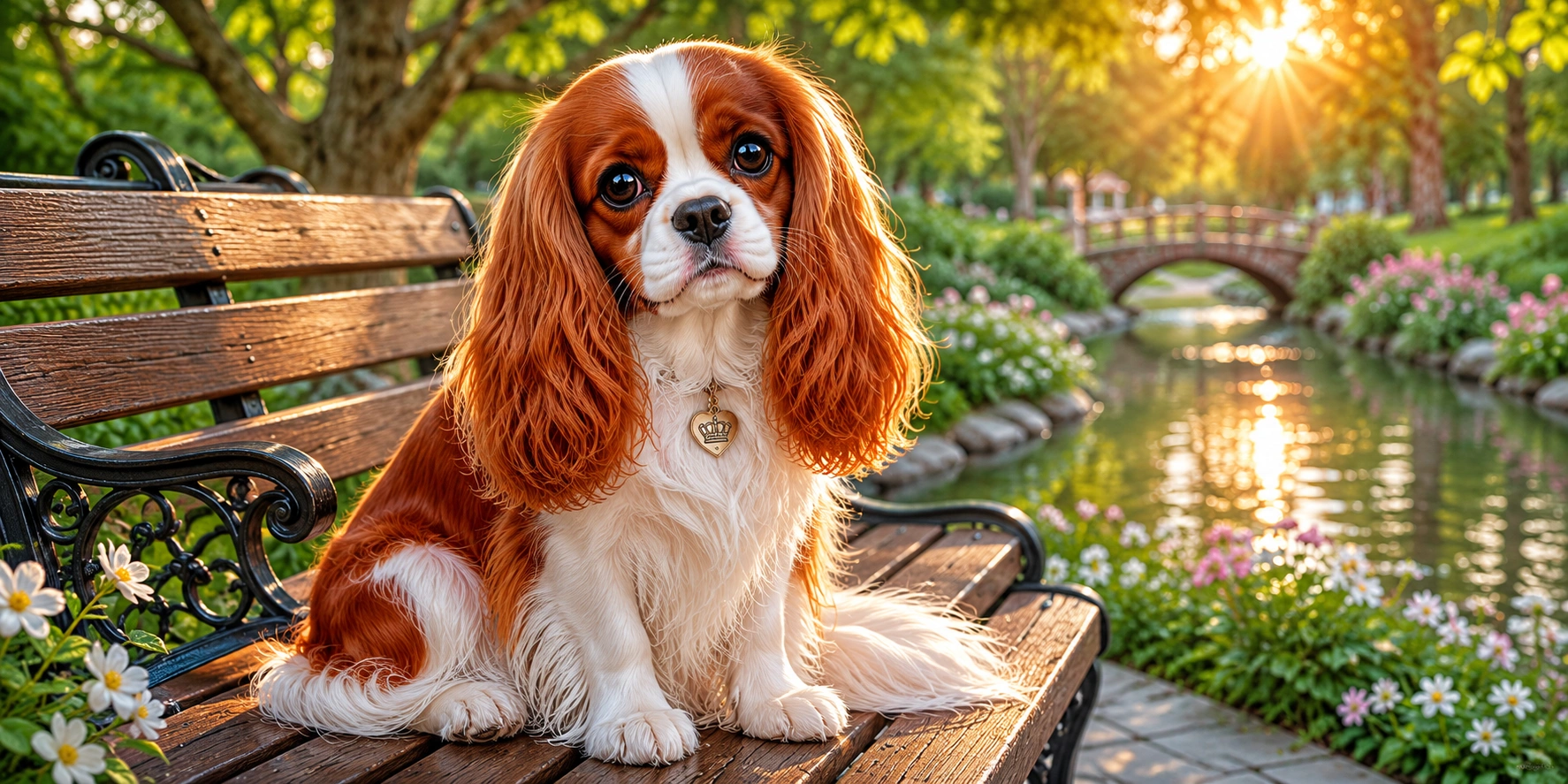
The Cavalier King Charles Spaniel is a toy spaniel with a slightly larger build than many other toy breeds, typically weighing 13-18 pounds. Known for their large, dark eyes and sweet, gentle expression, Cavaliers are the quintessential lap dog—affectionate, gentle, and eager to please.
Unlike some toy breeds that can be high-strung or yappy, Cavaliers have a notably even temperament. They're excellent with children and other pets, making them ideal family dogs. Cavaliers are moderately active and enjoy walks and outdoor activities, but are equally content snuggling on the couch. They're among the most adaptable of the toy breeds, fitting well into various lifestyles.
Pug
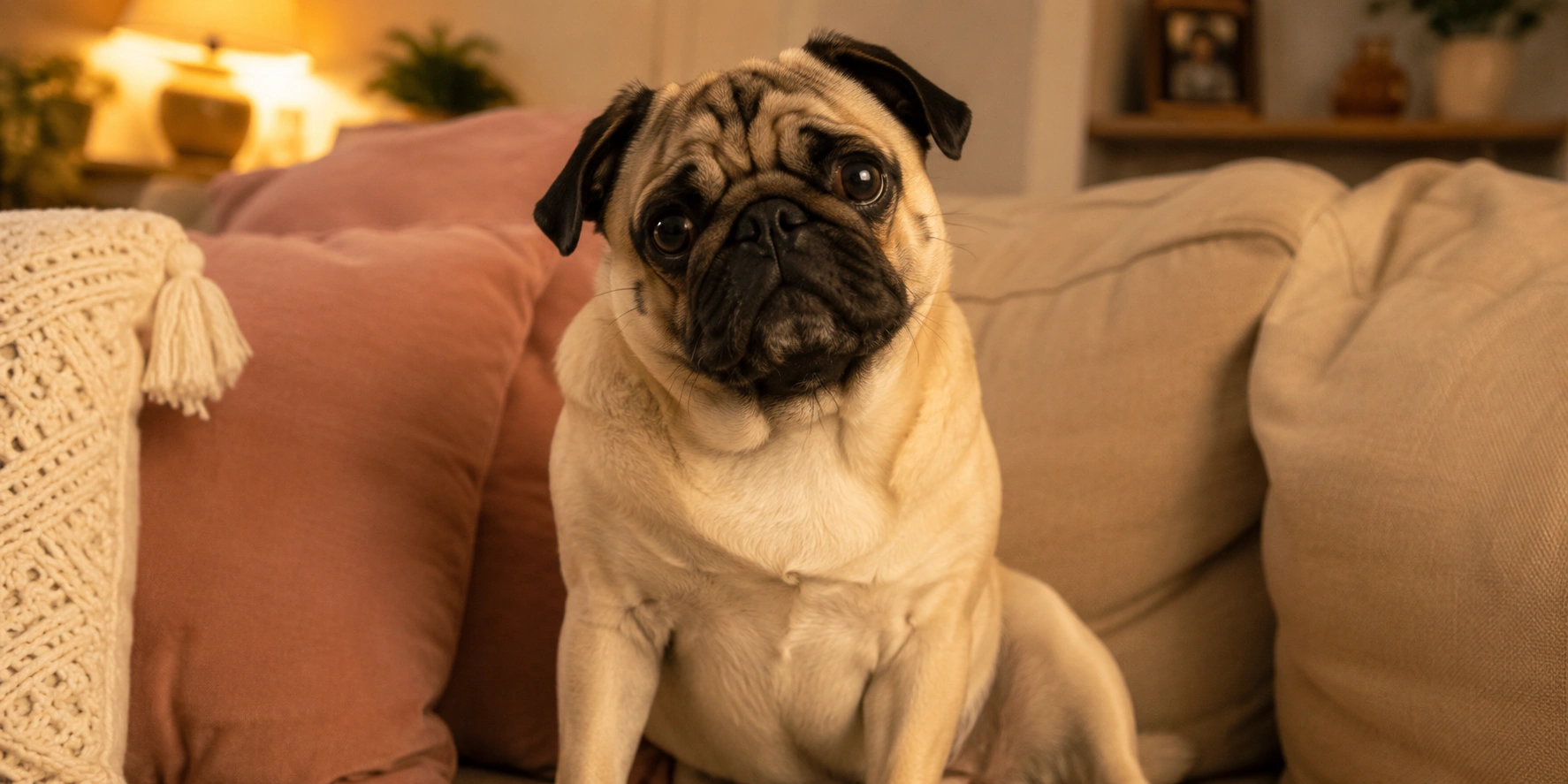
The Pug is a sturdy, compact toy dog known for their wrinkled face, large round eyes, and curled tail. With their charming personality and comical expression, it's easy to see why Pugs have been popular companion dogs for centuries. They're one of the more robust toy breeds, weighing 14-18 pounds.
Pugs are known for their even-tempered, charming, and loving personalities. They're typically good with children and other animals, making them excellent family pets. Unlike some toy breeds, Pugs are generally less vocal and less prone to excessive barking. They do snore and snort due to their flat faces, which is a characteristic of their brachycephalic (flat-faced) structure. Pugs require moderate exercise but are prone to obesity if overfed.
Toy Breed Comparison Chart
The following chart compares key characteristics of popular toy breeds to help you quickly identify which breeds might be the best match for your lifestyle and preferences.
| Breed | Weight | Lifespan | Grooming | Exercise Need | Good with Kids | Barking Tendency |
|---|---|---|---|---|---|---|
| Chihuahua | 3-6 lbs | 14-18 years | Low | Low-Moderate | With supervision | High |
| Pomeranian | 3-7 lbs | 12-16 years | High | Moderate | Older children | High |
| Yorkshire Terrier | 4-7 lbs | 13-16 years | High | Moderate | Older children | Moderate-High |
| Maltese | 4-7 lbs | 12-15 years | High | Low-Moderate | Yes | Moderate |
| Cavalier King Charles | 13-18 lbs | 9-14 years | Moderate | Moderate | Excellent | Low |
| Pug | 14-18 lbs | 13-15 years | Low | Low-Moderate | Excellent | Low |
| Shih Tzu | 9-16 lbs | 10-16 years | High | Low | Yes | Low |
| Toy Poodle | 4-6 lbs | 14-18 years | High | Moderate | Yes | Moderate |
Special Care Considerations
While all dogs require basic care including proper nutrition, exercise, and veterinary attention, toy breeds have some unique needs due to their small size and specific characteristics. Understanding these special considerations is essential for keeping your toy breed healthy and happy.
Nutrition and Feeding
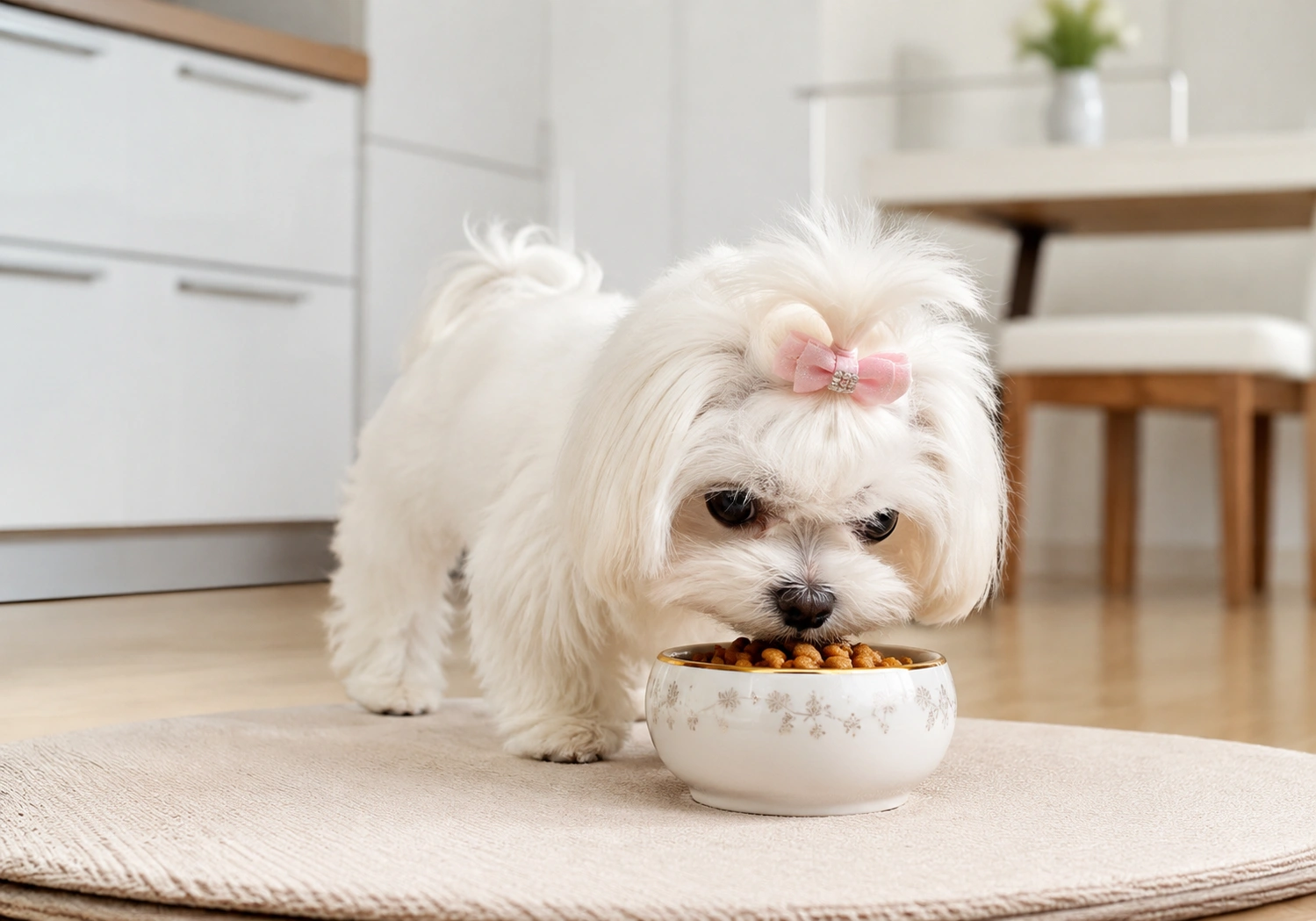
Toy breeds have high metabolic rates compared to larger dogs, meaning they burn through calories more quickly and may need to eat more frequently. However, their small stomachs can only hold small amounts of food at once.
- Frequent small meals: Most adult toy breeds do best with 2-3 small meals per day rather than one large meal. Puppies may need 4-5 meals daily until they're about 6 months old.
- Calorie-dense food: Choose a high-quality dog food formulated for small breeds, which typically has higher calorie density and smaller kibble size to accommodate their tiny mouths.
- Hypoglycemia prevention: Toy breed puppies are prone to hypoglycemia (low blood sugar), which can be life-threatening. Ensure they eat regularly and have access to food if they're very active.
- Weight management: Even one or two extra pounds can significantly impact a toy breed's health. Monitor their weight closely and adjust portions as needed.
Grooming Requirements
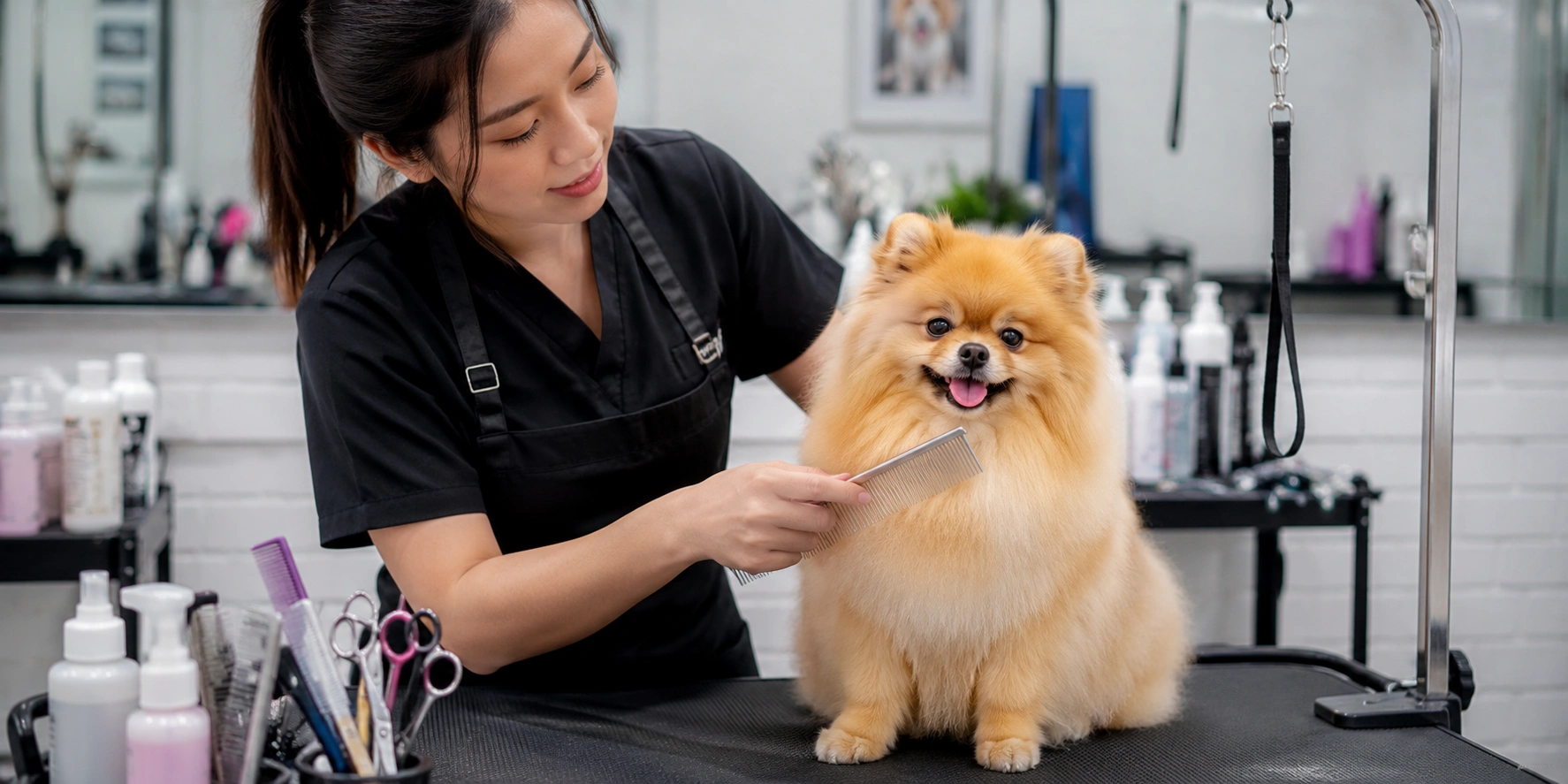
Grooming needs vary dramatically among toy breeds, from the minimal maintenance of a Chihuahua to the extensive coat care of a Yorkshire Terrier or Pomeranian. Understanding your breed's grooming requirements before bringing one home is essential.
- Low-maintenance coats: Breeds like Chihuahuas and Pugs have short coats that require only weekly brushing and occasional bathing. These breeds are ideal for owners who prefer minimal grooming.
- High-maintenance coats: Long-coated breeds like the Yorkshire Terrier, Maltese, and Pomeranian require daily brushing to prevent matting and regular professional grooming every 4-6 weeks. Many owners opt for shorter "puppy cuts" to reduce maintenance.
- Hypoallergenic considerations: If allergies are a concern, consider non-shedding toy breeds like the Poodle, Bichon Frise, or Hairless breeds, which produce less dander and shed minimally.
- Special attention areas: All toy breeds need regular nail trims, dental care, and eye cleaning. Breeds with prominent eyes (like Pugs and Pomeranians) may need daily eye cleaning to prevent staining and infection.
Safety Considerations
The small size of toy breeds makes them more vulnerable to certain hazards that larger dogs might easily withstand. Being aware of these dangers can help you keep your tiny companion safe.
- Fragility: Toy breeds can be seriously injured from falls, being stepped on, or even rough handling. They should not be allowed to jump from high furniture, and care should be taken when walking them around larger dogs or children.
- Temperature sensitivity: Small dogs have a higher surface-area-to-mass ratio, making them more susceptible to both heat and cold. They may need dog clothes in cold weather and should be kept indoors during extreme temperatures.
- Predator vulnerability: Due to their small size, toy breeds can be targeted by hawks, owls, coyotes, and even large dogs. They should never be left outside unsupervised.
- Choking hazards: Small toys, treats, and even pieces of household items can pose choking risks. Choose appropriately sized toys and supervise playtime with small objects.
Common Health Issues in Toy Breeds
While toy breeds generally enjoy longer lifespans than larger dogs, they're predisposed to certain health conditions. Being aware of these potential issues allows for early detection and intervention, which can significantly improve outcomes.
Dental Problems
Dental disease is the most common health issue in toy breeds. Their small mouths often lead to crowded teeth, which creates more crevices for plaque and tartar to accumulate. Without proper care, this can lead to periodontal disease, tooth loss, and even systemic health problems affecting the heart, liver, and kidneys.
Prevention includes daily dental care with a dog-specific toothbrush and toothpaste, regular professional cleanings, and providing dental chew toys. Many toy breeds will eventually need tooth extractions despite good home care, so budget for this potential expense.
Patellar Luxation
Patellar luxation (dislocated kneecap) is common in many toy breeds, particularly Chihuahuas, Pomeranians, and Yorkshire Terriers. This condition can range from mild (occasional skipping) to severe (lameness and pain). Treatment ranges from weight management and physical therapy for mild cases to surgery for more severe instances.
Maintaining a healthy weight is crucial for dogs with this condition, as excess weight puts additional stress on the knees. Regular, moderate exercise helps maintain muscle strength to support the joint.

Other Common Conditions
- Tracheal collapse: Common in small breeds, particularly Pomeranians and Yorkies. The tracheal rings weaken, causing breathing difficulties. Use a harness instead of a collar to reduce pressure on the trachea.
- Heart disease: Mitral valve disease is prevalent in older toy breeds, particularly Cavalier King Charles Spaniels. Regular cardiac screening can detect problems early.
- Eye problems: Many toy breeds are prone to eye issues including cataracts, progressive retinal atrophy (PRA), and dry eye. Regular eye exams are important.
- Hypoglycemia: Especially dangerous in toy breed puppies, low blood sugar can cause weakness, seizures, and even death if not treated promptly.
- Brachycephalic issues: Flat-faced breeds like Pugs and Shih Tzus may have breathing difficulties, especially in hot weather or during exercise.
Health Testing Before Purchase: When selecting a toy breed puppy, always choose a reputable breeder who performs appropriate health testing on breeding dogs. For toy breeds, this typically includes patellar evaluation, cardiac screening, eye exams, and genetic testing for breed-specific conditions. While health testing doesn't guarantee a perfectly healthy puppy, it significantly reduces the risk of inherited diseases.
Choosing the Right Toy Breed for You
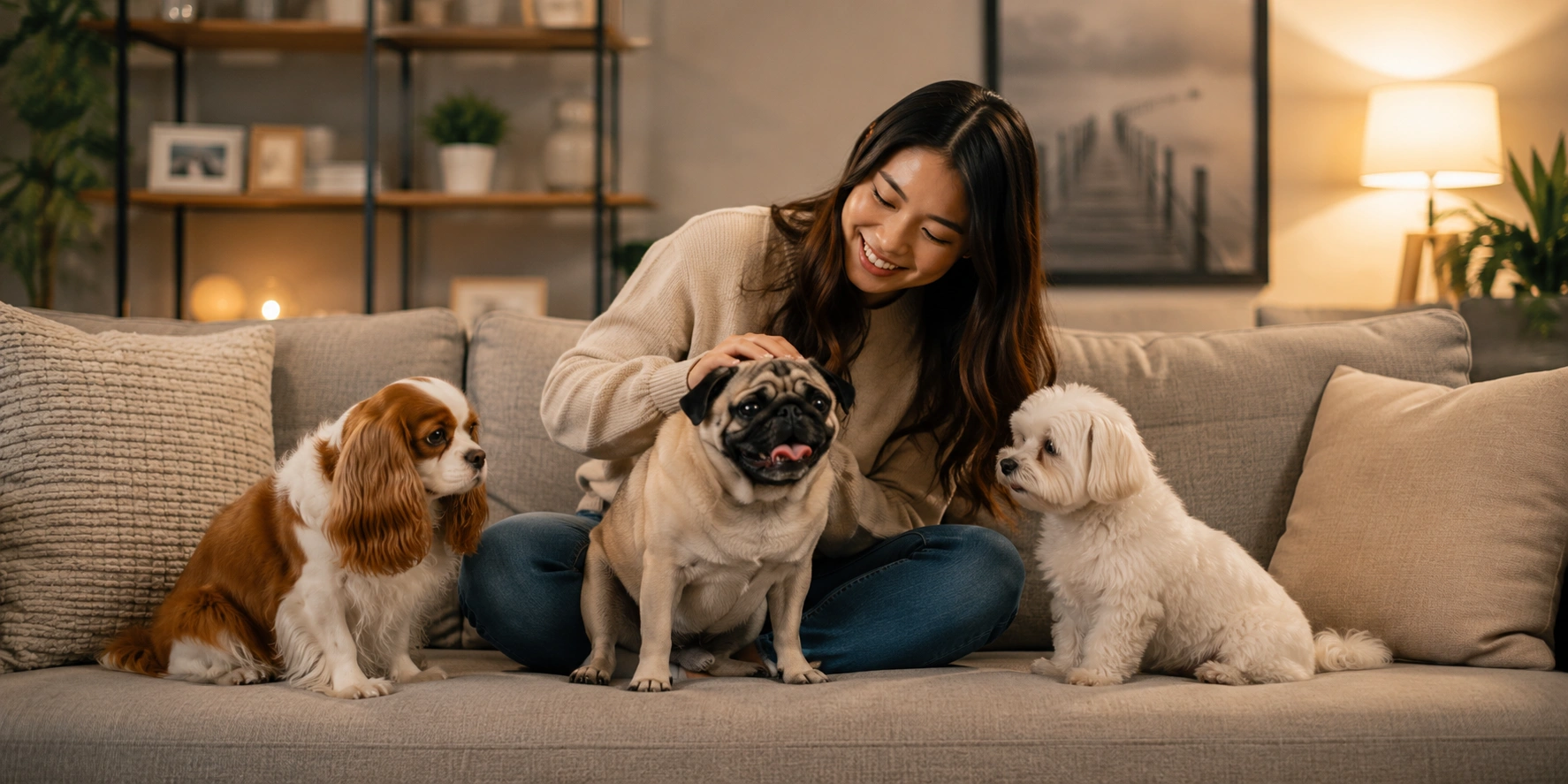
With so many adorable toy breeds to choose from, how do you determine which one is the best match for your lifestyle? The following considerations will help you make an informed decision that leads to a successful, long-term relationship with your new companion.
Lifestyle Matching
- Activity level: If you're an active person who enjoys hiking and outdoor adventures, consider a slightly sturdier toy breed like the Cavalier King Charles Spaniel or a Toy Poodle. If you prefer a more sedentary lifestyle, a Pug or Shih Tzu might be a better match.
- Living situation: Most toy breeds adapt well to apartment living, but some are more vocal than others. If you have close neighbors, quieter breeds like the Cavalier, Pug, or Shih Tzu are preferable to more vocal breeds like the Chihuahua or Yorkshire Terrier.
- Family composition: If you have young children, choose a sturdier, more patient breed like the Cavalier or Pug. If you live alone and work long hours, consider a breed that can tolerate some alone time, though no dog should be left alone for extended periods regularly.
- Allergy considerations: If allergies are a concern, look into hypoallergenic toy breeds like the Poodle, Bichon Frise, or Hairless Chinese Crested, which produce less dander.
- Grooming commitment: Be honest about how much time and money you're willing to invest in grooming. If you prefer low maintenance, avoid long-coated breeds that require professional grooming every 4-6 weeks.
Where to Find Your Toy Breed
Once you've decided on a breed, finding a healthy, well-socialized puppy is crucial. Here are your main options, ranked from most to least recommended:
- Reputable breeders: The best option for finding a healthy, well-bred puppy. Look for breeders who are involved with breed clubs, perform health testing, and allow you to visit their facilities and meet the puppy's parents. Be prepared for waitlists and higher prices ($1,000-$3,500+ depending on breed).
- Breed rescues: Many toy breeds have dedicated rescue organizations that place dogs of all ages. This is an excellent option if you're open to an adult dog. Rescue fees are typically $200-$500 and often include spaying/neutering and basic veterinary care.
- Shelters: While purebred toy breeds are less common in shelters, they do appear, especially in urban areas. This is the most economical option (typically $50-$200) and saves a life.
- Pet stores: Generally not recommended, as most pet store puppies come from puppy mills. These dogs often have health and behavior problems due to poor breeding and early socialization practices.
Puppy Preparation: Before bringing your toy breed puppy home, make sure you have all the essentials ready. Check our puppy supplies checklist for a comprehensive list of what you'll need. Pay special attention to appropriately sized items—collars, harnesses, beds, and bowls should all be sized for toy breeds. You'll also want to puppy-proof your home with special attention to small spaces where a tiny puppy could become trapped or find dangerous items.
Frequently Asked Questions
Ready to Find Your Perfect Toy Breed Companion?
Toy breeds offer all the love and personality of larger dogs in a compact, portable package. Whether you're drawn to the spunky Chihuahua, the elegant Maltese, or the gentle Cavalier King Charles Spaniel, there's a toy breed that's perfect for your lifestyle. Remember that despite their small size, these dogs have big personalities and specific care needs. Take time to research your chosen breed thoroughly, find a reputable source for your puppy or adult dog, and prepare your home before bringing them home. With proper care and attention, your toy breed companion will bring joy to your life for many years to come.


