Complete Dog Winter Care Guide
Protect your furry friend from freezing temperatures, ice, salt, and winter hazards. Essential tips for safety, warmth, health, and year-round happiness.
Winter brings picturesque snow and cozy moments, but for dog owners it also introduces unique challenges. Cold snaps, freezing winds, de-icing chemicals, and shorter daylight hours can endanger your dog’s health. Whether you have a tiny toy breed or a thick-coated giant breed, proactive winter care is essential. This guide covers evidence-based strategies, product recommendations, and lifesaving tips to keep your companion safe all season long.
Cold Weather Risks: Hypothermia & Frostbite
Dogs are vulnerable to extreme cold just like humans. Hypothermia occurs when body temperature drops below normal (101–102.5°F), while frostbite damages extremities like ears, tail, and paw pads. Small dogs, short-haired breeds, puppies, and seniors face the highest risk. Wind chill dramatically increases danger—a 20°F day with 15 mph wind feels like 5°F.
Never leave dogs in parked cars during winter—they act like refrigerators and can cause fatal hypothermia. Provide warm, draft-free shelter if your dog stays outside for limited time, but the safest place is indoors. For extended outdoor breeds like Huskies, ensure insulated dog houses with heated bedding or straw.
Paw Protection: Salt, Ice & Booties
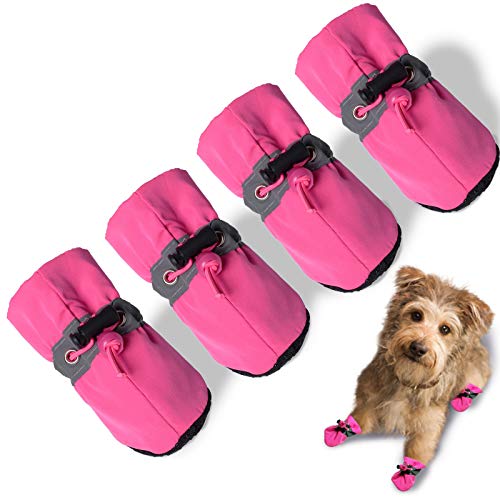
Sidewalks and roads treated with rock salt, calcium chloride, or ice melts can burn paw pads, cause cracking, and lead to chemical ingestion when dogs lick their paws. Even innocent-looking snow can hide sharp ice shards. The best defense? Dog booties provide full coverage, insulation, and traction. Brands like Muttluks, Kurgo, or non-slip rubber booties are effective. For dogs resistant to boots, apply a protective paw balm or wax before walks and rinse paws with warm water immediately afterward.
- Inspect paws daily for redness, cuts, or ice accumulation between toes.
- Trim hair between pads to reduce ice ball formation (but never shave fully).
- Choose dog-safe de-icers for your own property (pet-friendly brands).
Winter Gear: Coats, Sweaters & Layering
Contrary to popular belief, not all dogs have natural cold tolerance. Breeds like Greyhounds, Boxers, Chihuahuas, and French Bulldogs lack undercoats and need insulation. A well-fitted dog winter coat or sweater should cover the chest, belly, and base of the tail. Look for water-resistant materials, adjustable straps, and reflective strips for low-light walks. Heated dog beds or self-warming mats provide indoor comfort for arthritic and senior dogs.
When to Layer Up
- Temperature below 45°F (7°C) for small or thin-coated dogs.
- Below 32°F (0°C) for most dogs during extended walks.
- Windy or wet conditions amplify cold: always use a waterproof shell.
Best Winter Fabrics
- Fleece or Sherpa lining – excellent warmth.
- Polyester/nylon outer – wind and water resistance.
- Avoid cotton – retains moisture and freezes.
Safe Winter Walking & Exercise
Reduced daylight and icy surfaces demand adjustments. Shorten walks in extreme cold and replace outdoor play with indoor activities like tug-of-war, fetch on carpet, or mental games. Use reflective leashes and collars with LED lights for visibility. For exercise, interactive puzzle toys and snuffle mats burn mental energy. When walking on ice, consider dog shoes with non-slip soles to prevent falls and provide traction. Also, always carry a portable water bottle—snow is not a clean substitute and can lower core temperature.
🐾 Quick Tip: After every winter walk, wipe down paws, belly, and tail areas to remove salt, antifreeze residue, and road grime. Antifreeze has a sweet taste but is lethally toxic — learn more about common winter toxins.
Indoor Care & Home Safety
Indoor heating systems reduce humidity, causing dry, flaky skin and static shock. Use a humidifier to keep moisture levels between 30-50%. Provide fresh water at all times — dogs tend to drink less in winter, risking dehydration. Space heaters and fireplaces should be secured with safety gates; exposed cords pose chewing hazards. For dogs that get the "winter zoomies," ensure puppy-proofed areas are clear of toxic plants or holiday decorations. If your dog sleeps on hard floors, upgrade to an orthopedic orthopedic dog bed to insulate from cold surfaces.
Winter Health: Dry Skin, Arthritis & Nutrition
Cold weather exacerbates arthritis and joint pain. Senior dogs benefit from joint supplements (glucosamine, chondroitin), warm bedding, and gentle indoor range-of-motion exercises. Dry skin leads to itching and dandruff: add omega-3 fatty acids to diet, and use a humidifier. Avoid frequent baths; when necessary, use moisturizing oatmeal shampoo and dry thoroughly. Many dogs eat slightly more in winter to maintain body heat, but monitor weight to prevent obesity—check weight management tips. For pets with diabetes or kidney issues, cold can be extra taxing, so keep regular veterinary checkups.
Winter Gear Comparison: Essential Items
| Item | Best For | Estimated Price |
|---|---|---|
| Insulated Dog Coat | Short-haired & small breeds | $25–$60 |
| Waterproof Booties (4-pack) | Salt/ice protection, seniors | $30–$50 |
| Paw Balm/Wax | Moisture barrier & cracked pads | $12–$20 |
| Heated Dog Bed | Arthritic or elderly dogs | $45–$120 |
| Reflective Vest/Harness | Low-light walks | $15–$35 |
| Interactive Puzzle Toy | Indoor mental stimulation | $10–$30 |
Breed-Specific Winter Needs
Not all dogs experience winter equally. Small dog breeds like Chihuahuas, Yorkies, and Dachshunds lose body heat rapidly and require coats even for quick potty breaks. Large dog breeds with double coats (Huskies, Malamutes) thrive in cold but still need shelter from wind and wetness. Brachycephalic (flat-faced) breeds like Bulldogs, Pugs, and Bulldog breeds struggle with temperature regulation — avoid prolonged exposure. Puppies lack full fur insulation and mature metabolic systems; limit outdoor time and use sweaters. Senior dogs and those with hypoallergenic (hairless or single-coated) breeds need extra layers and heated indoor spots.
Emergency Preparedness & First Aid
Winter storms can cause power outages and blocked roads. Prepare an emergency kit containing: thermal blankets, hand warmers (wrapped before contact), first aid supplies, a three-day supply of dog food and medications, bottled water, and a spare leash. Know the location of 24-hour veterinary hospitals along your route. If your dog shows signs of frostbite (pale, hard skin), never rub or apply direct heat; instead, immerse affected area in lukewarm (not hot) water and seek veterinary care. For car travel, use a crash-tested car harness and never leave a dog alone in a cold vehicle.
Frequently Asked Questions About Dog Winter Care
With proper preparation, winter can be a joy for both you and your dog. Invest in quality gear, adjust routines, and never underestimate the impact of cold. For more seasonal advice, explore our complete dog care hub and summer safety guides. Your dog relies on you — stay proactive, stay warm, and enjoy the beauty of winter together.