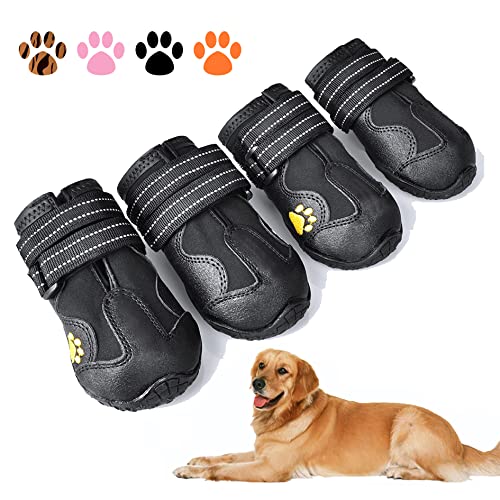
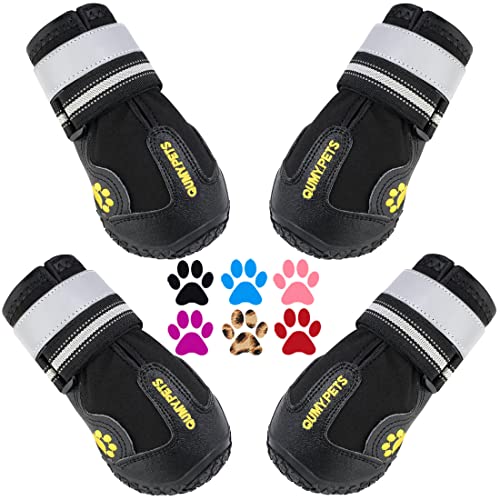
Dog Shoes: The Complete Guide to Paw Protection & Comfort
Everything you need to know about dog shoes — from choosing the right type and getting the perfect fit to training your dog to wear them comfortably in any season.
Dog shoes have moved from novelty item to essential gear for many pet owners. Whether you walk your dog on scorching summer pavement, icy winter sidewalks, or rugged hiking trails, protective footwear can prevent painful paw injuries and extend your adventures together. But with so many options on the market, choosing the right pair — and getting your dog to actually wear them — requires some know-how.
This guide covers everything you need to make an informed decision. You will learn which situations call for dog boots, how to measure your dog's paws correctly, the different materials and closure systems available, and a step-by-step approach to acclimating your dog to wearing shoes. By the end, you will have the confidence to select the best dog shoes for your companion's specific needs.
Why Dogs Need Shoes
Many owners wonder if dog shoes are truly necessary or just a fashion statement. The answer depends entirely on your dog's lifestyle and environment. Paw pads are tough, but they are not indestructible. Understanding the threats your dog's paws face helps you decide when protection is warranted.
Environmental Hazards
- Hot pavement: Asphalt and concrete can reach temperatures that cause second-degree burns on paw pads in minutes. If the ground is too hot for your bare hand, it is too hot for your dog's paws.
- Ice and snow: Ice can cut paw pads, and snow can ball up between toes causing discomfort and frostbite. Rock salt and chemical de-icers are caustic and can burn paws or cause illness if licked off.
- Sharp terrain: Broken glass, jagged rocks, thorns, and metal debris on trails or city streets can slice paw pads.
- Extreme cold: Prolonged exposure to freezing temperatures can cause frostbite on paw pads, especially in small or short-haired breeds.
- Hot sand or gravel: Beach sand and gravel can become dangerously hot in direct sun, causing burns and discomfort.
Medical and Behavioral Reasons
- Paw injuries: Dogs recovering from cuts, burns, or surgery need protection while healing. Shoes keep bandages clean and prevent licking.
- Allergies: Some dogs are allergic to grass, pollen, or chemicals on the ground. Shoes create a barrier between paws and allergens, reducing reactions. Owners dealing with dog sensitive skin often find boots helpful during flare-ups.
- Mobility issues: Senior dogs or those with dog mobility challenges benefit from shoes that improve traction on slippery floors and provide stability.
- Outdoor sports: Dogs participating in hiking, mushing, skijoring, or dog sports benefit from protective footwear that prevents wear-and-tear on paw pads.
- Service dogs: Working dogs often spend hours on hard surfaces. Shoes protect their paws and extend their working life. Learn more about dog service training and the gear involved.
When Shoes Are NOT Necessary:
If you walk your dog on grass, soft dirt trails, or mild-weather sidewalks, and your dog has healthy paw pads, shoes are optional. Paw pads are designed to handle natural terrain. The key is assessing your specific environment and your dog's individual needs. For general paw health, regular dog paw protection care like moisturizing balm may be sufficient.
Types of Dog Shoes
Dog shoes come in several designs, each suited to different activities and conditions. Understanding the differences helps you choose the right pair for your dog's needs.
All-Weather Boots
Versatile design with waterproof uppers and rubber soles. Suitable for most conditions including rain, mud, and light snow. Often feature adjustable straps and reflective accents. A solid choice for year-round urban walking.
mid-range to premiumWinter & Snow Boots
Insulated, waterproof, and often taller to prevent snow entry. Feature aggressive traction soles for ice. Essential for dogs walking in harsh winter conditions. Look for fleece lining and secure closure systems.
premiumSummer & Hot Pavement Boots
Lightweight, breathable materials with thin but heat-resistant soles. Mesh uppers allow airflow. Designed specifically for hot pavement and sand. Not suitable for cold or wet conditions.
entry-level to mid-rangeTrail & Hiking Boots
Rugged, high-traction soles with toe protection. Durable uppers that resist abrasion from rocks and branches. Often feature drainage holes for water crossings. Best for active dogs on uneven terrain.
mid-range to premiumDisposable & Emergency Boots
Lightweight, inexpensive options for short-term use. Often made of rubber or nylon. Useful for protecting bandaged paws or for one-time events. Not designed for durability or repeated use.
budget-friendlyGrip & Traction Socks
Not technically shoes, but rubberized socks that improve traction on slippery floors. Ideal for senior dogs or those recovering from injury. Often used indoors and for short outdoor trips. Pair with boots for extra warmth.
affordableMaterials and Closure Systems
The material and closure system significantly impact comfort, durability, and ease of use:
- Rubber soles: Provide the best traction and water resistance. Thicker soles offer more protection but less flexibility. Look for non-slip tread patterns for winter.
- Leather uppers: Durable and breathable. Require some break-in time. Not ideal for wet conditions unless treated.
- Mesh and synthetic uppers: Lightweight and breathable. Best for summer. Less durable on rough terrain.
- Velcro straps: Most common closure. Easy to put on and adjust. Can collect debris and lose grip over time.
- Drawstring cinch: Provides a secure, custom fit. Can be difficult for some owners to tighten properly. Good for dogs with narrow paws.
- Buckle closures: Most secure and durable. Takes longer to put on. Best for active dogs who might kick off velcro shoes.
How to Measure & Fit Dog Shoes
Ill-fitting shoes are the number one reason dogs reject wearing them. Shoes that are too small cause pinching and restrict circulation. Shoes that are too large slip off, cause tripping, and create blisters. Getting the right fit is essential.
Step-by-Step Measuring Guide
- Gather your tools: You will need a piece of paper, a pen or marker, and a ruler or measuring tape. Treats help keep your dog still during the process.
- Measure while standing: Have your dog stand on the paper. Their weight spread across the paw gives the most accurate measurement. Do not measure a lifted paw.
- Trace the paw: Hold the pen perpendicular to the paper and trace around the widest part of the paw, including the nails. Nails are part of the paw and must be accounted for.
- Measure length and width: Use the ruler to measure the longest and widest points of the tracing. Record both measurements.
- Measure all four paws: Front and back paws often differ in size. Front paws are typically wider; back paws are longer. Always order based on the largest paw.
- Add for socks: If you plan to use socks under the shoes, add a small amount to your measurement. Check the brand's recommendations for sock compatibility.
- Consult the brand's sizing chart: Every manufacturer has its own sizing. Never assume your dog is a "medium" across all brands. Always measure and compare to the specific chart.
Fit Check: Once you receive the shoes, put them on your dog and check the following:
• You should be able to fit one finger between the shoe and your dog's paw.
• The shoe should not twist or slide when your dog walks.
• Your dog should be able to walk normally without high-stepping or dragging their feet.
• Check for redness or rubbing after short wear sessions.
Signs of a Poor Fit
- Shoes that spin: If the shoe rotates around the paw, it is too loose or the closure is inadequate.
- Dogs kicking off shoes: Usually a sign of discomfort or poor fit. Check for pinching or pressure points.
- Reluctance to walk: Some hesitation is normal during training, but if your dog refuses to move after several sessions, the fit may be wrong.
- Redness or hair loss: Check paws after each wear session. Redness, bald spots, or sores indicate the shoes are rubbing.
- Shoes falling off: If shoes come off during normal activity, they are too big or the closure is not tight enough.
Seasonal Paw Protection
Your dog's paw protection needs change with the seasons. What works in summer may be inadequate in winter, and vice versa.
Summer & Hot Weather
Hot pavement is the most common cause of paw pad burns. Asphalt absorbs heat and can reach temperatures that cause injury even on moderately warm days.
- Choose breathable shoes: Mesh or ventilated designs allow airflow and prevent overheating. Avoid heavy, insulated boots in summer.
- Walk during cooler hours: Early morning and late evening are best. If you must walk midday, stick to grass or shaded paths.
- Test the pavement: Place the back of your hand on the pavement for five seconds. If it is too hot for your hand, it is too hot for your dog's paws.
- Consider paw balm: For dogs who tolerate shoes poorly, a protective dog paw protection balm can provide some protection on moderately warm surfaces.
Winter & Cold Weather
Winter brings a unique set of paw hazards: ice, snow, rock salt, and chemical de-icers.
- Choose insulated, waterproof boots: Look for fleece lining, waterproof uppers, and high traction soles. Taller boots prevent snow from entering.
- Rinse paws after walks: Even with boots, some salt or chemical may contact paws. Rinse with warm water and dry thoroughly.
- Avoid rock salt: If you cannot avoid salted areas, boots are essential. Rock salt can burn paws and cause illness if licked off.
- Watch for ice balls: Snow can ball up between toes and cause discomfort. Boots prevent this. If your dog refuses boots, trim the hair between their toes to reduce accumulation.
- Limit exposure: Even with boots, extreme cold can be dangerous. Keep winter walks short for small or short-haired breeds.
Year-Round Paw Care:
Regardless of season, regular paw care is essential. Check paws after every walk for cuts, foreign objects, or irritation. Keep nails trimmed with quality dog nail clippers — long nails change your dog's gait and increase injury risk. Moisturize dry or cracked pads with a dog-safe balm. If your dog has sensitive skin or allergies, consult your vet about the best dog paw protection routine.
Training Your Dog to Wear Shoes
Most dogs do not naturally enjoy wearing shoes. The sensation of something on their paws is unfamiliar and can feel restrictive. With patience and positive reinforcement, almost any dog can learn to wear shoes comfortably.
Step-by-Step Acclimation Process
- Start with socks or booties indoors: Begin with a single shoe or sock on one paw. Let your dog sniff it, then reward calm behavior. Do not force it on.
- Short sessions, high rewards: Put one shoe on for a few seconds, then remove it and reward. Gradually increase the time. Use high-value treats like small pieces of chicken or cheese.
- Add more paws gradually: Once your dog tolerates one shoe, add another. Repeat the process until all four are on. This may take several days or weeks.
- Practice inside first: Have your dog walk on carpet or non-slip flooring. Encourage movement with treats or a favorite toy. Keep sessions short and positive.
- Move to the yard or sidewalk: Once your dog walks normally indoors, try outside on grass or a quiet sidewalk. Reward every few steps.
- Increase duration and difficulty: Gradually extend wear time and introduce different surfaces. Always end on a positive note before your dog becomes frustrated.
- Be patient: Some dogs adapt in days; others take weeks. Never punish or force your dog. If your dog panics, go back to an earlier step and proceed more slowly.
Pro Tips for Success:
• Use treats your dog only gets during shoe training to make it special.
• Practice when your dog is calm and a little tired, not during peak energy.
• If your dog is highly food-motivated, lure them forward with a treat trail.
• Some dogs do better if they see another dog wearing shoes. A calm demo dog can help.
• If your dog has dog separation anxiety or general anxiety, consult a trainer or behaviorist for extra support.
Troubleshooting Common Issues
- High-stepping: This is normal at first. Your dog is adjusting to the sensation. Most dogs stop after a few minutes of walking.
- Freezing in place: Some dogs refuse to move. Try luring with treats or a toy. If your dog remains frozen, remove the shoes and try again later with fewer paws covered.
- Kicking off shoes: Check the fit. Shoes that are too loose or too tight will be kicked off. Ensure closures are snug but not restrictive.
- Chewing at shoes: Distract with treats or a favorite chew toy. If your dog persists, they may be uncomfortable. Check for rubbing or pressure points.
- Refusing to walk outside: Practice more indoors before venturing out. Use a familiar route and plenty of rewards.
Common Mistakes to Avoid
Even well-intentioned owners make mistakes when introducing shoes. Avoiding these pitfalls saves time and frustration.
- Buying without measuring: Never guess your dog's size. Brands vary significantly. Always measure and consult the specific sizing chart.
- Choosing style over function: Fashionable shoes may not provide adequate protection or traction. Prioritize function for your dog's safety.
- Skipping the acclimation process: Putting all four shoes on and expecting your dog to walk normally is unrealistic. Gradual introduction is key.
- Ignoring fit issues: If your dog kicks off shoes or develops sores, the fit is wrong. Do not force the issue — exchange for a different size or style.
- Using shoes as a substitute for paw care: Shoes protect paws, but regular inspection, cleaning, and nail trimming are still essential. Read more about dog nail trimming and overall paw health.
- Leaving shoes on for too long: Even well-fitting shoes can cause discomfort if worn for extended periods. Remove them during rest and check paws regularly.
- Forgetting about socks: Socks add warmth and reduce friction, but they also affect fit. If you use socks, measure with socks on or size up slightly.
- Not cleaning shoes: Dirty shoes can harbor bacteria and cause irritation. Rinse and dry shoes after each use, especially after walking on salted or muddy surfaces.
Cleaning & Maintenance
Proper care extends the life of your dog's shoes and keeps your dog's paws healthy.
- Rinse after every use: Mud, salt, and chemicals can degrade materials and irritate paws. Rinse with warm water and mild soap, then air dry completely.
- Check for wear: Inspect soles for thinning or holes. Check closures for fraying or loss of grip. Replace shoes when traction or protection is compromised.
- Store properly: Keep shoes in a dry, well-ventilated place. Avoid leaving them in direct sunlight or extreme temperatures, which can damage materials.
- Rotate pairs: If you use shoes frequently, consider having two pairs to rotate. This allows each pair to dry completely between uses.
- Clean Velcro: Debris in Velcro reduces its grip. Use a stiff brush or tweezers to remove hair and dirt regularly.
Frequently Asked Questions
Ready to Choose the Right Dog Shoes?
Start by assessing your dog's environment and paw health. Measure carefully, choose a style suited to your climate and activities, and commit to a patient training process. The right dog shoes can open up new adventures and protect your best friend's paws for years to come. If you are also looking for other outdoor gear, check our guides on dog life jacket, dog carrier, and dog travel essentials to complete your kit.