Positive Reinforcement Dog Training: Science-Based Guide
Transform your dog’s behavior with kindness, clarity, and proven reward‑based methods. Build trust, stop problem behaviors, and enjoy a lifelong bond.
What Is Positive Reinforcement Dog Training?
Positive reinforcement (R+) is a training methodology based on adding something your dog wants immediately after a desired behavior, making that behavior more likely to happen again. Instead of punishing mistakes, you reward actions you like — sitting, walking calmly, coming when called, or ignoring distractions.
🔑 Core principle: Behavior that is reinforced (rewarded) will increase. Punishment suppresses behavior temporarily but doesn't teach what to do and often creates fear or aggression. R+ builds confidence and a trusting relationship.
This approach is used by modern veterinary behaviorists, accredited trainers, and organizations like the American Veterinary Society of Animal Behavior (AVSAB). Whether you have a puppy or a senior rescue dog, positive reinforcement works across all ages, breeds, and temperaments.
The Science Behind Reward‑Based Training
Dogs, like humans, are driven by consequences. Neuroscientific research shows that reward releases dopamine in the brain, strengthening neural pathways associated with the reinforced action. That’s why a dog who gets a treat for sitting will offer sits more often — the brain literally rewires for success.
- Operant conditioning (B.F. Skinner): Positive reinforcement adds a reward → behavior increases.
- Classical conditioning (Pavlov): Pair a marker word/clicker with a treat, and the marker itself becomes rewarding.
- Low stress, high retention: R+ lowers cortisol levels; dogs learn faster and retain behaviors longer compared to aversive methods.
Studies also show that dogs trained with rewards exhibit fewer stress signals (lip licking, yawning, tucked tails) and are more eager to participate in learning. Learn more about dog behavior and how emotions drive actions.
How to Start Positive Reinforcement: A Step‑by‑Step Plan
- Gather high‑value rewards: Tiny, soft treats (chicken, cheese, liver). For dogs less food‑motivated, use toys or play.
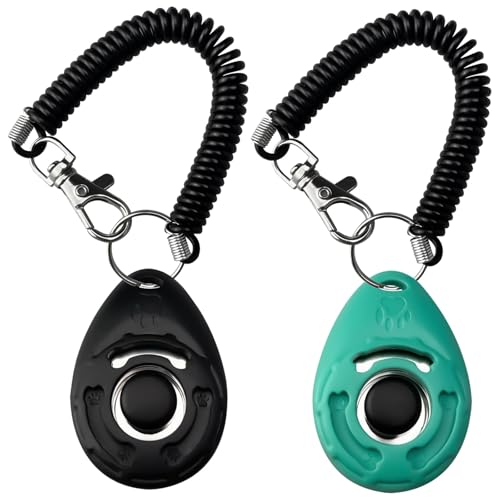
- Choose a marker signal: A word like “yes!” or a clicker. The marker tells your dog exactly which behavior earned the treat.
- Capture natural behaviors: Watch for your dog sitting, lying down, or looking at you. Mark and reward immediately.
- Add verbal cues: After several repetitions, say “sit” just before your dog sits, then mark & reward.
- Practice short sessions (2‑5 minutes): Train when your dog is calm and not distracted. End on a positive note.
If you need guidance for specific commands, check our detailed tutorials: teach sit, teach stay, teach come. Consistency across family members is vital.
🐕 Pro tip: Train before meals when your dog is hungry — treats become even more reinforcing. And always respect your dog’s pace; never force or flood them.
Key Positive Reinforcement Techniques
Clicker Training
A clicker provides a precise, consistent sound that marks the exact moment a behavior is correct. It bridges the gap between action and reward. Follow our full clicker training guide to master timing and shaping.
Luring
Using a treat to guide your dog into a position (e.g., moving treat over nose to encourage a sit). Once the dog performs the action, you fade the lure and replace with a hand signal.
Shaping
Reinforcing successive approximations toward a final behavior. For instance, rewarding a paw lift, then a paw touch to an object, then a full “shake hands.” Ideal for complex tricks.
Capturing
Waiting for your dog to spontaneously offer a behavior (like lying down), then marking and rewarding. Great for default calm behaviors.
For advanced skills like agility training or therapy dog training, positive reinforcement remains the gold standard.
Choosing the Best Rewards & Treats
Not all rewards are equal. For learning new behaviors, use high-value, soft, low-calorie treats that your dog can swallow in one second. Examples: diced boiled chicken, freeze‑dried liver, string cheese (pea‑sized), or commercial training bits (2–3 calories each).
- Everyday rewards: Kibble pieces for known behaviors in low‑distraction environments.
- Jackpot reward: 4–5 treats in a row for an exceptional response (e.g., fast recall).
- Life rewards: Opening the door, throwing a ball, releasing to sniff — use these as reinforcers too.
See our curated recommendations for best dog treats and interactive toys that double as reinforcers. Also explore puzzle toys to provide mental stimulation during training breaks.
Building Reliability & Proofing Behaviors
Generalization is the key to a well‑behaved dog. Your dog might “sit” perfectly in the living room but ignore you at the park. To build real‑world reliability:
- Add distractions gradually: Start with low noise, then practice with toys, then other people/dogs at a distance.
- Vary locations: Kitchen, backyard, sidewalk, pet store (outside).
- Intermittent reinforcement: Once behavior is solid, reward randomly (every 2nd, 3rd, 5th repetition) to strengthen durability.
- Use a variable schedule: Keep treats unpredictable, but always praise.
If your dog struggles, revisit easier steps. Many owners quit too early — patience pays off. Consider working with a professional through when to hire a trainer guidelines.
Common Positive Reinforcement Mistakes (And How to Fix Them)
- Rewarding too late: Timing must be within 1 second. Use a marker word to bridge delay.
- Using low‑value treats for difficult behaviors: Upgrade to chicken or liver for challenging cues.
- Accidentally reinforcing unwanted behaviors: If your dog jumps and you push them off (attention), you might reinforce jumping. Instead, turn away and reward four on the floor.
- Training when frustrated: Dogs read emotions. Take breaks, keep sessions positive.
- Not fading the lure: Transition from treat‑in‑hand to empty hand signal quickly.
Avoid these dog training mistakes and your progress will accelerate dramatically.
Addressing Problem Behaviors with Positive Reinforcement
Positive reinforcement is highly effective for common behavior issues: barking, jumping, leash pulling, chewing, and even aggression. Instead of punishment, you teach an alternative behavior that is incompatible with the problem.
Leash Reactivity
Use the “look at that” game: reward your dog for looking at a trigger (dog, bike) then back to you. Gradually decrease distance. More in managing dog aggression.
Separation Anxiety
Reward calm departures and short absences. Pair with calming products and consult a behaviorist.
Destructive Chewing
Provide appropriate chew toys and reward your dog when they choose them over furniture. Management plus reinforcement.
Excessive Barking
Reinforce quiet moments, teach a “speak” and “quiet” cue, and address underlying triggers. See stop excessive barking.
For severe aggression or anxiety, seek certified applied animal behaviorists. R+ works but must be implemented safely with professional guidance.
R+ vs. Other Methods: Why Force‑Free Wins
Aversive methods (choke chains, shock collars, alpha rolls) can cause fear, pain, and increased aggression. The scientific consensus is clear: reward‑based training is more effective, less risky, and strengthens the human‑animal bond. Dogs trained with positive reinforcement show fewer signs of stress, better problem‑solving skills, and higher owner satisfaction.
📚 Scientific fact: A 2020 study published in Applied Animal Behaviour Science found that dogs trained with aversive collars exhibited more stress behaviors (panting, yawning, lip licking) and were less responsive to cues compared to dogs trained with rewards.
Ready to transition? Equip yourself with proper dog training equipment such as front‑clip harnesses, clickers, and treat pouches.
Frequently Asked Questions
🐾 Ready to transform your dog’s training journey? Positive reinforcement isn’t just a method — it’s a philosophy of mutual respect. Start today with short, fun sessions. And remember, the tools you use matter. Below you’ll find our team’s top‑rated training treats, clickers, harnesses, and enrichment toys to set you and your dog up for success.