The Complete Guide to the Best Puppy Food
Choose the perfect nutrition for your growing puppy – science‑backed advice, ingredient breakdowns, and top brand comparisons to fuel a lifetime of health.
📖 What You'll Learn
Why Your Puppy Needs Specialized Food
Puppies grow rapidly — in their first year, a puppy can gain up to 100 times its birth weight. This explosive growth demands precise levels of protein, fat, calcium, phosphorus, and DHA (an omega-3 fatty acid for brain development). Adult dog food lacks the correct nutrient ratios and can lead to developmental orthopedic diseases, obesity, or nutrient deficiencies. Feeding a life stage‑appropriate, AAFCO‑approved puppy food is the single most important nutritional decision you’ll make. For a complete overview, visit our comprehensive puppy guide that covers everything from adoption to adolescence.
Critical Nutrients for Healthy Puppy Development
- High-quality animal protein – builds muscles, organs, and a strong immune system. Look for chicken, turkey, lamb, or fish as first ingredient.
- DHA (docosahexaenoic acid) – supports brain and vision development; found in fish oil and certain ingredients like salmon.
- Calcium & Phosphorus – critical for bone growth, but balance is key. Too much or wrong ratio can cause skeletal deformities, especially in large breeds.
- Omega-3 & Omega-6 fatty acids – promote healthy skin, shiny coat, and reduce inflammation.
- Antioxidants (vitamins E & C) – support developing immune system.
- Probiotics & prebiotic fibers – aid digestion and gut health, reducing the risk of diarrhea during stressful transitions.
- Controlled carbohydrate sources – provide steady energy without blood sugar spikes (whole grains like rice, oats, or barley).
How to Decode Puppy Food Labels
Understanding the label is half the battle. Look for the AAFCO statement – it must say “complete and balanced for growth” or “for all life stages.” The ingredient list is ordered by weight, so the first few ingredients dominate the recipe. Avoid vague terms like “meat meal” or “poultry by-product meal” – instead prefer “chicken meal” or “lamb meal.” For more label insights, read our detailed dog food guide.
Types of Puppy Food: Pros, Cons & Price Ranges
| Type | Benefits | Drawbacks | Avg. Monthly Cost |
|---|---|---|---|
| Dry Kibble | Convenient, cost‑effective, helps reduce tartar, easy to portion | Lower moisture (need fresh water always) | $30–$70 |
| Wet/Canned | High moisture, palatable for picky eaters, softer for teething puppies | More expensive per calorie, messy, needs refrigeration | $60–$150 |
| Dehydrated / Freeze‑dried | Minimally processed, retains nutrients, often grain‑free options | Expensive, rehydration required | $100–$200 |
| Fresh (refrigerated) | Human‑grade ingredients, no preservatives, custom plans | Most expensive, subscription needed, short shelf life | $150–$300+ |
| Raw (commercial) | Mimics ancestral diet; some owners report shinier coats | Risk of bacterial contamination, not recommended for immunocompromised homes, must handle carefully | $100–$250 |
Most owners start with high‑quality dry puppy food and mix in a little warm water for young puppies. For more specialized options, browse our puppy food product recommendations.
Ingredients to Seek & Red Flags
✅ What you want:
- Named animal protein (chicken, salmon, turkey, lamb)
- Whole food fruits & veggies (blueberries, sweet potatoes, spinach)
- Healthy fats (chicken fat, salmon oil, flaxseed)
- Whole grains (brown rice, oats, barley) for fiber & energy
- Natural preservatives (vitamin E, rosemary extract)
❌ What to avoid:
- Generic “meat meal” or “poultry by‑product”
- Artificial colors, flavors, or preservatives (BHA, BHT, ethoxyquin)
- Excessive salt, sugar or corn syrup
- Unnamed fat sources (“animal fat”)
- Propylene glycol (used in semi‑moist foods)
Best Puppy Food Brands – Top Recommendations
After analyzing hundreds of formulas and consulting veterinary nutrition guidelines, these brands consistently deliver superior quality for puppies.
| Brand & Formula | Primary Protein | Key Feature | Price (per lb) |
|---|---|---|---|
| Hill’s Science Diet Puppy (Chicken & Barley) | Chicken | DHA from fish oil, clinically proven antioxidants | $2.80–$3.50 |
| Royal Canin Puppy (Small / Large breed specific) | Chicken meal | Breed size‑tailored kibble shape & nutrients | $3.20–$4.00 |
| Purina Pro Plan Puppy (Shredded Blend) | Chicken & rice | Contains live probiotics, high protein | $2.50–$3.20 |
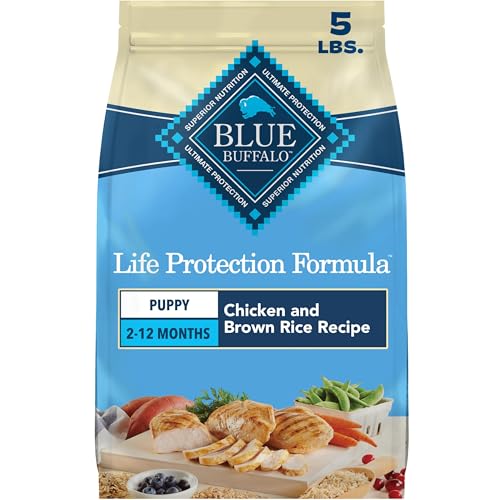
| Blue Buffalo Life Protection Puppy | Deboned chicken | Whole grains, antioxidant-rich “LifeSource Bits” | $2.90–$3.80 |
| Wellness Complete Health Puppy | Deboned chicken & turkey | Salmon oil for DHA, no corn/wheat/soy | $3.10–$4.20 |
| Merrick Grain‑Free Puppy (Real Chicken) | Deboned chicken | High protein (38% crude), added glucosamine | $3.50–$4.50 |
| Orijen Puppy (Biologically Appropriate) | Fresh chicken, turkey, fish | Whole prey diet, 85% animal ingredients | $5.50+ |
| Nutro Wholesome Essentials Puppy | Chicken & brown rice | Non‑GMO ingredients, no chicken by‑product meal | $2.70–$3.60 |
These prices reflect average online retail rates. For the most current deals and customer ratings, check our puppy food product page.
How Much & How Often to Feed Your Puppy
Puppies require frequent small meals to maintain stable blood sugar and support rapid growth. Follow this general schedule, but always check the specific bag guidelines and consult your vet.
- 6–12 weeks: 4 meals per day (every 4 hours)
- 3–6 months: 3 meals per day
- 6–12 months: 2 meals per day (transition gradually)
Learn more about establishing a healthy routine in our puppy feeding schedule and weight management tips.
Small Breed vs. Large Breed Puppy Food – Crucial Differences
Large breed puppies (adult weight >50 lbs) need precise calcium levels (0.8–1.2% dry matter) and controlled energy density to avoid rapid growth that stresses bones. Large breed puppy formulas also contain adjusted phosphorus ratios to prevent hip dysplasia and osteochondrosis. Small breed puppies have faster metabolisms and need higher calorie density, plus smaller kibble size for easy chewing. Always choose a formula matched to your puppy’s expected adult size. For more on breed‑specific traits, explore our guides on small dog breeds and large dog breeds.
Common Puppy Feeding Mistakes to Avoid
- Free‑feeding (leaving food out all day): Can lead to obesity and makes house training harder. Stick to set meal times.
- Switching food abruptly: Always transition over 5–7 days by mixing increasing amounts of new food to avoid digestive upset.
- Over-supplementing: High‑quality puppy food is already balanced. Adding calcium or extra vitamins can cause harm.
- Feeding adult food too early: Keep your puppy on growth formula until at least 12 months (18–24 months for giant breeds).
- Ignoring body condition: Adjust portions based on weight gain, not just package instructions. A lean puppy is healthier.
If you encounter training challenges related to food motivation or resource guarding, read our guide on positive reinforcement methods and resource guarding solutions.
When & How to Transition to Adult Dog Food
Small breeds (under 20 lbs adult) can switch to adult food around 9–12 months. Medium breeds (20–50 lbs) at 12 months. Large & giant breeds should stay on puppy formula until 15–24 months. Transition slowly over 7 days. Monitor stool consistency and energy levels. For senior dogs later in life, see our senior dog diet guide.