Dog Supplements: What Works and What Doesn't
Navigate the confusing world of canine supplements with confidence. Learn which supplements have real scientific backing, which are a waste of money, and how to choose products that actually help your dog.
Walk down any pet store aisle and you will find hundreds of bottles promising to fix everything from arthritis to anxiety. The reality is more nuanced. Some supplements have solid scientific evidence behind them, while others are little more than expensive placebos. Understanding the difference protects both your dog's health and your wallet.
The dog supplement market has exploded in recent years, driven partly by genuine advances in veterinary nutrition and partly by clever marketing. As a responsible owner, your job is to separate evidence-based products from hype. This guide helps you do exactly that.
Why Dog Supplements Matter
Dogs today live longer than ever, but longer lives come with age-related challenges: joint deterioration, cognitive decline, weakened immunity, and slower recovery from illness. A quality dog nutrition guide forms the foundation of health, but supplements can fill specific gaps that diet alone cannot address.
Several factors determine whether your dog might benefit from supplementation:
- Age: Senior dogs often need joint support, cognitive boosters, and digestive aids. Puppies on growth diets may need specific nutrients for bone and brain development.
- Breed predisposition: Large breeds like German Shepherds and Labradors are prone to hip dysplasia. Breeds with skin folds, such as Bulldogs, are more susceptible to dermatological issues. Knowing your breed's risks helps you target prevention.
- Diet type: Dogs on homemade or raw diets require careful supplementation to avoid nutritional deficiencies. Even some commercial diets are formulated to minimum standards rather than optimal levels.
- Health conditions: Dogs with arthritis, kidney disease, liver disease, or allergies often benefit from specific supplements that support their condition.
- Lifestyle: Highly active dogs, working dogs, and service dogs may have elevated nutritional demands compared to couch companions.
Key Principle: Supplements are called "supplements" for a reason — they supplement a complete and balanced diet, not replace it. No supplement can compensate for poor-quality food, inadequate exercise, or lack of veterinary care. Build the foundation first, then add targeted support.
Joint Health Supplements
Joint supplements are the most popular category of canine supplementation, and for good reason. Arthritis affects an estimated 20% of adult dogs and up to 80% of seniors. The right joint support can mean the difference between a dog who struggles to climb stairs and one who moves comfortably.
Evidence-Based Joint Ingredients
Glucosamine & Chondroitin
The most studied joint ingredients. Glucosamine supports cartilage repair, while chondroitin inhibits cartilage breakdown. Best results come from combining both rather than using either alone. Takes 4-8 weeks to show effects.
Core Joint SupportMSM (Methylsulfonylmethane)
A sulfur compound with anti-inflammatory properties. Often paired with glucosamine and chondroitin for enhanced effect. May reduce pain and improve mobility in arthritic dogs. Generally well-tolerated at appropriate doses.
Anti-Inflammatory SupportGreen-Lipped Mussel
New Zealand shellfish containing omega-3s, glucosamine, and chondroitin naturally. Research shows it can reduce joint pain and improve mobility. Particularly effective for dogs who struggle with standard glucosamine supplements.
Premium Natural OptionOmega-3 Fatty Acids (Fish Oil)
EPA and DHA from fish oil reduce joint inflammation throughout the body. Also supports heart health, kidney function, and coat condition. Look for high-EPA formulas specifically for joint support.
Multi-Benefit SupportHyaluronic Acid
Naturally present in joint fluid. Supplementation may improve joint lubrication and cushioning. Often included in premium joint formulas alongside glucosamine. Oral absorption is debated but evidence is growing.
Advanced SupportTurmeric / Curcumin
A natural anti-inflammatory gaining popularity in veterinary medicine. Bioavailability is poor unless paired with black pepper extract or formulated for absorption. May help with joint discomfort and overall inflammation.
Emerging EvidenceFor a deeper dive into joint-specific products and dosages, see our dedicated dog joint supplements guide. If you are specifically interested in green-lipped mussel formulas, our green-lipped mussel joint supplement review covers top options and evidence.
When to Start Joint Supplements
Prevention is easier than treatment. Start joint support when:
- Your dog is a large or giant breed (start at 12-18 months)
- Your dog has a breed predisposition to hip or elbow dysplasia
- Your dog is entering middle age (5-7 years for most breeds)
- Your dog shows early signs: stiffness after rest, reluctance to jump, or slower on walks
- Your dog has been diagnosed with arthritis or joint injury
Important: Joint supplements are not painkillers. If your dog is in significant pain, supplements alone are not enough. Work with your veterinarian on a comprehensive plan that may include prescription anti-inflammatories, physical therapy, and weight management. Joint supplements complement medical treatment, not replace it.
Skin & Coat Supplements
Skin problems are among the top reasons owners seek veterinary care. Allergies, dry skin, hot spots, and dull coats often respond well to targeted nutritional support. The right supplements can reduce itching, strengthen the skin barrier, and produce a shiny, healthy coat.
Key Skin & Coat Nutrients
- Omega-3 fatty acids (EPA & DHA): The most important supplement for skin health. They reduce inflammation throughout the body, strengthen the skin barrier, and improve coat shine. Fish oil, salmon oil, and krill oil are common sources.
- Omega-6 fatty acids (GLA): Found in evening primrose oil and borage oil. Supports skin hydration and reduces inflammation. Best used in balance with omega-3s.
- Biotin: A B vitamin essential for keratin production. Deficiency causes brittle hair and dry, flaky skin. Most commercial diets contain adequate biotin, but supplementation may help dogs with specific conditions.
- Zinc: Critical for skin repair and immune function. Zinc deficiency causes crusty skin and hair loss. Some breeds, especially Arctic breeds, have higher zinc requirements.
- Vitamin E: An antioxidant that protects skin cells from damage and supports immune function. Works synergistically with omega-3s.
- Collagen & Hyaluronic Acid: Emerging evidence suggests oral collagen may support skin elasticity and hydration. Research in dogs is limited but growing.
Dogs with diagnosed allergies or sensitive skin often need a combination approach: appropriate diet, targeted supplements, and gentle topical care. Our guides on dog sensitive skin and medicated shampoos cover complementary strategies.
Digestive & Probiotic Supplements
A healthy gut means a healthy dog. The gastrointestinal tract houses 70% of the immune system and influences everything from digestion to mood. Probiotics, prebiotics, and digestive enzymes can help dogs with sensitive stomachs, chronic digestive issues, or those recovering from illness.
Understanding the Difference
Probiotics
Live beneficial bacteria that colonize the gut. Common strains include Lactobacillus, Bifidobacterium, and Enterococcus. Look for products with guaranteed live cultures and high CFU counts (colony-forming units).
Prebiotics
Non-digestible fibers that feed beneficial bacteria. Common sources include inulin, FOS (fructooligosaccharides), and chicory root. Often combined with probiotics as "synbiotics."
Digestive Enzymes
Proteins that help break down food. Produced naturally by the pancreas, but supplementation helps dogs with exocrine pancreatic insufficiency (EPI) or age-related enzyme decline.
Other Digestive Support
Pumpkin fiber, slippery elm, marshmallow root, and L-glutamine support gut lining health. These are especially helpful during episodes of diarrhea or after antibiotic treatment.
For dogs with chronic digestive issues, our guides on dog sensitive stomach and upset stomach treatment provide comprehensive strategies beyond supplements alone.
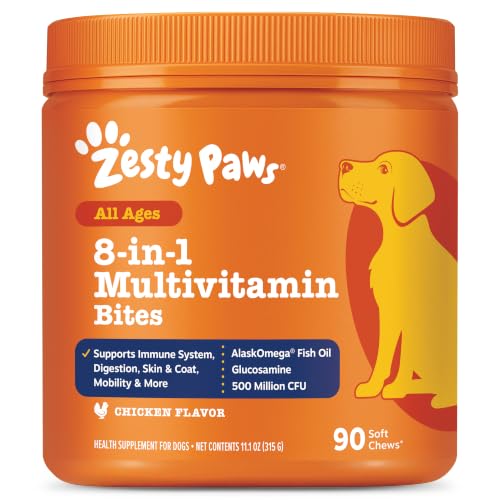
Multivitamins & Daily Support
Dogs eating complete and balanced commercial diets typically do not need multivitamins. However, certain situations warrant daily supplementation:
- Homemade diets: Without careful formulation, homemade diets are often deficient in multiple nutrients. A veterinary nutritionist can recommend appropriate supplementation.
- Raw diets: While proponents claim raw diets are complete, many are not. Supplementation with calcium, vitamin D, and other nutrients is often necessary.
- Picky eaters: Dogs who eat less than the recommended amount of their regular food may benefit from a multivitamin to fill nutritional gaps.
- Senior dogs: Aging dogs have different nutritional needs. Senior multivitamins often include joint support, antioxidants, and cognitive boosters.
- Dogs with malabsorption: Conditions that impair nutrient absorption may require higher-than-normal supplementation.
Over-Supplementation Risk: More is not better. Excess vitamin A, vitamin D, calcium, and iron can cause serious toxicity. Never give multiple supplements with overlapping ingredients without veterinary supervision. Always check the guaranteed analysis of your dog's food before adding vitamins.
Specialized Supplements
Beyond the major categories, several targeted supplements address specific health concerns:
Cognitive Support
Senior dogs experience cognitive decline similar to humans. Supplements containing SAM-e, phosphatidylserine, omega-3s, and antioxidants like vitamin E and C may slow cognitive aging and improve alertness. These are often marketed as "senior brain support" or "cognitive health" formulas.
Heart Health
Taurine and L-carnitine are amino acids critical for heart muscle function. Some dogs, particularly certain breeds like Golden Retrievers and Cocker Spaniels, may benefit from supplementation. Omega-3s also support cardiovascular health. Our dog vitamins guide covers heart-supportive nutrients.
Kidney Support
Dogs with chronic kidney disease often benefit from omega-3 fatty acids, B vitamins, and potassium supplementation. Phosphate binders may also be prescribed. These should only be used under veterinary supervision. See our dog kidney disease guide for comprehensive management.
Liver Support
Milk thistle, SAM-e, and vitamin E support liver function and protect against oxidative damage. Dogs with liver disease or those taking liver-metabolized medications may benefit. Our dog liver disease guide covers management strategies.
Mobility & Senior Support
Beyond joint supplements, senior dogs often benefit from comprehensive mobility formulas that include joint support, muscle maintenance nutrients, and anti-inflammatory ingredients. Our dog mobility guide covers the full spectrum of senior mobility care.
Anxiety & Calming Support
L-theanine, L-tryptophan, chamomile, and valerian root are common in calming supplements. These work best as part of a comprehensive behavior modification plan. For serious anxiety, see our guides on separation anxiety and calming products.
How to Choose Safe Supplements
The supplement industry is loosely regulated. Unlike medications, supplements do not require FDA approval before marketing. This means quality varies dramatically between brands. Here is how to identify products worth your money:
Quality Indicators
- Third-party testing: Look for products tested by independent laboratories for purity and potency. Certifications from organizations like NASC (National Animal Supplement Council) indicate a commitment to quality standards.
- Clear ingredient sourcing: Reputable brands disclose where their ingredients come from and provide certificates of analysis. Vague terms like "proprietary blend" without amounts are a red flag.
- Veterinary formulation: Products developed with veterinary nutritionists or backed by clinical research are more trustworthy than those with no scientific foundation.
- Specific dosages: Effective products provide exact amounts of active ingredients, not just "proprietary blends" that hide inadequate dosing.
- Expiration dates and storage instructions: Quality products include proper packaging and clear storage guidance to maintain potency.
- Made in facilities with GMP certification: Good Manufacturing Practice certification ensures consistent quality control.
Questions to Ask Your Veterinarian
Before starting any supplement, discuss these questions with your vet:
- Does my dog actually need this supplement based on their health status and diet?
- Are there any interactions with medications my dog is taking?
- What dosage is appropriate for my dog's weight and condition?
- How long should I expect before seeing results?
- What signs should I watch for that indicate the supplement is not working or causing problems?
- Are there dietary changes that would address this issue more effectively than supplementation?
Cost Consideration: Supplements range from budget-friendly to premium. Higher-tier products typically offer better ingredient sourcing, third-party testing, and more research-backed formulations. Entry-level options may be adequate for general support, while mid-range and premium products are better choices for dogs with specific health conditions. Compare labels carefully — you often get what you pay for in this category.
Red Flags and Scams to Avoid
The pet supplement market attracts bad actors. Protect your dog by avoiding these warning signs:
- Miracle cure claims: No supplement cures cancer, eliminates arthritis, or reverses organ failure. Legitimate products support health; they do not cure disease. Any product claiming to replace veterinary treatment is dangerous.
- Secret formulas: If a company will not disclose exact ingredient amounts, they are likely hiding inadequate dosing or fillers. Transparency is a mark of quality.
- Extremely low prices: Quality ingredients cost money. Rock-bottom prices usually mean cheap fillers, poor sourcing, or ineffective doses. Mid-range and premium products justify their cost through quality.
- No contact information: Reputable companies provide clear contact details, including a physical address and phone number. Faceless websites with no accountability are risky.
- Testimonials without evidence: Anecdotes are not science. Look for products that cite clinical research or have veterinary endorsements, not just customer testimonials.
- Pressure to buy: Countdown timers, "limited time only" claims, and aggressive sales tactics are marketing manipulation, not signs of quality.
Frequently Asked Questions
The Bottom Line on Dog Supplements
Supplements can genuinely improve your dog's quality of life when chosen wisely and used appropriately. Focus on evidence-based ingredients, buy from reputable brands, and always involve your veterinarian in the decision. Start with the foundation — quality dog nutrition, regular vet visits, appropriate exercise, and preventive care — then add targeted supplements that address your dog's specific needs. If you are looking for products to support your dog's health, our recommended dog products section includes options across all supplement categories.