Dog Health: A Complete Guide to Canine Wellness
Learn how to recognize early warning signs, prevent common diseases, and provide the best possible care for your dog at every stage of life.
Your dog's health is the foundation of their quality of life. While genetics and breed play a role, the daily decisions you make — from nutrition and exercise to preventive veterinary care — have an enormous impact on how long and how well your dog lives. This guide walks you through every critical aspect of canine health, helping you recognize problems early and provide the care your dog deserves.
Whether you are a first-time owner or have shared your life with dogs for years, understanding the fundamentals of dog health empowers you to make informed decisions and act quickly when something seems wrong.
Preventive Care Essentials
Preventive care is the most cost-effective and compassionate approach to dog health. Regular veterinary visits, vaccinations, and parasite prevention can add years to your dog's life and prevent suffering from entirely avoidable diseases.
Annual Wellness Exams
Healthy adult dogs should see the veterinarian at least once a year for a comprehensive wellness exam. These visits include a full physical examination, weight and body condition assessment, dental check, and vaccination updates. Puppies require more frequent visits for their vaccination series, typically every three to four weeks until they are 16 to 20 weeks old. Senior dogs benefit from twice-yearly checkups with bloodwork to monitor organ function and catch age-related conditions early.
Core Vaccinations
Vaccines protect your dog from highly contagious and potentially fatal diseases. Core vaccines recommended for virtually all dogs include:
- Rabies: Legally required in most regions. Typically given at 12 to 16 weeks, boosted at one year, then every one to three years depending on local regulations.
- Distemper: A serious viral disease affecting the respiratory, gastrointestinal, and nervous systems. Part of the DHPP combination vaccine.
- Parvovirus: Highly contagious and often fatal, especially in puppies. Part of the DHPP vaccine.
- Adenovirus: Protects against infectious hepatitis. Included in the DHPP vaccine.
- Parainfluenza: A component of kennel cough. Also part of the DHPP vaccine.
Non-core vaccines, such as those for leptospirosis, Lyme disease, and Bordetella, may be recommended based on your dog's lifestyle and geographic location. Discuss these options with your veterinarian.
Parasite Prevention
Fleas, ticks, heartworms, and intestinal parasites are more than just nuisances — they can cause serious illness. Year-round prevention is essential in most climates:
- Fleas: Cause itching, allergic dermatitis, and can transmit tapeworms. Monthly preventive medication is highly effective.
- Ticks: Transmit Lyme disease, ehrlichiosis, and other dangerous illnesses. Check your dog after every outdoor outing and use tick prevention.
- Heartworm: Spread by mosquitoes and causes progressive heart and lung damage. Monthly preventive is safe and inexpensive; treatment is risky and costly.
- Intestinal parasites: Roundworms, hookworms, and whipworms are common, especially in puppies. Regular deworming and fecal exams are essential.
Pro Tip: Set reminders for monthly parasite prevention and annual vet visits. Consistency is key to effective prevention — missing doses leaves your dog vulnerable.
Common Dog Health Issues
Some health problems are so common that nearly every dog owner will encounter them at some point. Understanding what to look for and when to seek help can make a significant difference in outcomes.
Dental Disease
By age three, most dogs have some degree of periodontal disease. Plaque and tartar buildup leads to gum inflammation, infection, and tooth loss. Bacteria can enter the bloodstream and affect the heart, liver, and kidneys. Daily brushing and professional cleanings are essential.
Very CommonEar Infections
Dogs with floppy ears or those who swim frequently are prone to ear infections. Signs include head shaking, scratching at the ears, redness, odor, and discharge. Regular cleaning with a vet-approved ear cleaner helps prevent problems.
CommonSkin Allergies & Dermatitis
Allergies to food, environmental triggers, or fleas cause intense itching, redness, hair loss, and secondary infections. Identifying and avoiding the allergen is key. Medicated shampoos and veterinary treatments can provide relief.
CommonArthritis & Joint Disease
Osteoarthritis affects many dogs as they age, causing pain and reduced mobility. Signs include stiffness, reluctance to climb stairs, and limping. Weight management, joint supplements, and veterinary pain relief can help maintain quality of life.
Age-RelatedGastrointestinal Issues
Vomiting, diarrhea, and loss of appetite are common signs of digestive upset. Causes range from dietary indiscretion to infections, parasites, or more serious conditions. Persistent symptoms require veterinary attention.
CommonHeartworm Disease
Spread by mosquitoes, heartworms live in the heart and lungs, causing severe damage. Prevention is simple and effective; treatment is complex and risky. Year-round preventive medication is strongly recommended.
PreventableMany of these conditions are manageable with proper care, but early detection is crucial. Regular health monitoring products and routine vet visits help you stay ahead of potential problems.
Warning Signs to Watch For
Dogs are masters at hiding discomfort — an instinct inherited from their wild ancestors. By the time symptoms are obvious, a condition may already be advanced. Knowing the subtle and not-so-subtle signs of illness helps you act quickly.
When to Call Your Veterinarian
Contact your vet promptly if you notice any of the following:
- Changes in appetite or water intake: Eating less, refusing food, or drinking excessively can indicate many conditions, from dental pain to kidney disease or diabetes.
- Vomiting or diarrhea: Occasional upset is normal, but persistent vomiting, diarrhea lasting more than 24 hours, or blood in stool requires veterinary attention.
- Lethargy or weakness: A sudden decrease in energy or reluctance to move can signal pain, infection, or systemic illness.
- Difficulty breathing or coughing: These are always serious. They may indicate heart disease, respiratory infection, or other urgent conditions.
- Limping or stiffness: May indicate injury, arthritis, or a more serious orthopedic problem. Don't wait to see if it improves on its own.
- Changes in behavior: Sudden aggression, anxiety, confusion, or withdrawal often indicate pain or neurological issues.
- Lumps or bumps: Any new growth should be evaluated by a vet. While many are benign, early detection of cancer is critical.
- Eye or ear discharge: Redness, cloudiness, discharge, or squinting can indicate infection, injury, or other serious eye conditions.
Remember: You know your dog better than anyone. If something feels off — even if you can't pinpoint exactly what — trust your instincts and consult your vet. Early intervention is almost always easier, safer, and less expensive than waiting.
Nutrition for Health
Proper nutrition is the foundation of good health. The right diet supports a strong immune system, healthy skin and coat, optimal digestion, and a healthy weight. Conversely, poor nutrition contributes to obesity, diabetes, joint problems, and shortened lifespan.
Choosing a Quality Diet
Look for dog foods that meet AAFCO (Association of American Feed Control Officials) standards for complete and balanced nutrition. The first ingredient should be a named animal protein, such as chicken, beef, or salmon — not generic "meat meal" or by-products. The diet should match your dog's life stage (puppy, adult, senior) and any specific health needs.
Dogs with allergies or sensitive stomachs often benefit from limited-ingredient or specialized diets. If your dog suffers from food sensitivities, consult our dog food for allergies guide or explore options for sensitive stomach dog food to find the right fit.
Weight Management
Obesity is the most common nutritional problem in dogs and contributes to arthritis, diabetes, heart disease, and shortened lifespan. You should be able to feel your dog's ribs with light pressure but not see them. From above, there should be a visible waist. If not, your dog may be overweight.
If your dog needs to lose weight, reduce portions gradually and increase exercise. Our guide on weight management and sensitive stomachs provides practical strategies for healthy weight loss without compromising nutrition.
Nutrition Quick Tips
- Measure portions accurately — don't guess or free-pour.
- Avoid table scraps, which add calories and can cause digestive upset.
- Provide fresh, clean water at all times.
- Transition to new foods gradually over 7–10 days to avoid digestive upset.
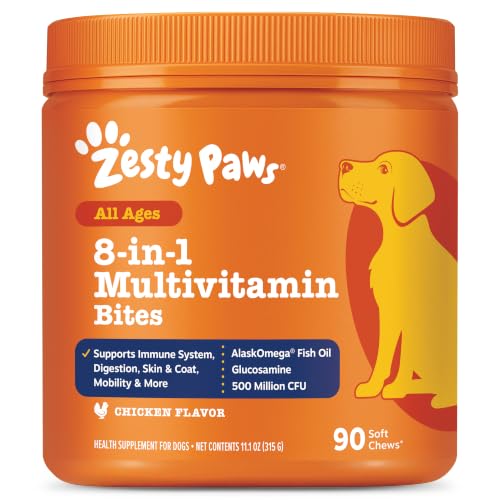
- Consider a dog vitamin supplement only if recommended by your vet.
Dental & Oral Health
Dental disease is the most common health problem in dogs over three years of age, yet it is almost entirely preventable. Poor dental health doesn't just cause bad breath and tooth loss — the bacteria involved can spread to the heart, liver, and kidneys, causing systemic damage.
Daily Dental Care
Brushing your dog's teeth daily is the gold standard for dental care. Use a dog-specific toothbrush and toothpaste — human toothpaste contains xylitol and fluoride, which are toxic to dogs. If daily brushing isn't possible, aim for at least three times per week. For dogs who resist brushing, dental chews and water additives can help reduce plaque, but they are not a substitute for brushing.
Our complete guide to dog dental care provides step-by-step instructions for brushing and other home care strategies. For professional cleanings, see our resource on dog dental cleaning.
Signs of Dental Problems
- Bad breath (halitosis)
- Yellow or brown tartar buildup on teeth
- Red, swollen, or bleeding gums
- Difficulty eating or chewing on one side
- Dropping food or refusing hard food
- Pawing at the mouth or face
- Loose or missing teeth
Senior Dog Health
Dogs age faster than humans, and their health needs change as they enter their senior years. The age at which a dog is considered senior varies by size: small breeds around 10–12 years, medium breeds around 8–10 years, large breeds around 7–8 years, and giant breeds around 5–6 years.
Common Age-Related Conditions
- Arthritis and joint pain: Stiffness, limping, and reluctance to move. Weight management, joint supplements, and veterinary pain relief help maintain mobility.
- Dental disease: Cumulative damage becomes more evident. Professional cleanings may be needed more frequently.
- Vision and hearing loss: Cloudy eyes, difficulty navigating, and not responding to calls. Adjust your home environment to keep your dog comfortable.
- Cognitive dysfunction: Confusion, disorientation, altered sleep patterns, and house soiling. Special diets and medications can help slow progression.
- Heart disease: Coughing, difficulty breathing, and exercise intolerance. Regular vet checkups can detect early signs.
- Kidney and liver disease: Increased thirst, weight loss, and changes in appetite. Bloodwork at twice-yearly exams helps monitor organ function.
Senior dogs benefit from specialized nutrition. Our guides on dog food for elderly dogs and senior dogs with sensitive stomachs provide practical feeding advice for aging companions.
Senior Care Tip: Keep your senior dog mentally and physically active. Gentle daily walks, puzzle toys, and short training sessions help maintain cognitive function and slow age-related decline.
Emergency Preparedness
Emergencies happen without warning. Being prepared can mean the difference between life and death for your dog. Knowing what to do — and what not to do — is essential for every dog owner.
Essential First Aid Kit
Every dog owner should have a well-stocked dog first aid kit at home and in the car. Essentials include:
- Gauze pads, non-stick bandages, and self-cling wrap
- Adhesive tape and scissors
- Antiseptic wipes and wound cleaner
- Digital thermometer (normal dog temperature is 101–102.5°F)
- Syringe (without needle) for flushing wounds or giving oral medication
- Muzzle (even friendly dogs may bite when in pain)
- Styptic powder for nail bleeds
- Tweezers for tick removal
- Emergency contact numbers: your vet, nearest emergency clinic, and poison control
When to Seek Emergency Care
Call your veterinarian or the nearest emergency animal hospital immediately if your dog experiences any of the following:
- Difficulty breathing or severe coughing
- Seizures or loss of consciousness
- Severe bleeding that won't stop
- Suspected poisoning (chocolate, grapes, xylitol, household chemicals)
- Broken bones or suspected spinal injury
- Eye injuries or sudden blindness
- Heat stroke (heavy panting, drooling, weakness, collapse)
- Inability to urinate or defecate
- Sudden severe pain or bloating (especially in large, deep-chested breeds)
Stay Calm: Your dog picks up on your stress. Speak calmly, handle gently, and muzzle if necessary to prevent biting. Keep your dog warm and quiet during transport.
Frequently Asked Questions
Your Dog's Health Is in Your Hands
Good health doesn't happen by accident — it's the result of consistent, informed care. Schedule regular vet visits, stay current on vaccinations and parasite prevention, feed a quality diet, and pay attention to subtle changes in your dog's behavior. The effort you invest today pays back in years of companionship and vitality. For more detailed guidance on specific conditions and products, explore our dog health resources and our recommended dog health products.