Dog Heartworm Prevention: The Complete Guide
Heartworm disease is one of the most dangerous — and most preventable — conditions affecting dogs today. Learn how to protect your dog with the right prevention strategy.
Heartworm disease is a serious and potentially fatal condition that affects dogs in every state across the country. It is caused by Dirofilaria immitis, a parasitic worm transmitted through mosquito bites. Once inside your dog, these worms migrate to the heart, lungs, and pulmonary blood vessels, where they grow up to 12 inches long and can live for 5 to 7 years.
The good news: heartworm disease is almost 100% preventable. With safe, effective, and affordable prevention options available, no dog should ever suffer from this entirely avoidable condition. This guide will walk you through everything you need to know about protecting your dog — from understanding how transmission works to selecting the right preventive for your dog's lifestyle.
What Is Heartworm Disease?
Heartworm disease is not a condition that develops overnight. When an infected mosquito bites your dog, it deposits microscopic larvae called microfilariae into the skin. Over the next several months, these larvae migrate through the bloodstream, eventually reaching the heart and pulmonary arteries where they mature into adult worms.
A single dog can harbor dozens — sometimes hundreds — of adult heartworms. These worms cause progressive damage to the heart, lungs, and blood vessels. The damage is often irreversible by the time symptoms appear, which is why prevention is so critical.
Key Fact: Heartworm disease has been diagnosed in all 50 U.S. states and in many countries worldwide. While historically more common in warm, humid regions, heartworm cases are now reported year-round in nearly every climate.
The American Heartworm Society recommends year-round prevention for all dogs, regardless of where they live.
The Heartworm Life Cycle
Understanding the life cycle helps explain why prevention works the way it does:
- Mosquito bites an infected dog: The mosquito ingests microfilariae (baby heartworms) from the infected dog's bloodstream.
- Larvae develop in the mosquito: Over 10-14 days, the microfilariae mature into infective larvae within the mosquito.
- Mosquito bites a healthy dog: The infective larvae are deposited onto the dog's skin and enter through the bite wound.
- Larvae migrate and mature: Over approximately 6 months, the larvae migrate through the dog's body and develop into adult heartworms in the heart and pulmonary arteries.
- Adult worms produce offspring: Mature female worms release new microfilariae into the bloodstream, continuing the cycle when another mosquito bites.
This timeline is important because most heartworm preventives work by killing the larvae during the first 6 weeks after infection — before they can mature into adult worms. If a dose is skipped and larvae mature past this window, prevention becomes ineffective and treatment becomes necessary.
How Dogs Get Heartworms
The only way a dog can get heartworms is through the bite of an infected mosquito. Heartworms cannot be transmitted directly from dog to dog, from dog to human, or through contact with blood, saliva, urine, or feces.
However, there are several factors that increase a dog's risk:
- Geographic location: Warm, humid climates with abundant mosquito populations see higher heartworm rates, but no region is risk-free.
- Time of year: Mosquito activity peaks in summer and early fall, but indoor heating and mild winters allow mosquitoes to survive year-round in many areas.
- Lifestyle: Dogs who spend time outdoors — hiking, camping, playing in the yard — face higher exposure. But even indoor dogs are at risk when mosquitoes enter the home.
- Age: While dogs of any age can become infected, outdoor puppies and young adults are diagnosed most frequently because they have not yet built any immunity.
- Prevention status: The single biggest risk factor is lack of consistent prevention. Dogs on year-round preventives have extremely low infection rates.
Important: Even "indoor-only" dogs need heartworm prevention. Studies have found that up to 25% of heartworm-positive dogs are considered indoor pets. Mosquitoes can slip through open doors, ride in on clothing, or enter through window screens.
Symptoms of Heartworm Infection
One of the most dangerous aspects of heartworm disease is that dogs often show no symptoms during the early stages. By the time signs appear, the worms have already caused significant damage to the heart and lungs.
Early Stage Symptoms (Often Subtle or Absent)
- Mild, occasional cough that may be mistaken for a hairball or allergy
- Slightly reduced energy during exercise or play
- Decreased appetite or subtle weight loss
Advanced Stage Symptoms
- Persistent cough: Often worse after exercise or excitement
- Exercise intolerance: Reluctance to play, walk, or climb stairs
- Difficulty breathing: Labored breathing even at rest
- Swollen abdomen: Fluid accumulation due to heart failure (ascites)
- Weight loss: Despite normal or increased appetite
- Lethargy: Unusual tiredness and reluctance to move
- Collapse or fainting: Caused by reduced blood flow to the brain
- Pale gums: A sign of poor circulation
Warning: If your dog shows any of these advanced symptoms, seek veterinary care immediately. Heartworm disease can progress to heart failure, caval syndrome (a life-threatening blockage of blood flow), and death if left untreated.
Types of Heartworm Prevention
There are several types of heartworm prevention available, each with different delivery methods and active ingredients. Understanding the options helps you work with your veterinarian to choose what's best for your dog.
Monthly Oral Chewables
Flavored tablets or soft chews given once monthly. Highly palatable for most dogs. Contain ivermectin, milbemycin, or moxidectin. Effective and convenient. Requires remembering monthly dosing. Examples include Heartgard Plus, Interceptor Plus, and Sentinel Spectrum.
Mid-range to PremiumTopical Spot-On Treatments
Liquid applied to the skin between the shoulder blades. Often combines heartworm prevention with flea and tick control. Good option for dogs who spit out pills. Requires keeping dogs away from water for several days after application. Examples include Revolution Plus and Advantage Multi.
Mid-range to PremiumInjectable Prevention
A single injection given by your veterinarian that protects for 6 to 12 months. Eliminates the risk of missed doses. Requires veterinary visits for administration. Ideal for owners who struggle with monthly compliance. Example: ProHeart 6 or ProHeart 12.
PremiumCombination Products
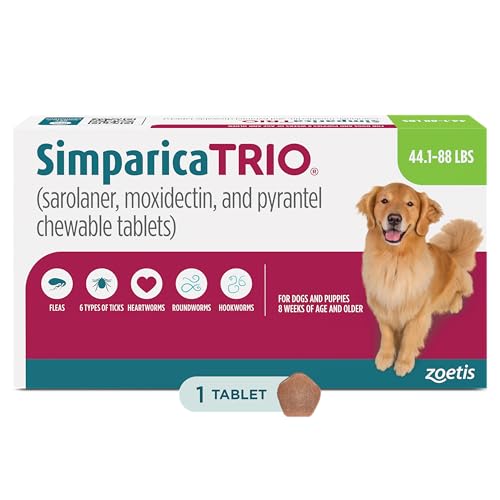
Preventives that combine heartworm protection with flea, tick, and intestinal parasite control in a single product. Convenient and cost-effective compared to buying separate products. Available in oral, topical, and injectable forms. Examples include Simparica Trio and Credelio Plus.
Mid-range to PremiumGeneric Options
Generic versions of brand-name preventives containing the same active ingredients. Significantly more affordable than brand names. Often available through veterinary clinics or online pharmacies. Always verify the product meets FDA or equivalent regulatory standards.
Budget-friendlyNatural & Holistic Approaches
Some owners explore natural mosquito repellents, dietary supplements, or herbal remedies. These are not proven to prevent heartworm disease and should never replace veterinary-recommended prevention. Speak with your vet before relying on any natural method alone.
Entry-level (not recommended as sole prevention)How Preventives Work
Most heartworm preventives work by killing the larvae during the first 4 to 6 weeks after infection. This is why consistency is critical — if a dose is missed and larvae mature beyond this window, the preventive can no longer eliminate them.
This is also why testing before starting prevention is important for dogs over 7 months of age. Giving a preventive to a dog with an adult heartworm infection can cause a dangerous reaction as the dying worms release toxins into the bloodstream.
Choosing the Right Prevention for Your Dog
There is no single "best" heartworm preventive — the right choice depends on your dog's individual needs, lifestyle, and your preferences as an owner. Here are the key factors to consider:
Factors to Discuss with Your Vet
- Your dog's age and weight: Preventives are dosed by weight, and some products are not approved for puppies under a certain age. Your vet will determine the appropriate product and dosage.
- Other parasite risks: If your dog is also at risk for fleas, ticks, or intestinal worms, a combination product may be more convenient and cost-effective than separate treatments.
- Breed sensitivities: Herding breeds (Collies, Australian Shepherds, Shetland Sheepdogs) may carry the MDR1 gene mutation, which can cause sensitivity to ivermectin. Your vet can recommend a safe alternative.
- Your dog's tolerance for medications: Some dogs refuse chewables, while others have sensitive skin that reacts to topicals. Matching the delivery method to your dog's preferences improves compliance.
- Your lifestyle and schedule: If you travel frequently, work long hours, or have difficulty remembering monthly doses, an injectable preventive given by your vet may be the most reliable option.
- Budget considerations: Generic preventives offer the same protection as brand names at a lower cost. Discuss affordable options with your veterinarian — prevention is always less expensive than treatment.
Prevention Comparison at a Glance
| Type | Frequency | Best For |
|---|---|---|
| Oral Chewable | Monthly | Most dogs; easy to give |
| Topical Spot-On | Monthly | Dogs who refuse pills |
| Injectable | 6-12 months | Owners who miss doses |
| Combination | Monthly | Dogs needing multi-parasite control |
| Generic | Monthly | Budget-conscious owners |
Testing & Monitoring
Heartworm testing is a critical part of any prevention program. Even dogs on consistent prevention should be tested annually to ensure the prevention is working and to catch any potential infections early.
When to Test
- Puppies under 7 months: Can start prevention without a test. However, they should be tested 6 months after starting prevention to confirm they were not infected before prevention began.
- Dogs over 7 months: Should be tested before starting a prevention program. If negative, start prevention immediately. If positive, treatment is required before prevention can begin.
- Adult dogs on prevention: Test annually, even with perfect compliance. No preventive is 100% effective, and annual testing ensures early detection if an infection occurs.
- Dogs with missed doses: Test 6 months after the missed dose and again 6 months later. If more than 8 weeks have passed since a missed dose, consult your vet about testing and restarting prevention.
Types of Heartworm Tests
- Antigen test: Detects proteins from adult female heartworms. This is the most common screening test. It can detect infections approximately 5-7 months after transmission.
- Microfilaria test: Detects baby heartworms in the bloodstream. Used in combination with antigen testing for more comprehensive screening.
- Antibody test: Detects the dog's immune response to heartworm larvae. Less commonly used because it cannot distinguish between current and past infections.
- X-rays and ultrasound: Used to assess the severity of infection and damage to the heart and lungs in dogs who test positive.
Annual Testing Is Essential: The American Heartworm Society recommends annual antigen testing for all dogs, even those on year-round prevention. This ensures that if an infection occurs, it is caught early when treatment is most successful.
Treatment vs. Prevention: Why Prevention Always Wins
Treating heartworm disease is a lengthy, expensive, and potentially dangerous process. Understanding the difference between prevention and treatment makes it clear why prevention is always the better choice.
| Aspect | Prevention | Treatment |
|---|---|---|
| Cost | Affordable monthly or injectable | Extremely expensive, often multiple treatments |
| Safety | Very safe for most dogs | Requires arsenic-based injections, risky for dogs with health issues |
| Duration | Ongoing monthly or periodic injection | Several months of treatment and recovery |
| Exercise Restriction | None | Strict crate rest for 4-8 weeks to prevent complications |
| Effectiveness | Highly effective when used consistently | Can be successful but carries significant risks |
| Dog's Experience | Minimal to no discomfort | Painful injections, possible side effects, extended recovery |
What Treatment Involves
If a dog tests positive for heartworms, treatment typically follows this protocol:
- Confirmation and staging: Additional tests determine the severity of the infection and the dog's overall health.
- Stabilization: Dogs with severe symptoms may need medications to manage heart failure, inflammation, or secondary infections before treatment can begin.
- Adulticide injections: A series of deep intramuscular injections of melarsomine, an arsenic-based drug, are given to kill adult worms. This is painful and requires hospitalization.
- Strict exercise restriction: For 4 to 8 weeks after treatment, the dog must be kept calm and quiet. Physical activity during this time can cause dying worms to block blood vessels, leading to fatal complications.
- Follow-up testing: Retesting is done 6 months after treatment to confirm the infection has been cleared.
- Prevention restart: Once cleared, prevention begins immediately to prevent reinfection.
The Bottom Line: Heartworm treatment is risky, uncomfortable for your dog, and extremely expensive. Prevention costs a fraction of treatment and keeps your dog healthy. It is one of the most important — and easiest — things you can do for your dog's long-term health.
Common Heartworm Prevention Mistakes
These mistakes are made by well-meaning owners every day. Avoiding them could save your dog's life.
- Stopping prevention during winter. Mosquitoes can survive indoors and in mild winter climates. Year-round prevention is recommended for all dogs.
- Skipping doses. Missing even one dose creates a gap in protection. If a dose is missed, consult your vet immediately and test 6 months later.
- Giving preventives to untested dogs over 7 months. Always test before starting prevention in adult dogs. Giving a preventive to a dog with adult heartworms can cause a dangerous reaction.
- Assuming indoor dogs are safe. Mosquitoes frequently enter homes. Indoor-only dogs still need protection.
- Using expired or improperly stored preventives. Check expiration dates and store products according to label instructions. Heat and moisture can degrade effectiveness.
- Not testing annually. Annual testing ensures your prevention is working and catches any infections early.
- Relying on natural remedies alone. No natural product is proven to prevent heartworm disease. Use veterinary-recommended prevention as your primary strategy.
- Split-dosing to save money. Cutting preventives to make them last longer leaves your dog unprotected. If cost is a concern, talk to your vet about affordable generic options.
Frequently Asked Questions
Protect Your Dog Today
Heartworm disease is 100% preventable, yet thousands of dogs are diagnosed every year because of inconsistent prevention, missed doses, or the mistaken belief that their dog isn't at risk. Talk to your veterinarian about the best prevention option for your dog's lifestyle. Whether you choose a monthly chewable, a topical treatment, or an injectable preventive, the most important thing is consistency. Your dog depends on you for protection — and prevention is one of the simplest, most effective ways to show you care.