Dog Skin Problems: Complete Guide to Symptoms, Causes & Treatment
Skin conditions are among the most frequent reasons for veterinary visits. Learn to identify common issues, from allergies to infections, and discover effective treatments to restore your dog's comfort and coat health.
Your dog's skin is the largest organ and the first line of defense against environmental threats. When skin problems arise, they cause intense discomfort, secondary infections, and can signal deeper health issues. Over 30% of all dog health complaints involve the skin. From relentless scratching to hair loss and foul odor, skin disease affects quality of life dramatically. This guide equips you with veterinary-level knowledge to recognize, treat, and prevent common dog skin problems using both professional and supportive home care.
Most Common Dog Skin Problems
🐾 Allergic Dermatitis
Environmental (pollen, dust mites), flea allergy, or food allergy. Intense itching, red skin, recurrent ear infections. Breeds like Bulldogs and Retrievers are predisposed.
🦠 Bacterial Infections (Pyoderma)
Pustules, crusting, circular lesions, and hair loss. Often secondary to allergies. Requires antibiotics, medicated shampoos.
🍄 Fungal/Ringworm
Circular hairless patches, scaling, brittle claws. Zoonotic (transmissible to humans). Treated with antifungal dips/oral meds.
🔥 Hot Spots (Acute Moist Dermatitis)
Red, oozing, painful lesions that spread rapidly. Triggered by biting/licking. Clip hair, clean, use topical treatment and e-collar.
🐛 Parasitic (Mange & Fleas)
Sarcoptic mange (intense itching, crusty ears/elbows) or Demodectic mange (localized hair loss). Parasite prevention is key.
🧴 Seborrhea
Greasy or dry scales, dandruff, musty odor. Can be primary or secondary to other diseases. Specialized dog shampoos control symptoms.
Root Causes & Risk Factors
- Nutritional factors: Low-quality diets lacking omega fatty acids worsen skin barrier function. Food allergies to proteins (beef, chicken, dairy) trigger chronic itching.
- Environmental allergens: Pollens, mold, house dust mites – seasonal or perennial. Atopic dermatitis affects 10-15% of dogs.
- Flea infestation: Flea allergy dermatitis (FAD) is the #1 cause of canine dermatitis. One flea bite can cause weeks of misery.
- Hormonal imbalances: Hypothyroidism, Cushing’s disease often cause symmetrical hair loss, thin skin, and secondary infections.
- Genetic predisposition: Breeds like Westies, Shar-Peis, and French Bulldogs have higher risks for specific skin diseases.
- Poor grooming/humidity: Matted coats trap moisture leading to bacterial overgrowth; dry air causes flaky skin.
- Stress & boredom: Over-grooming, licking, chewing create self-trauma and acral lick dermatitis.
Did you know? Chronic scratching can lead to lichenification (thickened, leathery skin) and permanent hyperpigmentation. Early intervention saves your dog months of suffering.
When to See a Veterinarian
While mild dandruff or a minor scrape can be managed at home, you should schedule a vet visit if your dog exhibits any of the following:
- Non-stop scratching, biting, or rubbing that disrupts sleep or daily activities.
- Hair loss in patches or over large areas.
- Open sores, crusting, bleeding, or oozing lesions.
- Foul “yeasty” or infected odor from skin or ears.
- Lethargy, fever, or appetite loss accompanied by skin issues.
- No improvement after 1 week of consistent home care (bathing, parasite control).
Your veterinarian will perform skin scrapings, cytology, fungal cultures, allergy testing, or blood work to pinpoint the exact cause. For chronic cases, referral to a veterinary dermatologist may be needed. Explore our detailed dog health guide for more insights.
Treatment Options: From Vet Prescriptions to Home Care
Always consult your vet before starting treatments. The right plan depends on accurate diagnosis. Misusing steroids or antifungals can worsen conditions.
Veterinary Medical Treatments
- Antibiotics & antifungals: Oral or topical meds for bacterial/yeast/fungal infections (e.g., cephalexin, fluconazole).
- Allergy medications: Apoquel, Cytopoint injection, or antihistamines for atopic dermatitis. Corticosteroids for severe flare-ups (short term).
- Parasiticides: Prescription flea/tick preventatives (NexGard, Bravecto) and anti-mite treatments (ivermectin).
- Immunotherapy: Custom allergy shots for environmental allergies – long-term solution.
Supportive Home & Natural Remedies
- Therapeutic shampoos: Medicated baths with chlorhexidine, ketoconazole, or oatmeal-based formulas every 3-7 days as directed. See top dog shampoos for skin problems.
- Omega-3 fatty acid supplements: Fish oil reduces inflammation and improves skin barrier. Look for high-quality dog supplements with EPA/DHA.
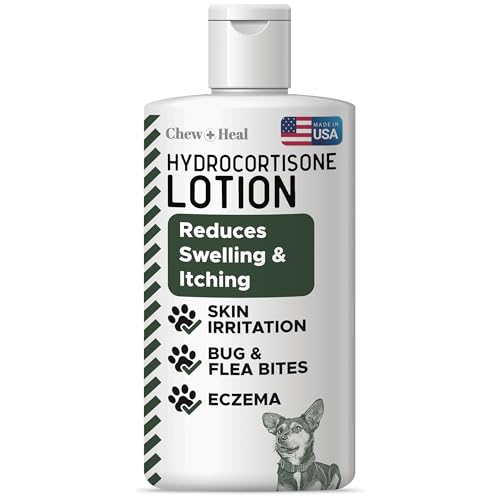
- Topical sprays & wipes: Hydrocortisone or antifungal sprays for localized hot spots.
- Dietary adjustments: Hypoallergenic or limited ingredient diets. Consider raw dog food or home-cooked under vet guidance.
- E-collar (cone): Prevent licking/chewing to allow healing. Essential for hot spots and surgery sites.
🐕 Pro Tip: Adding coconut oil (1 tsp per 10 lbs body weight) to meals and using it as a spot moisturizer can soothe dry, cracked skin. Always introduce new supplements gradually.
Prevention & Long-term Skin Health
Proactive care reduces the recurrence of skin problems and keeps your dog's coat glossy. Integrate these habits:
- Year-round parasite control: Monthly preventatives for fleas, ticks, and mites. Check our top flea treatments to protect your dog.
- Regular grooming & brushing: Removes dead hair, distributes oils, improves air circulation. Specific dog grooming techniques for double-coated breeds prevent matting.
- Balanced, high-quality diet: Diets rich in animal protein, omega-3s, and limited fillers. If your dog has allergies, consider a novel protein or hydrolyzed diet.
- Control humidity and allergens: Use air purifiers, wash bedding weekly, and wipe paws after walks to reduce environmental allergen exposure.
- Routine ear & paw checks: Skin issues often start in ears and between toes. Use vet-approved cleaners.
Best Products for Managing Dog Skin Problems
Based on veterinary recommendations and real owner reviews, the following types of products can dramatically improve your dog's skin health: medicated shampoos, allergy relief supplements, omega oils, and prescription-strength topicals. Below you will find our curated selection from trusted brands – each linked through our affiliate partnerships to help you shop conveniently.
For additional reading: many skin problems are linked to chronic ear infections, and certain breeds like spaniels or terriers have higher risks. Taking a holistic approach that includes mental stimulation (reduces stress licking) and proper exercise from daily exercise guidelines will also support immune function.
Frequently Asked Questions about Dog Skin Problems
💡 Final Word: Most dog skin problems are manageable with correct diagnosis and consistent care. By combining professional treatment with high-quality dog products (shampoos, supplements, flea prevention) you can restore your dog's skin health and comfort. If you're bringing home a new puppy, start prevention early – read our complete puppy guide to build healthy habits from day one.