Dog Training: Science‑Based Methods That Work
From basic commands to solving problem behaviors – build a confident, well‑mannered dog using positive reinforcement. Practical techniques backed by modern behavioral science.
Training is the foundation of a harmonious relationship with your dog. A well‑trained dog is not only a pleasure to live with, but also safer, less stressed, and more confident. Whether you have a new puppy or an adult rescue, modern, force‑free methods allow you to teach desired behaviors while strengthening your bond. This guide walks you through every step — from basic cues to tackling aggression and preparing for agility training.
Why Training Is Non‑Negotiable
Many owners think training is only about "obedience", but it actually improves every aspect of your dog's life. Dogs who receive consistent, reward‑based training develop better impulse control, are less likely to develop anxiety, and cope with novel situations more easily. A 2021 study showed that dogs trained with positive methods had lower cortisol (stress hormone) levels and were more eager to learn new tasks.
Real‑world benefits: A reliable recall can save your dog’s life if they slip out of the door. A solid “leave it” prevents poisoning from dropped medication or toxic food. Loose‑leash walking makes daily walks enjoyable rather than a shoulder‑straining tug‑of‑war.
Positive Reinforcement: The Gold Standard
Positive reinforcement means adding something your dog likes (treat, toy, praise) immediately after a desired behavior, making that behavior more likely to repeat. This method has been endorsed by the American Veterinary Society of Animal Behavior and leading animal welfare organizations. In contrast, punishment (yelling, leash corrections, shock collars) can increase fear and aggression.
How to Apply It Correctly
- Timing is everything: Mark the exact moment of the correct behavior with a clicker or a word (“yes!”), then deliver the reward within 1–2 seconds.
- Use high‑value rewards: For new or difficult behaviors, use tiny, soft, smelly treats (boiled chicken, cheese). For known behaviors, you can use kibble or life rewards (play, sniffing).
- Shape behavior incrementally: Reward small steps toward the final goal. For “down”, first reward eye contact, then any lowering of the head, then elbows down, etc.
- Fade the lure: Transition from luring with a treat in hand to using an empty hand signal, then add the verbal cue.
Learn more about science‑based techniques at positive reinforcement training and clicker training for dogs.
Why It Works
- Dogs repeat actions that produce pleasant outcomes — it’s basic learning theory.
- Builds enthusiasm for training; your dog will actively offer behaviors.
- Strengthens trust and communication, reducing fear‑based reactions.
- Effective for all breeds, ages, and temperaments, including shy or reactive dogs.
10 Essential Commands & How to Teach Them
Master these core cues, and you'll be able to handle 90% of everyday situations. Each command is taught using positive reinforcement; follow the step‑by‑step links for detailed instructions.
- Sit – The foundation. Lure nose up and back, reward when bottom hits floor. Detailed sit guide.
- Down – Lure from sit to floor with treat between paws. For reluctant dogs, capture natural downs.
- Stay – Start with 1 second, add distance and duration separately. Progressive stay training.
- Come (recall) – Use a long line in a low‑distraction area. Never punish coming slowly. Emergency recall tips.
- Leave it – Place a low‑value item on floor, cover with hand, reward when dog looks away. Transfer to higher distractions.
- Drop it – Trade a toy for a treat. Practice with low‑value items first. Also stops destructive chewing.
- Loose‑leash walking – Stop when leash tightens, reward when slack returns. Use front‑clip harness as a management tool.
- Place / Mat – Teach dog to go to a designated spot and relax. Invaluable for visitors and mealtimes.
- Wait – For doorways, car exits. Different from stay (shorter duration, more movement allowed).
- Watch me – Eye contact is a gateway to better focus. Hold treat near your face, reward eye contact.
For a complete curriculum, visit our comprehensive dog training resource hub with video demonstrations and troubleshooting tips.
Solving Common Problem Behaviors
Many behavior issues stem from lack of training, exercise, or underlying medical problems. Always rule out pain or illness with a vet before starting a behavior modification plan.
Excessive Barking
Identify the function: alert, boredom, fear, or demand. Provide mental stimulation, teach “quiet” by rewarding short silences, and manage triggers. Stop barking guide.
Jumping on People
Turn away, ignore until all four paws on floor, then reward. Ask guests to do the same. Teach an alternative like “sit” for greetings. Jumping solutions.
Nipping & Biting
Especially common in puppies. Yelp and stop play, redirect to a toy. For adult dogs, consult a behavior professional. Stop biting protocol.
Destructive Chewing
Provide appropriate chew toys, puppy‑proof your home, and increase exercise. Bitter sprays can deter, but management is key. Prevent chewing damage.
Digging
Create a designated digging zone (sandbox), supervise outdoor time, and increase physical/mental outlets. Stop digging effectively.
Separation Anxiety
Gradual desensitization to departures, avoid big greetings, consider using calming products and consult a certified separation anxiety specialist.
Pro tip: Most problem behaviors worsen if punished. Instead, manage the environment and reinforce incompatible behaviors. For aggression or severe anxiety, seek help from a veterinary behaviorist.
Advanced Training & Dog Sports
Once your dog has mastered basic cues, advanced training provides extra mental challenge and strengthens your bond. Consider these exciting activities:
- Off‑leash reliability: Progress from long line to fenced areas, using variable rewards. Off‑leash training steps.
- Therapy dog work: Bring comfort to hospitals and schools. Requires advanced socialization and temperament testing. Therapy dog certification.
- Agility: Navigate tunnels, jumps, and weave poles. Great for high‑energy breeds. Get started with agility.
- Trick training: Teach "play dead", "spin", "take a bow" – fun and mentally enriching. Trick training ideas.
- Scent work / nosework: Tap into your dog’s natural sniffing ability. Low‑impact and perfect for shy dogs.
- Service dog tasks: For individuals with disabilities, specialized training for mobility, alert, or psychiatric support. Service dog requirements.
Best Training Tools & Equipment
Effective training requires minimal but quality gear. Avoid harsh tools; focus on comfort and safety.
Recommended Gear
- Flat collar or front‑clip harness – Safe for daily walks. Best harnesses for training.
- 4‑6 foot leash – Standard cotton or nylon, not retractable. Leash buying guide.
- Clicker – Precise marker for capturing behaviors. Inexpensive and durable.
- High‑value treats – Soft, pea‑sized, easy to chew quickly. Freeze‑dried liver or boiled chicken.
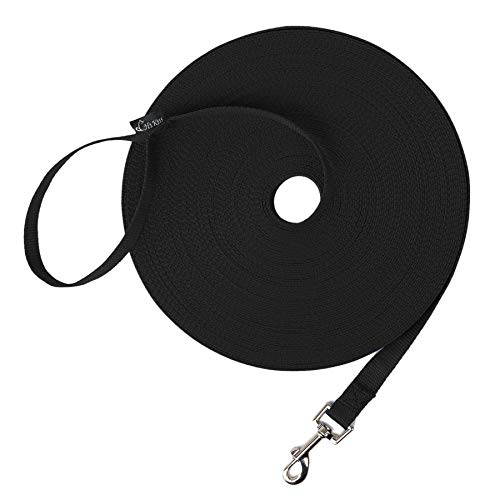
- Long line (15‑30 ft) – For recall and distance work in open areas.
- Puzzle toys / treat dispensers – Mentally stimulate while rewarding calmness. Best puzzle toys.
Tools to Avoid
- Choke chains, prong collars, shock collars – cause pain, fear, and may increase aggression.
- Retractable leashes – no control, risk of burns and sudden jerks.
- Dominance collars or “training” sprays – unnecessary and potentially harmful.
For a full checklist, visit dog training equipment and common training mistakes.
7 Training Mistakes That Slow Progress
- Inconsistent cues: Using different words or hand signals confuses your dog. Stick to one cue per behavior across family members.
- Too long sessions: Dogs learn best in short (5‑10 min), high‑focus sessions. Stop before frustration builds.
- Rewarding the wrong behavior: Giving attention when a dog jumps or barks inadvertently reinforces that behavior.
- Skipping proofing: A dog that sits in your living room may not sit at the park. Gradually add distractions and distance.
- Using punishment for house soiling: It only teaches fear of elimination in your presence, not to avoid indoor potty.
- Ignoring the dog’s emotional state: Overtired, stressed, or over‑aroused dogs cannot learn. Take breaks.
- Not training daily: Sporadic training leads to slow results. Even 5 minutes a day makes a huge difference.
Training for Puppies & Senior Dogs
Puppies (8 weeks – 1 year): The critical socialization period ends by 14 weeks. Focus on positive exposure to people, dogs, surfaces, and sounds. Start crate training and potty training immediately. Puppy classes are highly recommended. Learn more with our complete puppy guide and puppy basic commands.
Senior dogs (7+ years): Older dogs absolutely can learn new things! They may have arthritis or sensory decline, so use softer treats, shorter sessions, and avoid high‑impact activities. Training provides mental stimulation that slows cognitive decline. For joint support, see joint health supplements and consider senior dog diet adjustments.
Frequently Asked Questions About Dog Training
Start today, stay consistent. Even five minutes of focused training each day will transform your dog’s behavior within weeks. Remember that every interaction is a training opportunity — reward the good, manage the environment to prevent the bad, and always be your dog’s safe place. You’ve got this!