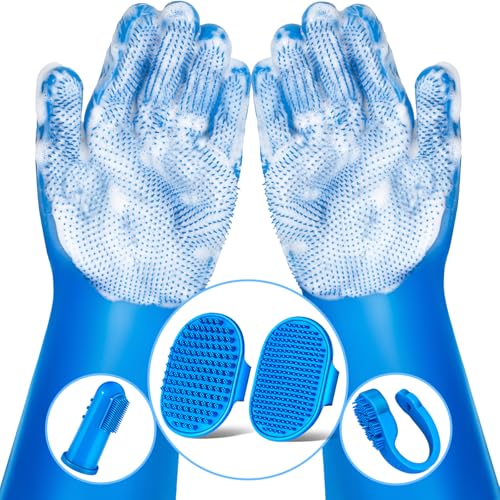
The Complete Guide to Dog Bathing
Learn how to make bath time a safe, stress-free, and bonding experience for you and your dog. From choosing the right shampoo to mastering the drying process, we cover everything you need to know.
Bath time doesn't have to be a battle. For many dog owners, the thought of bathing their dog brings up images of wet fur flying, frantic scrambling, and a soaked bathroom. But with the right approach, bathing can be a calm, positive experience that keeps your dog clean, healthy, and happy.
Regular bathing is about more than just eliminating "doggy odor." It's an essential part of your dog's overall health routine. A good bath removes dirt, dander, and allergens from the coat, helps control parasites like fleas and ticks, and gives you a chance to inspect your dog's skin for lumps, bumps, or irritations. Whether you're dealing with a smelly pup who rolled in something unmentionable or you're looking to establish a regular grooming routine, this guide will walk you through everything you need to know about dog bathing.
How Often Should You Bathe Your Dog?
The question of frequency is one of the most debated topics in dog care. The answer depends on your dog's breed, coat type, lifestyle, and skin condition. There is no one-size-fits-all schedule, but there are general guidelines you can follow.
For most healthy dogs with a normal coat, bathing every 2 to 3 months is sufficient. Dogs are self-cleaning to a degree, and their coats produce natural oils that protect the skin and keep the fur healthy. Over-bathing strips these oils, leading to dry, itchy skin and a dull coat.
However, some dogs need more frequent baths. Dogs with certain skin conditions, such as allergies or seborrhea, may require medicated baths as often as once a week, as prescribed by your veterinarian. Dogs who spend a lot of time outdoors, swim frequently, or get into messy situations will also need more frequent bathing. If your dog has a skin problem or allergies, your vet is the best resource for a bathing schedule that supports their treatment plan.
Factors Affecting Bathing Frequency:
• Breed & Coat Type: Short-coated breeds can go longer between baths, while long, curly coats need more frequent attention.
• Lifestyle: An active outdoor dog will get dirtier faster than a couch potato.
• Skin Health: Dogs with skin issues may need medicated baths on a strict schedule.
• Odor: If your dog smells bad, it's time for a bath, regardless of the last one.
Essential Bathing Supplies
Before you even turn on the water, gather everything you need. Having all supplies within arm's reach prevents you from having to leave a wet, possibly anxious dog alone in the tub.
- Dog-Specific Shampoo: Never use human shampoo. Choose a formula appropriate for your dog's skin and coat type. You can find a wide selection in our dog shampoo guide.
- Conditioner (Optional): A dog conditioner can help detangle long coats and add moisture. This is especially helpful for dogs with dry or damaged fur.
- Washcloth or Sponge: For cleaning your dog's face gently.
- Cotton Balls: Place these gently in your dog's ears to prevent water from entering the ear canal.
- Towels: Have at least two or three absorbent towels ready. Microfiber towels are excellent for soaking up water quickly.
- Pet-Specific Blow Dryer (Optional): If your dog tolerates it, a pet dryer on a low setting can help dry the coat thoroughly, especially for double-coated breeds.
- Brush or Comb: Use this before and after the bath to remove tangles and loose fur.
- Non-Slip Mat: Placing a non-slip mat in the tub or sink can help your dog feel more secure and prevent slipping.
- Treats: High-value treats are essential for creating a positive association with bath time.
Choosing the Right Dog Shampoo
The shampoo you choose is critical. The wrong shampoo can cause skin irritation, dryness, and allergic reactions. The right one can soothe irritated skin, add shine, and make your dog smell great.
Types of Dog Shampoos
- General Purpose/Everyday Shampoos: These are gentle, balanced formulas designed for regular use on healthy coats. They are the entry-level option for most dogs.
- Medicated Shampoos: These are formulated to treat specific skin conditions like bacterial infections, fungal infections (like yeast), or parasites. They should only be used under the guidance of a veterinarian.
- Hypoallergenic Shampoos: These are formulated for dogs with sensitive skin or known allergies. They are free of common irritants like fragrances, dyes, and certain preservatives.
- Oatmeal Shampoos: These contain colloidal oatmeal, which is known for its soothing and anti-itch properties. They are a mid-range option great for dogs with dry, itchy skin.
- Whitening/Brightening Shampoos: These are designed for dogs with white or light-colored coats. They often contain optical brighteners or mild bleaching agents to enhance the coat's color.

Pro Tip: If you're unsure which shampoo is best for your dog, consult your veterinarian. They can recommend a specific type based on your dog's skin health and any underlying conditions. For dogs with sensitive skin, a gentle flea and tick treatment should also be considered as part of their overall care.
Step-by-Step Bathing Guide
Follow these steps to make the bathing process as smooth and effective as possible.
- Prepare Your Dog: Before the bath, give your dog a thorough brushing to remove loose fur and tangles. Tangles become tighter and harder to remove when wet. This is also a good time to trim your dog's nails if needed.
- Prepare the Area: Place a non-slip mat in the tub or sink. Fill the tub with a few inches of lukewarm water. The water should be comfortably warm to the touch, like bathwater for a baby. Never use hot water.
- Protect the Ears: Gently place a cotton ball in each of your dog's ears. This prevents water from entering the ear canal, which can lead to ear infections. Be careful not to push them in too far.
- Wet Your Dog: Using a cup or a handheld sprayer on a low-pressure setting, wet your dog's coat thoroughly. Start from the neck and work your way down the body, avoiding the head and face. Make sure you get down to the skin, as this is where dirt and dander accumulate.
- Apply Shampoo: Pour a small amount of dog shampoo into your hand and lather it. Start applying it to your dog's back and work it into the coat. Massage it gently into the skin. Avoid getting shampoo in your dog's eyes, ears, and mouth.
- Wash the Face: For the face, use a damp washcloth with a tiny amount of shampoo to gently wipe around the eyes, muzzle, and ears. Be very careful not to get soap in the eyes. Rinse the cloth thoroughly and wipe the face again to remove all soap residue.
- Rinse Thoroughly: This is the most important step. Rinsing is tedious but crucial. Any leftover shampoo residue will cause itching and irritation. Rinse your dog with clean, lukewarm water until the water runs completely clear and you can no longer feel any slippery soap on the coat. This may take longer than you think.
- Apply Conditioner (Optional): If you are using a conditioner, apply it now, following the instructions on the bottle. Let it sit for the recommended time, then rinse thoroughly.
- Remove Cotton Balls: Once you are done rinsing, gently remove the cotton balls from your dog's ears.
The Drying Process
Drying your dog properly is just as important as the bath itself. A damp coat can lead to skin problems, especially in double-coated breeds where moisture can get trapped in the undercoat.

- Towel Drying: This is the first and most important step. Use an absorbent towel to squeeze and blot as much water as possible from your dog's coat. Avoid vigorous rubbing, which can cause tangles. For double-coated breeds, use a towel to squeeze water from the undercoat. You can also use a high-velocity pet dryer if your dog is comfortable with it.
- Air Drying: Many dogs can air dry in a warm, draft-free room. However, this can take a long time, and a damp coat can become a breeding ground for bacteria and yeast.
- Blow Drying: If your dog tolerates it, using a pet-specific blow dryer on the lowest heat and speed setting can be very effective. Keep the dryer moving at all times and hold it at least 12 inches away from your dog's skin to prevent burns. Never use a human hair dryer on a high heat setting. If your dog is nervous, you can use a calming product to help them relax.
- Final Brush: Once your dog is completely dry, give them a final brush to remove any loose fur and make their coat look smooth and shiny.
Troubleshooting: Dogs Who Hate Baths
If your dog is fearful of baths, it's important to address the problem with patience and positive reinforcement, not force. Forcing a fearful dog into a bath can make the fear worse and damage your bond.
- Start Slow: Don't start with a full bath. Begin by just getting your dog comfortable in the bathroom. Give treats and praise. Then, try putting them in the empty tub, then the tub with a little water, and so on.
- Make it Positive: Use high-value treats that your dog only gets during bath time. Offer them frequently, especially during the scariest parts. Speak in a calm, happy, and soothing voice.
- Address Slips and Falls: A non-slip mat is a game-changer. Many dogs are scared of baths because they feel unstable and slip. A mat gives them confidence.
- Use the Right Water Temperature: Water that is too hot or too cold is uncomfortable. Lukewarm water is best.
- Consider a Professional Groomer: If your dog is extremely fearful or aggressive, or if you have a very large, powerful breed, a professional groomer may be the safest and most humane option. They have the experience and equipment to handle difficult dogs. If your dog has anxiety, a groomer or vet can provide guidance on calming techniques.
Special Considerations for Different Coats
Different coat types require different bathing approaches. Using the wrong technique can cause matting, skin irritation, or coat damage.
Double-Coated Breeds
Breeds like Huskies, Golden Retrievers, and German Shepherds have a dense undercoat. When bathing, it's crucial to get water and shampoo all the way down to the skin. You must rinse thoroughly and dry completely. If the undercoat stays damp, it can lead to hot spots and skin infections. Using a high-velocity dryer is almost essential for these breeds. If you need a grooming tool, a good dog brush for de-shedding is vital.
Curly-Coated Breeds
Poodles, Bichons, and Doodles have hair that grows continuously and is prone to matting. These dogs need frequent grooming and bathing. Before bathing, you must brush out all tangles, or they will tighten and become impossible to remove. Use a conditioner to help with detangling, and dry the coat thoroughly, brushing as you go to prevent curls from matting.
Smooth/Short-Coated Breeds
Beagles, Boxers, and Dalmatians are generally easier to bathe. Their short coats don't mat easily. The main challenge is that they can get cold quickly. Make sure the room is warm, use lukewarm water, and dry them off quickly with a towel.
Puppies
Puppies should not be bathed too often. Wait until they are at least 8 weeks old and have had their first vaccinations. Use a very gentle, puppy-specific shampoo. Make the experience positive and brief. Never let a puppy get cold. For a full guide on puppy care, including bathing, see our puppy guide.
Common Bathing Mistakes to Avoid
Avoid these common pitfalls to keep bath time safe and effective for your dog.
- Using Human Shampoo: This is the most common mistake. Human shampoo is too harsh for a dog's skin and disrupts its natural pH balance, leading to dryness and itching.
- Not Rinsing Enough: Leftover shampoo is a major cause of post-bath itching and skin irritation. Rinse, rinse, and rinse again.
- Getting Water in the Ears: Water trapped in the ear canal creates a moist environment that is perfect for yeast and bacteria to grow, leading to painful ear infections. Always use cotton balls.
- Bathing Too Often: Unless medically necessary, over-bathing strips the coat of its natural oils. Stick to a schedule that suits your dog's needs.
- Using Water That's Too Hot: Hot water can burn your dog's skin and dry out their coat. Lukewarm is always best.
- Forcing a Fearful Dog: This damages trust and makes future baths even harder. Work with your dog at their pace.
- Not Drying Properly: A damp coat, especially on a double-coated breed, can lead to skin problems. Ensure your dog is completely dry before letting them run off.
Frequently Asked Questions
Making Bath Time a Positive Experience
Bathing your dog is a necessary part of responsible pet ownership. By approaching it with patience, preparation, and positive reinforcement, you can turn a stressful chore into a bonding experience. Remember to use the right supplies, choose a suitable shampoo, and always prioritize your dog's comfort and safety. For more tips on keeping your dog healthy and happy, explore our other dog care guides.