Dog Ear Cleaning: The Complete Safe Guide
Learn how to clean your dog's ears correctly at home — prevent infections, remove wax safely, and keep your dog comfortable with this step-by-step professional guide.
Regular ear cleaning is one of the most overlooked but essential parts of dog care. Unlike humans, a dog's ear canal is L-shaped — vertical then horizontal. This anatomy traps moisture, wax, and debris, making dogs prone to painful ear infections. Learning to clean your dog's ears properly at home saves you costly vet visits and keeps your furry friend healthy.
In this guide, you'll discover exactly what supplies you need, a safe step-by-step cleaning method, how often to clean based on your dog's breed, and warning signs that require a veterinarian. By the end, you'll feel confident handling this routine grooming task.
Why Regular Ear Cleaning Is Crucial
Dogs with healthy ears have pale pink, dry, and odor-free ear canals. When debris builds up, it creates a breeding ground for bacteria and yeast. Chronic ear infections are not only painful but can lead to scarring and hearing loss. Routine cleaning removes excess wax, dirt, and moisture before problems start.
Certain dogs are much more prone to ear issues. Breeds with floppy ears like Cocker Spaniels, Basset Hounds, and Spaniel breeds have poor air circulation. Dogs with hairy ear canals (e.g., Poodles, Schnauzers) trap more debris. And dogs with allergies or those who swim frequently also need extra attention. If you own any of these, weekly ear checks are non-negotiable.
Understanding Your Dog's Ear Anatomy
The dog's ear has three parts: outer (pinna and canal), middle, and inner ear. The vertical and horizontal canal shape means you cannot see down to the eardrum. That's why you should never insert cotton swabs or anything pointed — you risk pushing debris deeper or puncturing the eardrum. Proper cleaning only involves the visible part of the ear canal.
Signs Your Dog Needs Ear Cleaning (or Vet Visit)
Before cleaning, assess your dog's ears. Look for these signs:
- Normal ears: Pink, dry, minimal wax, no smell. → Routine cleaning okay.
- Wax buildup: Visible brownish wax, no redness or odor. → Cleaning needed.
- Possible infection: Redness, swelling, dark discharge, foul smell, head shaking, scratching, or pain when touched. → Do not clean at home; see a vet immediately. Cleaning an infected ear can worsen the condition.
Read more about dog ear infections: symptoms and treatments to know when professional help is required.
Essential Ear Cleaning Supplies
Using the right products makes cleaning safe and effective. Avoid home remedies like vinegar, hydrogen peroxide, or alcohol — these irritate delicate ear tissue.
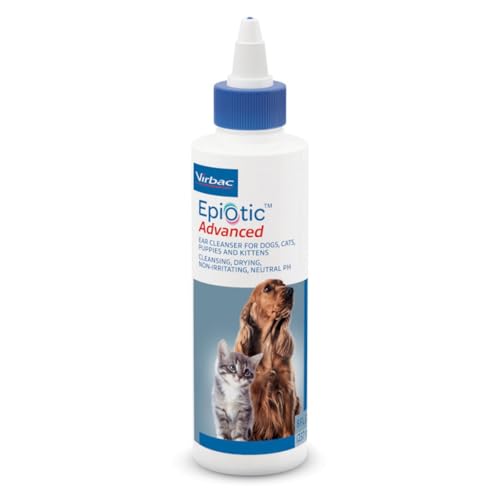
🐾 Veterinary Ear Cleaner
pH-balanced, non-irritating formula. Look for drying agents (e.g., salicylic acid) for floppy-eared dogs. Approx. $8–$20
🧴 Cotton Balls or Gauze
Soft, absorbent, and safe. Never use cotton swabs (Q-tips) inside the canal. Approx. $3–$7
🍖 High-Value Treats
Positive reinforcement makes ear cleaning a positive experience. Soft treats work best. Approx. $5–$15
🧴 Optional: Ear Powder
For dogs with heavy hair in the ear canal, powder helps grip hair for plucking (ask your vet/groomer). Approx. $10
You can find these supplies at pet stores or online. Many are available through our recommended dog products section at the bottom of this page, including top-rated ear cleaners.
Step-by-Step: How to Clean Your Dog's Ears Safely
Follow these steps exactly to avoid injury and maximize effectiveness. Prepare everything before you start.
- Choose a calm environment. Have your dog sit or lie down. Use treats to create a positive association. If your dog is nervous, start by just touching the ears for a few days.
- Inspect the ear. Look for redness, swelling, discharge, or odor. If any infection signs are present, stop and call your vet.
- Apply ear cleaner. Gently lift the ear flap (pinna) and squeeze the recommended amount (usually 5–10 drops) into the ear canal. Do not touch the tip to the ear to avoid contamination.
- Massage the base. For 20–30 seconds, gently massage the area below the ear opening (the vertical canal). You'll hear a squishing sound — that's the solution loosening debris.
- Let your dog shake. Step back and allow your dog to shake its head. This brings loosened wax and cleaner up to the outer ear. (Protect your walls!)
- Wipe away debris. Use a cotton ball or gauze to wipe the visible part of the ear canal and the inner flap. Never insert anything into the canal. Use a fresh cotton ball for each wipe.
- Reward heavily. Give treats and praise. Repeat on the other ear if needed.
How Often Should You Clean Your Dog's Ears?
There's no one-size-fits-all answer. Use this guideline based on your dog's characteristics:
- Healthy dogs with upright ears (German Shepherds, Huskies): Every 3–4 weeks or when you see wax.
- Floppy-eared breeds (Cocker Spaniels, Basset Hounds, Bulldogs): Weekly to every 2 weeks.
- Dogs with allergies or history of infections: Weekly (under vet guidance).
- Swimming dogs: After every swim session plus a routine clean every 2 weeks.
- Puppies: Start early — check puppy guide for socialization tips. Clean only when needed (usually less frequent).
The best approach: check ears weekly. If you see visible wax or debris, clean. If ears look pristine, skip and check again next week.
Breeds Most Prone to Ear Problems
If you own any of these breeds, be extra vigilant with ear cleaning:
For a full list of breeds by size and characteristics, visit our dog breeds guide.
Common Dog Ear Cleaning Mistakes to Avoid
- Using cotton swabs inside the ear: Pushes debris deeper and risks eardrum rupture.
- Cleaning too frequently: Over-cleaning strips natural oils and can cause irritation. Only clean when needed.
- Using alcohol, hydrogen peroxide, or vinegar: These cause burning, inflammation, and can worsen infections.
- Ignoring signs of infection: Cleaning an infected ear without vet treatment delays healing and causes pain.
- Skipping the massage step: Without massage, cleaner won't reach deep debris.
- Not drying after swimming/bathing: Moisture left in ears is a direct path to yeast overgrowth.
If you've made any of these mistakes, don't worry — just adjust your routine. For more dog grooming guide tips, check our complete resource.
Prevention: Beyond Routine Cleaning
Ear health is linked to overall wellness. These additional steps reduce infection risk:
- Manage allergies: Food or environmental allergies often cause chronic ear inflammation. Work with your vet to identify triggers. See dog allergies treatment guide.
- Keep ears dry: After baths or swimming, use a drying ear solution or gently towel-dry the outer ear.
- Regular vet checkups: Annual exams include ear inspection. Your vet can spot early changes. Learn more about dog health preventive care.
- Proper diet: Omega-3 fatty acids support skin and ear health. Explore dog supplements for skin & coat.
- Hair removal: For breeds with hairy ear canals (Poodles, Shih Tzus), a vet or groomer can safely pluck hair to improve airflow.
When to Stop Home Cleaning and See a Veterinarian
Home ear cleaning is for maintenance only. Contact your vet immediately if:
- Your dog shows pain (yelping, pulling away) during ear handling.
- You see redness, swelling, or discharge (yellow, green, or dark brown).
- There's a foul, sweet, or musty odor.
- Your dog is tilting their head, circling, or has balance issues.
- You've been cleaning regularly but the ears look worse.
These signs indicate an infection, ear mites, or a ruptured eardrum. Your vet will prescribe medicated ear drops or oral antibiotics. Attempting to clean at home in these cases can cause permanent damage.
Frequently Asked Questions About Dog Ear Cleaning
Ready to upgrade your ear care routine?
Shop the top-rated dog ear cleaning solutions and supplies below. These products are hand-picked by our team and come with positive reviews from dog owners.
⬇️ Scroll down to see our recommended products ⬇️
Remember: regular ear cleaning is a simple habit that prevents pain, saves money, and strengthens your bond. By following this guide, you're giving your dog the gift of comfort and health. For more grooming advice, explore our complete dog grooming guide and dog bathing tips.