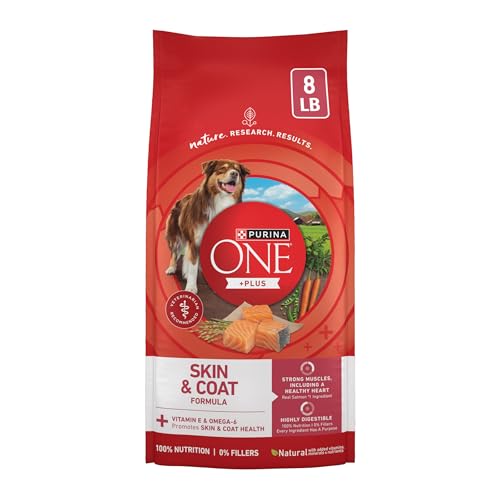
Dog Food Allergies: Complete Guide to Symptoms, Diagnosis & Diet
If your dog suffers from chronic itching, ear infections, or digestive issues, food allergies might be the cause. This guide explains everything you need to know — from recognizing symptoms to choosing the right diet.
What Are Dog Food Allergies?
A dog food allergy occurs when your dog's immune system mistakenly identifies a protein in their food as a harmful invader. This triggers an inflammatory response that manifests as skin problems, digestive issues, or both. Unlike food intolerance (which doesn't involve the immune system), a true food allergy causes an immune reaction that can become more severe with repeated exposure.
Food allergies are the third most common cause of allergic skin disease in dogs, after flea allergy dermatitis and environmental allergies. While any dog can develop food allergies, certain breeds are more predisposed, including Labrador Retrievers, Golden Retrievers, German Shepherds, and Cocker Spaniels.
Key Fact: Food allergies account for about 10-15% of all allergy cases in dogs. They can develop at any age — even in dogs who have eaten the same food for years without problems.
For dog owners struggling with persistent allergy symptoms, finding the right approach starts with understanding the condition. Our comprehensive dog food guide provides additional context about nutritional needs, while our dog food for allergies page focuses specifically on dietary solutions.
Common Symptoms of Food Allergies
Food allergy symptoms in dogs can be confusing because they overlap with other conditions. The most reliable indicator is that symptoms persist year-round (unlike seasonal allergies) and don't respond to standard allergy treatments.
Skin-Related Symptoms
- Chronic itching: Especially around the face, ears, paws, and rear end
- Recurrent ear infections: Often involving both ears and not responding to standard treatment
- Red, inflamed skin: Particularly on the belly, armpits, and groin area
- Excessive licking: Especially of paws and between toes
- Hair loss: From constant scratching or licking
- Skin infections: Secondary bacterial or yeast infections
- Hot spots: Moist, painful skin lesions
Digestive Symptoms
- Vomiting: Especially within hours of eating
- Chronic diarrhea: Often recurring or persistent
- Excessive gas: Unusually frequent or foul-smelling
- Frequent bowel movements: Going more often than usual
- Loss of appetite: Unwillingness to eat regular food
- Weight loss: Despite eating normally
- Abdominal discomfort: Restlessness or whining after meals
Important Note: Many dogs with food allergies show only skin symptoms without any digestive issues. If your dog has persistent skin problems that don't improve with standard treatments, consider a food allergy evaluation.
Food Allergy vs. Food Intolerance
Understanding the difference between a true food allergy and a food intolerance is important for proper management. While they share similar symptoms, they involve different biological mechanisms and treatment approaches.
| Feature | Food Allergy | Food Intolerance |
|---|---|---|
| Immune System Involvement | Yes — abnormal immune response | No — digestive system issue |
| Symptoms | Often primarily skin-related (itching, infections) | Primarily digestive (diarrhea, vomiting, gas) |
| Onset | Can develop after years of eating the same food | Often associated with specific meals or ingredients |
| Dose-Dependent | Small amounts can trigger a reaction | Usually dose-dependent (more = worse) |
| Diagnosis | Elimination diet trial | Elimination diet trial |
| Treatment | Strict lifelong avoidance of allergen | May tolerate small amounts; manageable with diet changes |
Most Common Food Allergens
While many people assume grains are the culprit, the vast majority of dog food allergies are actually caused by animal proteins. In fact, over 85% of food allergies in dogs are triggered by just a handful of ingredients.
- Beef (34%): The most common food allergen in dogs. Many commercial foods contain beef or beef by-products.
- Dairy (17%): Whey and casein proteins in milk products can trigger allergic reactions.
- Chicken (15%): One of the most frequently used proteins in dog food, making it a common allergen.
- Wheat (13%): Though less common than protein allergies, wheat can cause issues in some dogs.
- Soy (6%): Found in many commercial foods as a protein source or filler.
- Lamb (5%): While often marketed as "hypoallergenic," lamb can also trigger allergies.
- Corn (4%): A common carbohydrate source that some dogs cannot tolerate.
- Eggs (3%): Another protein source that can cause allergic reactions.
- Pork (3%): Less common but still a potential allergen.
- Other ingredients: Rice, barley, fish, and various additives account for remaining cases.
Surprising Fact: The protein source causing the allergy is often one your dog has been eating for years. Many dogs develop allergies to familiar proteins over time, not to new ones.
How Food Allergies Are Diagnosed
Food allergies are diagnosed through a process of elimination, not through simple blood tests. While there are blood tests and saliva tests marketed for food allergy detection, they are not considered reliable by veterinary dermatologists and can produce false positives.
The Gold Standard: Elimination Diet Trial
An elimination diet is the only reliable way to diagnose a food allergy. Here's how it works:
- Choose the diet: Your veterinarian will recommend either a novel protein diet (using a protein source your dog has never eaten, like kangaroo, venison, or rabbit) or a hydrolyzed protein diet (where proteins are broken down into pieces too small to trigger an immune response).
- Strict compliance: Your dog must eat only the prescribed food for 8-12 weeks. This means no treats, table scraps, flavored medications, or even toothpaste with flavoring. Everything your dog ingests must be part of the trial.
- Monitor symptoms: Track your dog's symptoms throughout the trial. Improvement usually begins within 2-4 weeks, but full resolution may take up to 12 weeks.
- Reintroduction challenge: If symptoms improve, your veterinarian will have you reintroduce the original food. A return of symptoms within 7-14 days confirms the diagnosis.
- Identify the specific allergen: Once confirmed, you'll systematically reintroduce individual ingredients one at a time to pinpoint the exact allergen.
Pro Tip: Keep a detailed symptom journal during the elimination diet. Record itching severity, ear health, bowel movements, and any other relevant observations. This helps your veterinarian track progress accurately. If you notice your dog is experiencing symptoms from unknown sources, the elimination diet is your most reliable diagnostic tool.
Diet Options for Allergic Dogs
Once a food allergy is confirmed, your dog will need to eat a diet that avoids the offending ingredient for life. Fortunately, there are several excellent options available.
Types of Allergen-Friendly Diets
Novel Protein Diets
These use protein sources your dog has never been exposed to. Since allergies develop through prior exposure, novel proteins are unlikely to trigger a reaction.
- Common novel proteins: Kangaroo, venison, rabbit, duck, alligator, and bison
- Advantages: Natural ingredients, often available in both dry and wet forms
- Disadvantages: Must be certain your dog hasn't eaten that protein before
- Cost: $60–$120 per 25-lb bag
Brands include limited ingredient dog food options from Natural Balance, Merrick, and Zignature.
Hydrolyzed Protein Diets
These use proteins that have been broken down (hydrolyzed) into pieces so small that the immune system doesn't recognize them as threats.
- Examples: Royal Canin HP, Hill's z/d, Purina HA
- Advantages: Doesn't require guessing which protein is "novel"; works for almost all dogs
- Disadvantages: Only available through veterinarians; more expensive
- Cost: $80–$150 per 25-lb bag
These are considered the best hypoallergenic dog food options for severe allergies.
Comparing Diet Options
| Feature | Novel Protein | Hydrolyzed Protein | Limited Ingredient | Raw Diet |
|---|---|---|---|---|
| Allergen Risk | Low (if truly novel) | Very Low | Low to Moderate | High (cross-contamination risk) |
| Cost | $$$ | $$$$ | $$ | $$$$ |
| Availability | Over-the-counter | Prescription only | Over-the-counter | Specialty stores |
| Nutritional Balance | Good | Excellent | Good | Varies |
| Best For | Mild to moderate allergies | Severe allergies, multiple sensitivities | Dogs with known single allergy | Owners committed to raw feeding |
How to Choose the Right Food
Selecting the right food for your allergic dog requires careful consideration of several factors. Here's what to look for:
- Consult your veterinarian first: Never start an elimination diet or make major dietary changes without professional guidance. Your vet can recommend appropriate best dog food for allergies and sensitive stomach options based on your dog's specific needs.
- Check for AAFCO nutritional adequacy: Look for a statement that the food is "complete and balanced" for your dog's life stage. All foods on the elimination diet should meet these standards.
- Consider your dog's life stage: Puppies, adults, and seniors have different nutritional needs. For puppies with allergies, specifically formulated puppy food is essential for proper growth.
- Evaluate ingredient sources: Choose foods with high-quality, minimally processed ingredients. The fewer ingredients, the easier it is to identify triggers.
- Check for common fillers: Avoid foods with artificial colors, preservatives, and unnecessary additives that could complicate your dog's condition.
- Consider the form: For dogs with severe allergies, dry dog food is often recommended due to lower contamination risk, but some dogs do better with wet dog food. The choice depends on your dog's specific needs.
- Plan for the long term: Once you find a food that works, plan to stick with it. Changing foods frequently can make it difficult to maintain symptom control.
Important: When your dog is on an allergy diet, every single thing they eat matters. This includes treats, supplements, and even flavored medications. Always check with your veterinarian before introducing any new product.
Understanding Food Labels
Reading dog food labels can be confusing, but it's an essential skill for managing food allergies. Here's what to look for:
Key Label Terms
- Named protein source: Look for specific protein names like "chicken" or "salmon" rather than generic "meat" or "poultry." This helps you know exactly what your dog is eating.
- Single protein source: For elimination diets, choose foods with a single protein source. If there are multiple proteins, you won't know which one is causing the reaction.
- Limited ingredients: Fewer ingredients mean fewer potential allergens. Foods with 10-15 ingredients are ideal for allergy management.
- "Natural" vs. "Organic": These terms refer to sourcing and processing, not allergen content. Don't assume "natural" foods are allergy-free.
- Cross-contamination warnings: Some foods may be processed on shared equipment. For severe allergies, choose foods that explicitly state they're made in a dedicated facility.
Look for these labels: "Limited Ingredient Diet," "Single Source Protein," and "Novel Protein." These are specifically designed to minimize allergic reactions. Many top brands now offer grain-free options that work well for allergic dogs.
If you're struggling to identify safe foods, consider exploring dry dog food for sensitive stomachs as a starting point. These formulas often have simpler ingredient profiles and fewer potential allergens.
Frequently Asked Questions
Your Next Steps:
If you suspect your dog has a food allergy, schedule an appointment with your veterinarian to discuss an elimination diet. Food allergies are manageable with the right approach, but they require professional guidance to diagnose properly. While you're waiting for your appointment, keep a detailed log of your dog's symptoms and everything they eat — this information will be valuable for your veterinarian. Remember, the goal isn't just to manage symptoms but to identify the root cause so your dog can live comfortably and healthily for years to come.