Complete Dog Diet & Nutrition Guide
Learn what to feed your dog for optimal health. From raw diets to sensitive stomachs, we cover everything you need to know about canine nutrition.
Your dog's diet is one of the most critical factors in their overall health. A balanced, nutritious diet can prevent disease, support a healthy weight, and extend your dog's life. But with so many options—kibble, canned, raw, freeze-dried, and homemade—it's easy to feel overwhelmed.
Dog Nutrition Basics
Dogs need a balanced diet that includes proteins, fats, carbohydrates, vitamins, and minerals. The ideal diet for your dog depends on their age, breed, activity level, and health status. Commercial dog foods are formulated to meet these needs, but not all are created equal.
Key Nutrients
- Protein: Essential for muscle development and repair. Look for named meat sources like chicken, beef, or salmon.
- Fats: Provide energy and support skin and coat health. Omega-3 and omega-6 fatty acids are crucial.
- Carbohydrates: Provide energy and fiber. Whole grains and vegetables are good sources.
- Vitamins & Minerals: Support immune function, bone health, and metabolic processes.
Reading Labels
When choosing a commercial dog food, look for:
- A specific protein source as the first ingredient (e.g., "chicken," not "poultry").
- AAFCO statement confirming it is nutritionally complete.
- Avoid artificial colors, flavors, and preservatives.
Types of Dog Food
| Type | Pros | Cons | Average Monthly Cost |
|---|---|---|---|
| Dry Kibble | Convenient, cost-effective, good for teeth | Lower moisture content, may contain fillers | $30–$80 |
| Wet Food | High moisture, palatable, good for picky eaters | More expensive, requires refrigeration after opening | $60–$150 |
| Raw Food | Mimics ancestral diet, high protein | Risk of bacterial contamination, expensive | $100–$250 |
| Fresh/Home-Cooked | Human-grade ingredients, customizable | Time-consuming, requires nutritional guidance | $150–$400 |
Raw Food Diet
A raw food diet consists of uncooked meat, bones, fruits, and vegetables. Proponents claim benefits such as a shinier coat, healthier skin, and higher energy levels. However, raw diets require careful planning to ensure they are nutritionally complete and safe.
Important: Raw diets carry a higher risk of bacterial contamination for both your dog and your household. Consult your vet before switching to raw food. If you're interested, read our guide on the benefits of raw food diets.
Diets for Sensitive Stomachs
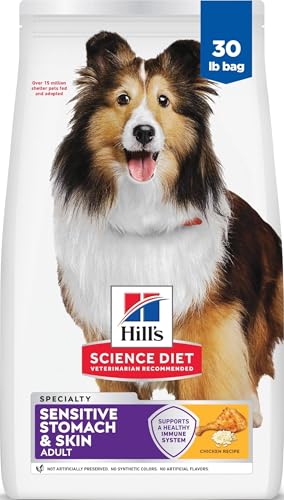
Dogs with sensitive stomachs often have difficulty digesting certain ingredients, leading to symptoms like vomiting, diarrhea, and gas. Choosing the right food is critical.
- Look for: Limited ingredient diets (LID) with a single protein source and easily digestible carbohydrates like rice or sweet potato.
- Avoid: Artificial preservatives, by-products, and common allergens like beef, dairy, wheat, and soy.
- Consider: Probiotics to support digestive health. Check out our recommendations for the best digestive enzymes for dogs.
Top Tip: For dogs with persistent digestive issues, a sensitive stomach dog food can make a world of difference.
Managing Food Allergies
Food allergies in dogs typically manifest as itchy skin, ear infections, or digestive upset. The most common allergens include beef, dairy, wheat, egg, chicken, lamb, soy, pork, rabbit, and fish.
- Identify the allergen: Work with your vet to conduct an elimination diet trial.
- Choose a hypoallergenic food: Look for foods with novel proteins (e.g., venison, duck) or hydrolyzed proteins that are broken down to avoid triggering an immune response. We have a list of best hypoallergenic dog foods.
- Monitor your dog: Keep a food diary to track reactions.
Weight Management
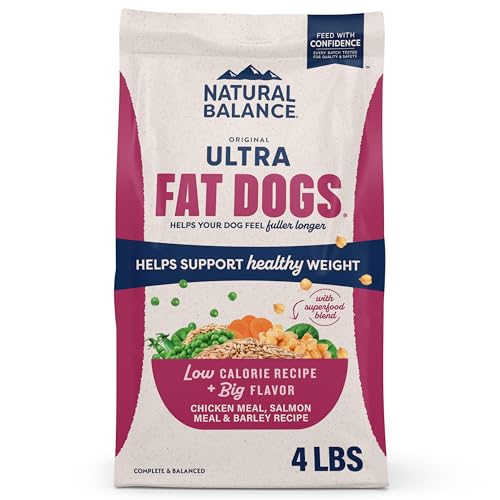
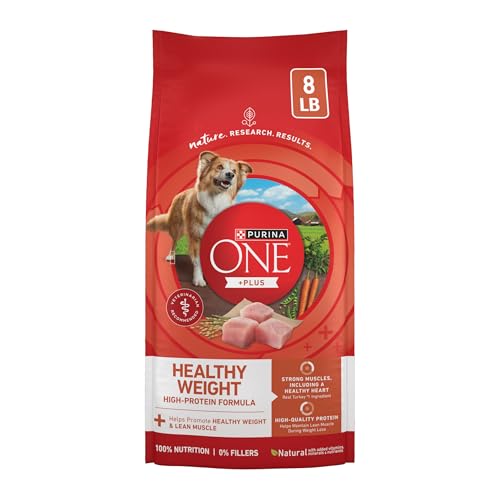
Maintaining a healthy weight is one of the most important things you can do for your dog's health. Over 50% of pet dogs are overweight. If your dog is carrying extra pounds, it's time to adjust their diet and exercise routine.
- Portion control: Measure your dog's food using a standard measuring cup. Look for best dog food for weight loss.
- Reduce treats: Replace high-calorie treats with healthier options like carrots or green beans.
- Increase exercise: A combination of diet and exercise is the most effective way to lose weight.
Homemade Diets
Some owners prefer to cook for their dogs to have total control over ingredients. However, homemade diets must be carefully balanced. A simple meal of cooked meat and rice is not enough.
If you're considering a homemade diet, consult a board-certified veterinary nutritionist to create a recipe that meets your dog's specific needs. Avoid common mistakes by reviewing our homemade dog food recipes for guidance.
Frequently Asked Questions
Ready to Improve Your Dog's Diet?
Choosing the right diet is a journey, but you don't have to do it alone. Use our guides to find the best food for your dog's specific needs, whether it's small dog food, food for large breeds, or nutrition for senior dogs. Your dog will thank you!