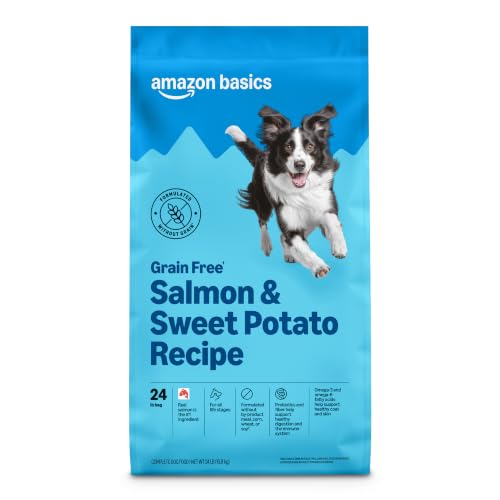
Limited Ingredient Dog Food: Salmon and Sweet Potato
Your complete guide to understanding why salmon and sweet potato limited ingredient diets are a top choice for dogs with food allergies, sensitive stomachs, and skin issues — and how to choose the right formula.
If your dog has been scratching incessantly, experiencing digestive upset after meals, or suffering from chronic ear infections, you may be dealing with a food allergy or sensitivity. One of the most effective dietary strategies for these issues is switching to a limited ingredient dog food with salmon and sweet potato. This combination has become a go-to solution for veterinarians and pet owners alike because it minimizes the number of potential allergens while delivering complete, balanced nutrition.
Unlike traditional dog foods that may contain dozens of ingredients — including common allergens like chicken, beef, wheat, corn, and soy — limited ingredient diets focus on a small number of carefully selected components. Salmon provides a novel protein source that many dogs have never eaten before, while sweet potato offers a digestible, gluten-free carbohydrate. Together, they form the foundation of a diet that is gentle on the digestive system and less likely to trigger allergic reactions.
This guide explains exactly how these formulas work, which dogs benefit most, what to look for when shopping, and how to make the transition safely. By the end, you will have the knowledge to make an informed decision about whether a salmon and sweet potato limited ingredient diet is right for your dog.
What Is Limited Ingredient Dog Food?
Limited ingredient dog food — sometimes abbreviated as LID — is formulated with a deliberately short list of ingredients. The goal is to reduce exposure to potential allergens and make it easier to identify what might be causing a reaction if one occurs. A typical limited ingredient formula contains one primary animal protein source, one primary carbohydrate source, and a limited number of additional ingredients for nutritional completeness.
This approach is fundamentally different from conventional dog foods, which often include multiple protein sources (chicken, beef, fish, eggs), several grains (wheat, corn, rice, barley), and a long list of additives, preservatives, and flavorings. Each of these ingredients represents a potential trigger for dogs with food sensitivities.
How Limited Ingredient Diets Differ from Grain-Free Diets
It is important to understand that "limited ingredient" and "grain-free" are not the same thing. A grain-free diet eliminates grains but may still contain many different proteins and other ingredients. A limited ingredient diet, by contrast, restricts the total number of ingredients regardless of whether grains are included. Some limited ingredient formulas are also grain-free, but the two concepts serve different purposes. If your dog has a confirmed grain allergy, a grain-free limited ingredient diet may be appropriate. If the issue is a protein allergy, the focus should be on selecting a novel protein like salmon.
Key Takeaway: Limited ingredient dog food is not a marketing gimmick — it is a practical tool for managing adverse food reactions. The fewer ingredients in the bowl, the easier it is to identify and eliminate problem triggers.
Why Salmon Is a Smart Protein Choice
Salmon has become one of the most popular proteins in limited ingredient dog foods, and for good reason. It offers several advantages over more common proteins like chicken or beef:
- Novel protein source: Many dogs have never eaten salmon before, which means their immune system is less likely to have developed an allergy to it. This makes it an excellent choice for elimination diets and dogs with existing food sensitivities.
- Rich in omega-3 fatty acids: Salmon is naturally high in EPA and DHA, which support healthy skin and a shiny coat, reduce inflammation, and promote joint health. Dogs with allergic skin disease often see significant improvement on a salmon-based diet.
- High-quality protein: Salmon provides all essential amino acids needed for muscle maintenance and repair. It is highly digestible, meaning more of the protein is absorbed and used by the body.
- Supports heart health: The omega-3 content in salmon has been linked to cardiovascular benefits, including support for dogs with certain heart conditions.
- Palatable: Most dogs find the taste of salmon highly appealing, which is helpful for picky eaters or dogs that have lost interest in their previous food.
When selecting a salmon-based limited ingredient food, look for formulas that use whole salmon or salmon meal as the primary protein source rather than generic "fish" or "ocean fish" blends. Named protein sources are more transparent and easier to evaluate.
Why Sweet Potato Works as a Carb Source
Sweet potato is the other half of this winning combination. It serves several important functions in a limited ingredient diet:
- Gluten-free and grain-free: Sweet potato is naturally free of gluten and grains, making it suitable for dogs with grain allergies or celiac-like sensitivities. It provides an alternative carbohydrate source for dogs that cannot tolerate wheat, corn, or rice.
- Highly digestible: The carbohydrates in sweet potato are easy for dogs to break down and absorb, which is especially important for dogs with sensitive stomachs or digestive issues.
- Rich in fiber: Sweet potato contains both soluble and insoluble fiber, which supports healthy digestion, regular bowel movements, and a balanced gut microbiome.
- Loaded with nutrients: Sweet potato is an excellent source of beta-carotene (which the body converts to vitamin A), vitamin C, potassium, and manganese. These nutrients support immune function, skin health, and overall vitality.
- Low glycemic index: Compared to some other carbohydrate sources, sweet potato has a lower glycemic index, meaning it causes a more gradual rise in blood sugar. This can be beneficial for dogs prone to weight gain or with certain metabolic conditions.
Some limited ingredient formulas use sweet potato as the sole carbohydrate source, while others combine it with a second carb like peas or lentils. For the most restrictive diet, look for formulas where sweet potato is the primary or only carbohydrate.
Key Benefits for Your Dog
Switching to a limited ingredient salmon and sweet potato diet can deliver a range of benefits, particularly for dogs with specific health concerns. Here are the most significant advantages:
Reduced Allergic Reactions
By limiting ingredients and using a novel protein, the risk of triggering an allergic response is significantly lowered. Dogs with diagnosed food allergies often experience fewer flare-ups on this type of diet.
Improved Skin and Coat
The omega-3 fatty acids in salmon nourish the skin from within, reducing itching, dryness, and flakiness. Many owners notice a shinier, softer coat within weeks of switching.
Better Digestive Health
Sweet potato provides gentle fiber that supports regular digestion. Dogs with sensitive stomachs often experience less gas, bloating, and diarrhea on a limited ingredient diet.
Easier Elimination Trials
If your veterinarian recommends an elimination diet to identify allergens, a limited ingredient salmon and sweet potato formula is an ideal starting point because it contains so few potential triggers.
Joint Support
The anti-inflammatory properties of omega-3s can help reduce joint pain and stiffness, making this diet beneficial for older dogs or those with arthritis.
Weight Management Support
Many limited ingredient salmon and sweet potato formulas are formulated with moderate calorie levels and high fiber, which helps dogs feel full while maintaining a healthy weight.
Which Dogs Benefit Most?
While any dog can eat a limited ingredient diet, certain dogs stand to gain the most from switching. Consider this type of food if your dog fits any of the following profiles:
- Dogs with diagnosed food allergies: If your vet has identified an allergy to chicken, beef, wheat, or another common ingredient, a salmon and sweet potato formula avoids those triggers entirely.
- Dogs with chronic skin issues: Persistent itching, hot spots, recurrent ear infections, and hair loss are often linked to food sensitivities. A limited ingredient diet can help calm the immune response.
- Dogs with sensitive stomachs: Frequent vomiting, diarrhea, gas, or loose stools after meals may indicate an inability to tolerate certain ingredients. Simpler formulas are often easier to digest.
- Dogs undergoing elimination diets: Veterinarians frequently recommend limited ingredient diets as part of a food trial to isolate allergens.
- Picky eaters: The appealing taste of salmon often wins over dogs that have grown tired of their regular food.
- Senior dogs: Older dogs may develop sensitivities over time or benefit from the joint-supporting omega-3s in salmon.
- Dogs with inflammatory conditions: The anti-inflammatory properties of omega-3 fatty acids may benefit dogs with arthritis, inflammatory bowel disease, or other chronic inflammatory conditions.
Important Note: Food allergies in dogs are relatively uncommon — true food allergies affect only about 10-15% of dogs with allergic symptoms. Environmental allergies (to pollen, dust mites, or mold) are far more common. If your dog is itchy, consult your veterinarian to determine whether the cause is food-related or environmental before making dietary changes.
How to Choose the Right Formula
Not all limited ingredient salmon and sweet potato dog foods are created equal. Some products marketed as "limited ingredient" still contain dozens of additives, multiple protein sources, or vague ingredient names. Here is what to look for on the label:
Ingredient Quality and Transparency
- Named protein first: The first ingredient should be a named salmon source — "salmon," "salmon meal," or "deboned salmon." Avoid vague terms like "fish" or "meat meal."
- Short ingredient list: A true limited ingredient formula should have roughly 10 or fewer primary ingredients. If the list runs to 30 items, it is not truly limited.
- Single carbohydrate source: Look for sweet potato as the primary or only carb. Avoid formulas with multiple grains or starches if the goal is to minimize potential allergens.
- No artificial preservatives, colors, or flavors: These additives serve no nutritional purpose and can trigger reactions in sensitive dogs.
Nutritional Adequacy
- AAFCO statement: The food should carry an AAFCO nutritional adequacy statement confirming it meets the requirements for your dog's life stage (growth, adult maintenance, or all life stages).
- Complete and balanced: Limited ingredient does not mean nutritionally incomplete. The formula should provide all essential vitamins, minerals, and amino acids your dog needs.
- Life stage appropriateness: Puppies, adults, and seniors have different nutritional needs. Choose a formula designed for your dog's life stage, or one labeled for all life stages.
Quality Tiers at a Glance
To help you navigate the market, here is a general framework for understanding product positioning. These are relative descriptors, not price indicators:
| Quality Tier | Typical Characteristics | Best For |
|---|---|---|
| Entry-level | Basic limited ingredient formulas, fewer premium inclusions, standard sourcing | Budget-conscious owners, dogs without severe sensitivities |
| Mid-range | Higher-quality protein sources, added omega-3s, transparent sourcing, fewer additives | Most dogs with mild to moderate food sensitivities |
| Premium | Human-grade or sustainably sourced salmon, organic sweet potato, added probiotics, rigorous testing | Dogs with severe allergies, sensitive stomachs, or owners seeking maximum quality |
| Luxury / Veterinary | Prescription or veterinary-exclusive formulas, hydrolyzed or highly novel proteins, clinical testing | Dogs with diagnosed medical conditions requiring therapeutic diets |
For most dogs with mild sensitivities, a mid-range formula offers the best balance of quality and value. Dogs with severe allergies or multiple sensitivities may benefit from a premium or veterinary-tier product. Always consult your veterinarian before selecting a therapeutic diet.
What to Avoid
- Multiple protein sources: If the label lists chicken, beef, or egg in addition to salmon, it is not a true limited ingredient diet.
- Common allergens: Avoid formulas containing wheat, corn, soy, dairy, or chicken if your dog has sensitivities to these ingredients.
- Artificial additives: Skip foods with BHA, BHT, ethoxyquin, artificial colors, or added flavors.
- Vague labeling: Be wary of terms like "animal digest," "meat by-products," or "poultry meal" that do not specify the source.
Transitioning Your Dog Safely
Sudden diet changes can cause digestive upset, even when switching to a higher-quality food. A gradual transition gives your dog's digestive system time to adjust and helps prevent diarrhea, vomiting, and refusal to eat.
The 7-10 Day Transition Schedule
- Days 1-3: Mix 25% new food with 75% old food. This introduces the new flavors and ingredients slowly.
- Days 4-6: Increase to 50% new food and 50% old food. Watch for any signs of digestive upset.
- Days 7-9: Move to 75% new food and 25% old food. Your dog should be adjusting well by this point.
- Day 10 onward: Feed 100% of the new limited ingredient salmon and sweet potato food.
If your dog has a very sensitive stomach, extend the transition to 14 days or longer. If you notice loose stools, vomiting, or refusal to eat, slow down and stay at the previous ratio for a few extra days before advancing.
Pro Tip: During the transition, avoid introducing any other new foods, treats, or supplements. This makes it easier to identify what might be causing a problem if one arises. Keep treats consistent with the new diet — look for single-ingredient treats like freeze-dried salmon.
What to Expect After Switching
Most dogs adjust to a new diet within a week or two. You may notice the following positive changes over the first few weeks to months:
- Less scratching, itching, and licking
- Improved coat shine and softness
- Firmer stools and less gas
- Reduced ear infections or skin redness
- Increased energy and vitality
- Better appetite (if your dog was previously picky)
If your dog's symptoms do not improve within 8-12 weeks of being on a strict limited ingredient diet, the issue may not be food-related. Consult your veterinarian to explore other potential causes.
Common Mistakes to Avoid
Even with the best intentions, owners sometimes make mistakes that undermine the effectiveness of a limited ingredient diet. Here are the most common pitfalls:
- Not reading the full ingredient list: Some foods labeled "salmon and sweet potato" also contain chicken fat, chicken meal, or other hidden proteins. Always read the fine print.
- Giving treats that contain allergens: If your dog is on a limited ingredient diet, all treats, chews, and supplements must also be limited ingredient and free of the proteins you are avoiding. A single chicken treat can trigger a reaction in a sensitive dog.
- Switching too quickly: A sudden diet change can cause digestive upset that might be mistaken for an allergic reaction to the new food, leading owners to give up prematurely.
- Expecting immediate results: Food allergies and sensitivities take time to resolve. It can take 8-12 weeks on a strict elimination diet to see full improvement. Patience is essential.
- Assuming "grain-free" means "limited ingredient": These are different concepts. A grain-free food can still contain many proteins and potential allergens.
- Feeding table scraps: Human food can introduce allergens and disrupt the elimination diet. If you are conducting a food trial, absolutely no table food should be given.
- Not consulting a veterinarian: Self-diagnosing food allergies and switching diets without professional guidance can delay proper treatment and prolong your dog's discomfort.
Bottom Line: Limited ingredient dog food with salmon and sweet potato is a science-backed approach to managing food sensitivities, supporting skin and coat health, and promoting easier digestion. It is not a cure-all, but for the right dog, it can dramatically improve quality of life. Start with a high-quality formula from a reputable brand, transition slowly, keep treats consistent, and give the diet at least 8-12 weeks to work. If you are unsure whether your dog needs this type of food, your veterinarian is your best resource for guidance.