The Ultimate Guide to Dog Collars
Choosing the right collar is about more than just style. It's about safety, comfort, and effective communication with your dog. This guide will help you navigate every option available.
A dog collar is one of the first purchases a new owner makes, and for good reason. It's the primary way to keep identification on your dog, and it's a fundamental tool for leash training. But walk down any pet store aisle, and you'll be confronted with a dizzying array of choices: flat collars, martingales, harnesses, head halters, and more. Each has a specific purpose, and choosing the wrong one can be ineffective, uncomfortable for your dog, or even dangerous.
This guide will walk you through every type of collar and restraint, explaining their pros, cons, and best use cases. By the end, you'll have the knowledge to select a collar that prioritizes your dog's safety and comfort, while also meeting your training and lifestyle needs.
Why the Right Collar Matters
A collar is not just an accessory. It is a piece of safety equipment. A properly fitted collar with up-to-date ID tags is your dog's ticket home if they ever get lost. A collar that is too loose can slip off during a walk or if your dog gets caught on something, while one that is too tight can cause discomfort, skin irritation, and even breathing problems.
For dogs in training, the collar you choose directly impacts your ability to communicate. A standard flat collar is fine for a dog that walks politely on a loose leash, but for a dog that pulls, it can cause tracheal damage. In that case, a harness for dogs that pull is a much safer alternative. Understanding the function of each piece of equipment is the first step toward responsible ownership.
The Collar's Primary Jobs:
• Identification: Holding ID tags and rabies tags is the most critical function.
• Leash Attachment: Providing a secure point to attach a leash for walks and training.
• Communication: Acting as a tool to gently guide and communicate with your dog.
• Style: Reflecting your dog's personality (a secondary, but fun, benefit).
Types of Dog Collars
Not all collars are created equal. The type you choose should be based on your dog's breed, temperament, and your training goals.
Flat Collar (Standard)
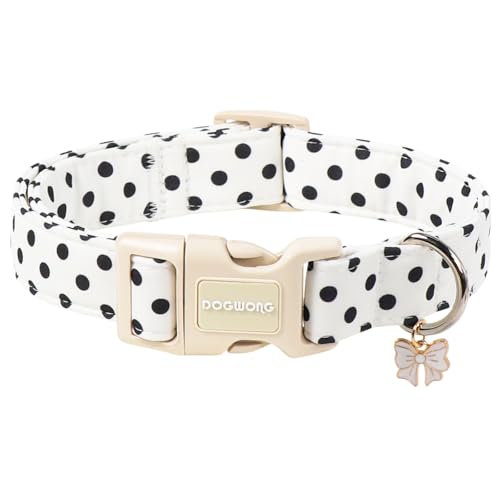
The most common type. A simple strip of material (nylon, leather, or biothane) with a buckle or quick-release clasp. Best for dogs who already walk well on a leash. It's the primary carrier for ID tags. A great choice for everyday wear and a must-have for any dog.
Essential / Entry-LevelMartingale Collar
Also known as a limited-slip collar. It has two loops: one for the leash and one that tightens when pulled. It's designed to prevent dogs with narrow heads (like Greyhounds, Whippets, and some mixed breeds) from backing out of their collar. It provides gentle control without choking.
Specialized / Mid-RangeHead Halter
Often confused with a muzzle, a head halter fits around the dog's snout and behind the ears. It gives you control over the dog's head, which is where the body follows. It's an excellent training tool for dogs that pull, as it discourages lunging and jumping. Requires a gradual introduction.
Training / PremiumBreakaway Collar
A safety collar designed with a special buckle that releases under pressure. If the collar gets caught on a fence, branch, or crate, it will snap open, preventing strangulation. Ideal for dogs that are crated or play rough outdoors. Not recommended for leash walking if your dog pulls, as it could pop open.
Safety / Mid-TierHarness
While technically not a collar, a harness is a vital alternative. It straps around the dog's chest and torso, distributing pressure away from the neck. It's the best choice for dogs with respiratory issues (like flat-faced breeds), dogs that pull, and small breeds prone to tracheal collapse. A great everyday walking solution.
Everyday / Mid-Range to LuxuryGPS Collar
A high-tech option that combines a standard collar with a GPS tracking device. It allows you to monitor your dog's location in real-time via a smartphone app, set up virtual fences, and track their activity. Excellent for dogs that are escape artists or for owners who want peace of mind. Look for a dog collar and GPS tracker combo for the best integration.
High-Tech / PremiumTraining Collars Explained
Training collars are designed to provide more control than a standard flat collar. They are powerful tools that must be used correctly and humanely. These are not for everyday wear and should only be used under the guidance of a professional trainer.
| Collar Type | How It Works | Best For | Caution |
|---|---|---|---|
| Prong Collar | Metal prongs apply pressure to the neck when the leash is pulled. | Strong, powerful dogs that are not responsive to other training methods. | Can cause injury if used incorrectly. Should not be used for punishment. Needs professional guidance. |
| Choke Chain / Slip Collar | A chain or fabric loop that tightens around the neck when pulled. | Traditional training for some breeds. Also used for showing dogs. | High risk of tracheal damage and choking. Often misused. Not recommended for general training. |
| Head Halter | Controls the head, which in turn controls the body. Does not tighten around the neck. | Dogs that pull, lunge, or are reactive. A great alternative to aversive tools. | Requires positive introduction. Some dogs find it aversive initially. Not for off-leash play. |
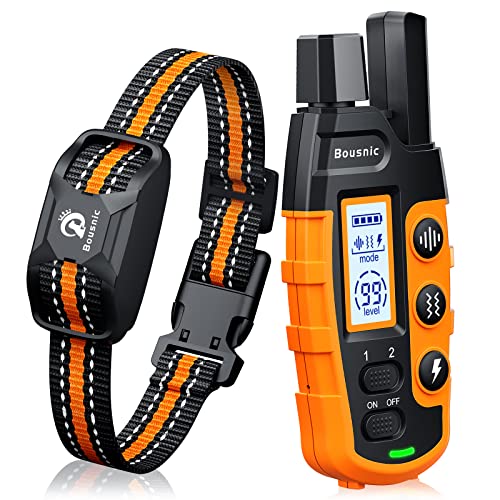
| E-Collar (Shock Collar) | Delivers a static shock, vibration, or tone via a remote control. | Remote training, recall, and off-leash reliability in specific cases. | Highly controversial. Can cause fear and anxiety. Should only be used as a last resort under expert supervision. |
Our Training Philosophy: We strongly advocate for positive reinforcement training. Modern, science-based methods using treats, praise, and play are more effective and build a stronger bond than aversive tools. Tools like prong and shock collars can suppress behavior but often create fear and anxiety. A front-clip harness combined with positive training is almost always a better and safer first choice for a dog that pulls.
Sizing and Proper Fit
An improperly fitted collar is a hazard. Here is how to get it right.
How to Measure Your Dog's Neck
- Use a soft measuring tape. If you don't have one, use a piece of string and then measure the string with a ruler.
- Measure the widest part of the neck. This is usually right behind the ears and below the jawline.
- Add a few inches for comfort. A good rule of thumb is to add 2 inches to the neck measurement for small dogs and 2-3 inches for larger dogs. This is the ideal collar length.
- Check the fit. Once the collar is on, you should be able to fit two fingers comfortably between the collar and your dog's neck. This is the "two-finger rule."
Fit Checklist:
• Too Loose: The collar can slide over your dog's head. This is a major escape risk.
• Too Tight: You cannot fit two fingers underneath. This can cause coughing, gagging, and skin irritation.
• Just Right: Snug, but you can comfortably fit two fingers between the collar and the neck. It should not rotate freely but should not be tight enough to leave marks.
Remember to re-check the fit regularly, especially with puppies who grow quickly. A collar that fits perfectly today may be too tight in a month. For more active dogs, you might consider a dog harness for walks, which can be sized more precisely to the chest.
Collar Materials and Durability
The material of your dog's collar affects its comfort, durability, and appearance.
- Nylon: The most popular choice. It's affordable, durable, lightweight, and comes in countless colors and patterns. It dries quickly, making it good for dogs that swim. However, it can fray over time and hold odors.
- Leather: A classic choice. Leather is strong, comfortable, and looks great. It becomes softer with age. It requires more care, as it can crack if it gets wet and dries out. It's a premium option but a very durable one.
- Biothane: A synthetic material that looks like leather but is waterproof, odor-proof, and incredibly durable. It's more expensive than nylon but is a top-tier choice for active, outdoorsy dogs. Easy to clean and doesn't stretch.
- Chain: Metal chain collars are very strong but are not recommended for everyday wear due to the risk of catching on things and the potential for injury. They are primarily used as training tools (choke chains).
Safety Features and ID Tags
A collar's most important job is to hold identification. Here's how to make sure that job is done well.
ID Tags: Your Dog's Lifeline
Every dog should wear a collar with ID tags at all times (except when in a crate, if using a non-breakaway collar). At a minimum, the tag should have your dog's name and your current phone number. Consider adding a second tag with an alternate number and your address. A microchip is a fantastic backup, but a visible ID tag is the fastest way for a good Samaritan to get your dog home. A durable dog tag is a small investment for a huge peace of mind.
Safety Considerations
- The "Catch" Hazard: A collar can get caught on a fence, a crate bar, or a branch. This is a strangulation risk. For dogs that are crated or play outside unsupervised, a breakaway collar is the safest option.
- Leash Attachment: Never attach a leash to a collar with a plastic quick-release buckle that seems flimsy. Look for a metal buckle or a heavy-duty plastic one. For strong pullers, a harness is always safer.
- Night Visibility: If you walk your dog at night, consider a collar with reflective stitching or a small clip-on light. This makes you and your dog more visible to drivers and cyclists.
- Puppy Safety: Puppies should wear lightweight, breakaway collars. They can get their lower jaw caught in a standard collar while playing or scratching. Always supervise a puppy wearing a collar.
Common Collar Mistakes to Avoid
Even well-meaning owners make these mistakes. Avoiding them will keep your dog safer and more comfortable.
- Leaving the collar on in the crate. This is a major strangulation risk. If your dog's collar gets caught on the crate bars, they can panic and choke. Always remove the collar before crating, or use a breakaway collar.
- Using a training collar for everyday wear. Prong, choke, and shock collars are training tools, not everyday accessories. They can cause discomfort and injury if left on unsupervised.
- Not checking the fit regularly. Dogs can gain or lose weight, and puppies grow fast. A collar that was perfect last month could be too tight or too loose today.
- Hanging too many tags. A jangling bunch of tags can be noisy and annoying for your dog. It can also get caught on things more easily. Consider a tag silencer or a collar with a metal plate for engraving instead of multiple dangling tags.
- Using the wrong collar for the dog's breed. A flat collar on a Greyhound is a recipe for an escape. A heavy chain collar on a tiny Chihuahua is uncomfortable and unnecessary. Match the collar to the dog.
Frequently Asked Questions
Final Thoughts on Choosing a Collar
The perfect collar is one that fits well, is safe for your dog's lifestyle, and serves your training goals. For most dogs, a simple, well-fitted flat collar for ID tags and a comfortable, well-fitted harness for walks is the winning combination. Avoid aversive tools unless advised by a professional, and always prioritize your dog's comfort and safety. The right gear is an investment in a happy, healthy, and well-behaved companion.