Service Dog Training: Your Complete Roadmap
From task training to public access & legal rights — everything you need to train or acquire a legitimate service dog.
📑 What you'll learn
🐕🦺 What is a Service Dog?
A service dog is individually trained to perform specific tasks that mitigate a person's disability. Under the Americans with Disabilities Act (ADA), service dogs are working animals, not pets. They have public access rights to accompany their handler almost anywhere the public can go — restaurants, stores, hospitals, and airplanes. Emotional support animals (ESAs) and therapy dogs do not have the same legal protections; only service dogs (and sometimes miniature horses) qualify.
Proper service dog training goes far beyond basic obedience. A service dog must remain calm in crowded environments, ignore distractions, and reliably perform one or more tasks directly related to the handler’s disability — such as guiding a blind person, alerting to seizures, or retrieving dropped items for someone with mobility limitations.
🧩 Types of Service Dogs
🦯 Guide Dogs
For blind or visually impaired individuals. Navigate obstacles, stop at curbs, and avoid hazards.
♿ Mobility Assistance
Retrieve items, open doors, hit buttons, provide balance support, and help with transfers.
⚕️ Medical Alert
Detect changes in blood sugar (diabetic alert), oncoming seizures, or severe allergic reactions.
🧠 Psychiatric Service Dog
Interrupt anxiety/panic attacks, provide grounding, remind to take medication, create space in crowds.
🔄 Autism Support
Prevent bolting, apply deep pressure during meltdowns, track a child who wanders.
🦻 Hearing Dogs
Alert to doorbells, smoke alarms, crying babies, or the handler’s name being called.
⏳ Service Dog Training Process & Timeline
Whether you owner-train or use a program, the training phases follow a proven roadmap. Most dogs are ready for full public access between 18–24 months old.
| Phase | Duration | Key Activities |
|---|---|---|
| Puppy selection & socialization | 8 weeks – 6 months | Early puppy socialization, exposure to sights/sounds, foundation obedience, confidence building. |
| Canine Good Citizen (CGC) & basic obedience | 6–12 months | Sit, down, stay, loose-leash walking, settle on mat. Many require CGC before advanced training. |
| Public access training | 6–12 months | Ignore food on floor, remain calm around crowds, elevators, wheelchairs, unexpected noises. |
| Task training | 6–12 months | Shape specific tasks: retrieve medication, alert to heartbeat changes, brace for stability, etc. |
| Team training & final testing | 1–3 months | Handler learns to work with the dog; mock public scenarios, PAT (Public Access Test). |
👤 Owner-Training vs. Professional Programs
✍️ Owner-Training
✅ Legal & flexible; you bond from puppyhood.
❌ Requires serious commitment; risk of burnout. Best for experienced handlers who can afford professional guidance.
🏫 Accredited Program
✅ Fully trained dog, support, replacement guarantee, often non‑profit.
❌ Long waiting lists (1–3 years), high cost.
📦 Board & Train
✅ Dog lives with trainer for 3–8 weeks; intensive skill building.
❌ Handler misses team bonding; not all programs are reputable.
🎓 Hybrid (group classes + private)
✅ Balanced cost with expert oversight. Uses positive reinforcement and clicker training techniques.
Many handlers combine owner-training with occasional sessions from a certified dog training professional. Regardless of path, positive reinforcement produces the most reliable, happy working dogs. Punishment-based methods can lead to service dog burnout or aggression — unacceptable for public work.
💰 Realistic Cost of Service Dog Training
Service dogs are a financial investment. Below are average expenses for owner‑training a service dog (excluding program fees).
- Puppy acquisition: $1,500–$5,000 (from reputable breeder with health clearances).
- Veterinary care (first 2 years): $2,000–$4,000 (vaccines, wellness, unexpected illness).
- Professional training sessions: $150–$250/hour; 100+ hours = $15,000+ for full support.
- Public access & task training workshops: $600–$2,500.
- Equipment (vests, harnesses, leashes, treat pouches): $200–$800.
- Insurance / emergency fund: Highly recommended.
⚖️ ADA Legal Rights & No Certification Scams
Under the ADA, service dogs are not required to wear a vest or ID card. Businesses cannot ask for proof of training or require medical documentation. They may only exclude a service dog if the dog is out of control and the handler fails to correct it, or if the dog is not housebroken. Understanding dog behavior is essential to ensure your service dog acts impeccably in public.
For air travel, the DOT form (Department of Transportation) may be required, but no “national registry” exists. Avoid websites selling certificates — they offer zero legal protection and give real service dog teams a bad reputation. Proper positive reinforcement training and socialization are the only valid credentials.
🛠️ Essential Service Dog Training Gear
Quality equipment supports effective training and safety. Below are must‑haves recommended by professional service dog trainers (many available via our affiliate links).
- Hands‑free leash / crossbody leash: Keeps handler’s hands free for tasks.
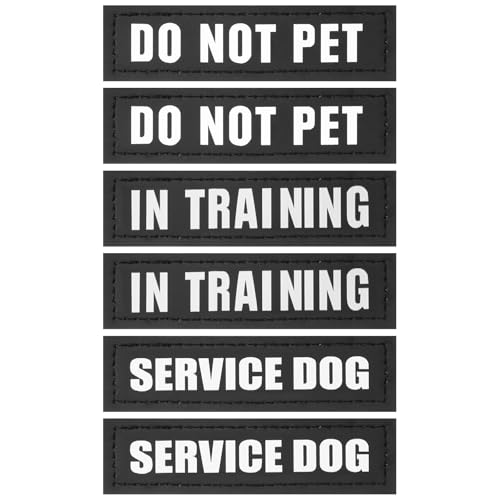
- Vest or cape with “Service Dog” patches: Not legally required but helps prevent access challenges.
- Mobility harness (rigid handle): For balance/bracing tasks (custom fitted).
- Clicker + treat pouch: Precision clicker training accelerates task shaping.
- Kongs & puzzle toys: Mental stimulation between outings.
- High-value treats (freeze-dried liver, cheese sticks): Motivating for public distractions.
🔍 How to Choose a Service Dog Training Program
Not all programs are ethical. Look for these green flags:
- Trainers use science‑based positive reinforcement exclusively.
- They allow you to visit the facility and meet dogs in training.
- They provide a detailed contract, health guarantees, and lifetime support.
- They are transparent about costs and don't promise "instant certification".
- Programs accredited by ADI (Assistance Dogs International) or IGDF are gold standard.
Red flags: guaranteed public access in 6 weeks, expensive certifications, aversive training tools (shock, prong collars), or unwillingness to show references.
❓ Frequently Asked Questions
Yes. Owner-training is legal under the ADA. However, it requires extensive knowledge of task training and public access standards. Most owners work with a professional dog training consultant periodically to avoid common pitfalls.
Labrador Retrievers, Golden Retrievers, and Standard Poodles dominate due to their intelligence, trainability, and stable temperament. Some large breeds like German Shepherds and large dog breeds also excel. For psychiatric work, smartest dog breeds with high sensitivity work well. Avoid fearful or aggressive lines.
Minimum 18–24 months, sometimes up to 3 years for complex tasks. Puppies start with basic obedience and socialization (puppy guide), then progress to advanced public access and task mastery.
Absolutely not. No government agency recognizes online registrations. Buying a vest or ID from a website does not grant rights; only proper training does. Save your money for professional coaching or quality equipment.
ESAs provide comfort by their presence and are not trained for specific tasks. They have housing rights (Fair Housing Act) but no public access rights. Service dogs are individually trained to perform disability‑mitigating tasks and can enter all public spaces.
From a reputable ADI program: $20,000–$50,000 (many non‑profits provide dogs at reduced cost or free after fundraising). Owner‑training with professional help typically $5,000–$15,000.