Tug Toys for Dogs: Benefits, Safety & Best Choices
Turn playtime into bonding, exercise, and training. Discover everything about tug toys – from material selection to safe playing rules.
Tug toys are more than just a piece of rope or rubber. When used correctly, they become a powerful tool for building trust, teaching impulse control, and providing high-quality physical exercise. Whether you have a teething puppy, an energetic herding breed, or a senior dog needing gentle engagement, tug games offer unmatched interaction. But with dozens of options on the market, choosing the right tug toy and understanding safe play rules is essential for a happy, well-behaved dog.
This guide explains why tug toys matter, how to pick the safest materials, step-by-step training techniques, and answers the most common concerns. By the end, you'll feel confident selecting and playing with tug toys that your dog will love — and you'll know exactly where to find the best products through our curated recommendations.
Why Tug Toys Are Essential for Dogs
- Physical & mental workout: Tugging engages muscles, burns energy, and provides mental stimulation that calms anxious or hyperactive dogs.
- Strengthens your bond: Cooperative play releases oxytocin in both human and dog, reinforcing your leadership and affection.
- Teaches impulse control: Games with rules ("take it", "drop it") build self-control, reducing problem behaviors like jumping or door dashing.
- Dental benefits: Rope tug toys help clean teeth and massage gums when chewed under supervision.
- High-value training reward: For many dogs, a tug session is more motivating than treats — ideal for positive reinforcement training.
Did you know? A 10-minute game of tug can burn as much energy as a 30-minute walk for high-drive breeds. It also satisfies the natural predatory instinct in a safe, structured way.
Types of Tug Toys & Material Guide
Not all tug toys are equal. The best choice depends on your dog’s size, chewing strength, and play style. Here are the most common materials with typical price ranges:
🧶 Rope Tugs
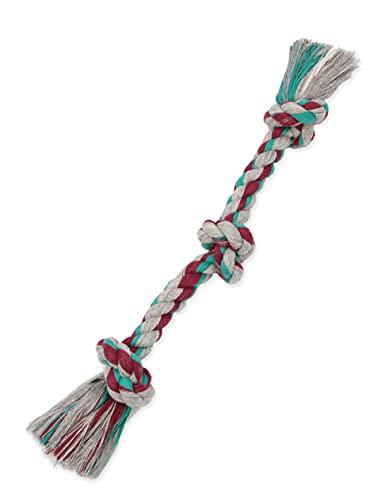
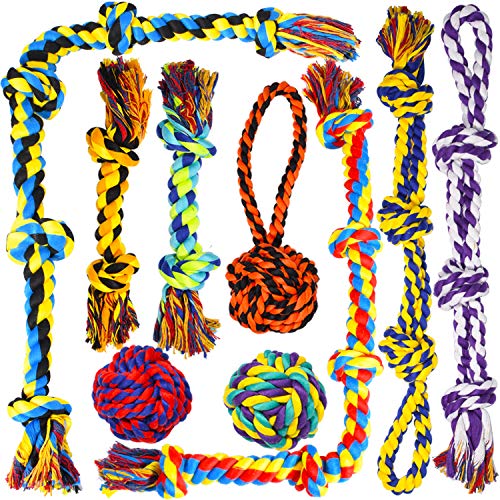
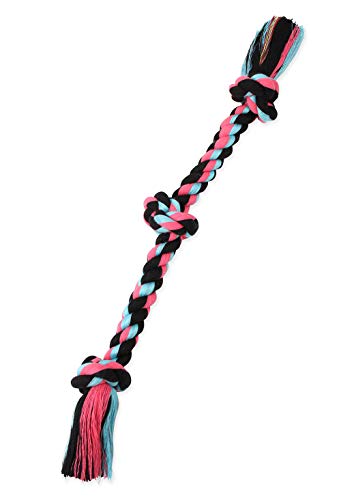
Classic cotton or hemp rope, often with knots. Excellent for interactive tug and light chewing. Replace when frayed to prevent string ingestion. Good for medium chewers.
$8–$18🏋️ Rubber / Silicone Tugs
Durable, easy to clean, gentle on gums. Great for aggressive chewers. Many have handles or rings for comfortable grip. Non-porous and dishwasher-safe.
$12–$28🧸 Fleece / Fabric Tugs
Soft and lightweight, ideal for puppies, seniors, or small breeds. Usually hand-made and gentle on teeth. Less durable for power chewers.
$10–$22🔥 Fire Hose / Military Grade
Recycled fire hose material is nearly indestructible. Best for large, powerful breeds (Bulldogs, Mastiffs, Shepherds). Slightly stiff but extremely long-lasting.
$15–$35🪢 Leather Tugs
Natural, durable, and soft on hands. Often used in protection sports. Requires occasional conditioning. Great for advanced training.
$20–$45🔔 Bungee / Elastic Tugs
Reduces impact on dog’s neck and your arms. Perfect for puppies or dogs with joint concerns. Provides unpredictable bounce that excites many dogs.
$14–$30If your dog loves variety, consider rotating between two or three types. Pairing rope with rubber offers both texture and durability. For aggressive chewers who shred fabric, stick with solid rubber or fire hose options – see our chew toys guide for more heavy-duty alternatives.
How to Choose the Right Tug Toy for Your Dog
- Assess chewing style: Does your dog shred, gnaw, or simply hold? Shredders need rubber/fire hose; gentle holders can use fleece or rope.
- Size matters: For toy breeds (Chihuahuas, Yorkies), a 6–10 inch lightweight tug. For large dogs (Labs, Goldens), choose 12–20 inches with sturdy handles. Giant breeds need reinforced industrial-grade tugs.
- Safety features: No small pieces, non-toxic materials, reinforced stitching. Avoid toys with bells or loose plastic parts.
- Ease of cleaning: Rope tugs can be washed in a washing machine (mesh bag). Rubber tugs are dishwasher-safe. Fleece tugs hand-wash.
- Multi-dog households: Use two identical tugs to prevent resource guarding. Supervise group play to avoid conflict.
🐕 Pro tip: If your dog is new to tug toys, start with a soft fabric or rope tug and keep sessions short (2–3 minutes). Gradually increase intensity once they understand "drop it" and "take it". This builds confidence and prevents over-arousal.
Safety First: 6 Rules for Tug-of-War
Contrary to outdated myths, tug-of-war does not cause aggression when played with structure. Follow these safety guidelines to protect both you and your dog:
- Always supervise: Never leave a dog alone with a tug toy, especially rope toys that can be shredded and swallowed.
- Establish clear rules: Use verbal cues: “take it” to start, “drop it” or “out” to end the game. Reward compliance immediately. Learn more in our dog training section.
- Control the intensity: Move the toy side-to-side rather than lifting up, which can strain the dog’s neck. Let your dog win occasionally to build drive.
- Inspect before each play: Discard if pieces are loose, strings are unraveling, or rubber is cracked. Ingestion can cause intestinal blockage.
- Respect body language: If your dog growls or becomes rigid, stop the game. That signals over-arousal, not dominance. Take a break and resume calmly.
- Set time limits: Keep tug sessions under 5 minutes for puppies and seniors, up to 10 minutes for adult dogs, to avoid over-excitement or muscle strain.
⚠️ Warning signs to stop playing: Snapping, hard eye contact, not releasing on cue, or aggressive vocalisation. Revisit basic positive reinforcement training and consult a behaviorist if issues persist.
Turn Tug Into a Powerful Training Tool
Tug toys are exceptional reinforcers for dogs with high play drive. Integrating tug into your training routine can boost enthusiasm for commands and improve reliability.
- Teach “drop it” with tug: While playing, freeze the toy, say “drop it”. When your dog releases, mark “yes” and immediately restart the game. This teaches that releasing leads to more fun.
- Use tug as a reward for obedience: After your dog performs a “sit” or “down”, initiate a 15-second tug session instead of a treat.
- Build impulse control: Ask for a “stay” while you wiggle the tug. Release with “take it” only after eye contact.
- Combine with off-leash training: Use a tug as a recall reward – after your dog comes, play tug for 30 seconds. It becomes a powerful reinforcer.
- Reduce destructive chewing: Redirect inappropriate chewing (furniture, shoes) to a tug toy and play together. This satisfies the need to pull and shred.
For puppies, always pair tug with bite inhibition exercises. If your puppy mouths your hands, stop tug and re-offer the toy. Consistency teaches them that toys, not skin, are for tugging.
Cleaning & Maintaining Tug Toys
Dirty toys accumulate bacteria and lose durability. Follow these tips to extend lifespan:
- Rope tugs: Wash in washing machine (cold, gentle cycle) inside a mesh laundry bag. Air dry to prevent mildew.
- Rubber/silicone: Wash with soap and warm water or top rack of dishwasher (no heat dry).
- Fleece/fabric: Hand wash with mild detergent and air dry. Do not machine dry.
- Leather: Wipe with damp cloth, occasionally condition with leather balm (non-toxic).
Inspect weekly for wear. Once you see loose threads, cracks, or missing chunks, recycle the toy and replace it.
Debunking Myths: Tug Toys & Aggression
Many owners fear tug-of-war encourages aggression. However, multiple peer-reviewed studies (including applied animal behavior journals) show that structured tug play actually decreases aggression and improves a dog's responsiveness to owners. The key is enforcing rules and never using physical punishment. Dogs that learn to tug and release on cue demonstrate better behavioral regulation than those never allowed to play.
Still worried? Start with a low-arousal tug toy and practice “drop it” in quiet environments. If your dog shows any stiffness, end the game calmly and revert to basic obedience. With patience, tug becomes a safe, joyful activity.
Frequently Asked Questions About Tug Toys
🐾 Ready to upgrade playtime? The right tug toy transforms exercise into a cooperative game that tires both body and mind. Browse our expert-recommended tug toys below – each product is selected for safety, durability, and value. Whether you need a gentle puppy tug or an indestructible option for a power chewer, you’ll find the perfect match.