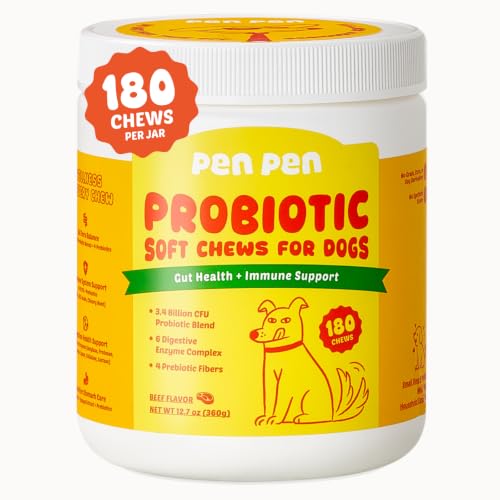
Dog Digestive Issues: Complete Guide to Symptoms, Causes & Treatments
Understanding your dog's gut health is crucial for their overall wellbeing. This guide covers everything from mild upset stomachs to serious conditions — helping you recognize warning signs, provide home care, and know when to see a vet.
Digestive issues are among the top reasons dog owners visit the vet. Whether it's intermittent loose stools, chronic vomiting, or excessive gas, these problems cause discomfort for your dog and stress for you. The good news: many digestive disturbances can be managed with proper diet, routine care, and early intervention. This guide combines veterinary insights with practical advice to help you navigate your dog's digestive health confidently.
Common Digestive Problems in Dogs
Dogs experience a range of gastrointestinal (GI) issues, from mild to life-threatening. Understanding the most frequent conditions helps you act quickly and appropriately.
🐾 Diarrhea
Loose or watery stools can be acute (sudden) or chronic. Common causes include dietary indiscretion, infections, parasites, or stress. Small amounts of blood may indicate colitis.
🤢 Vomiting
Occasional vomiting may be harmless, but repeated vomiting (especially with bile or blood) signals trouble. Regurgitation (passive) differs from vomiting (active).
💨 Excessive Gas
Flatulence is often diet-related, caused by poorly digestible foods, dairy, or rapid eating. Chronic gas with bloating can be a sign of malabsorption.
⚠️ Bloating (GDV)
Gastric Dilatation-Volvulus is a medical emergency. Signs: distended abdomen, unproductive retching, restlessness. Large, deep-chested breeds are at highest risk.
🚽 Constipation
Infrequent or hard, dry stools. Often caused by dehydration, lack of fiber, or obstructions (e.g., ingested bones or foreign bodies).
🍽️ Loss of Appetite
Anorexia in dogs can accompany many GI issues. If it lasts more than 24 hours, seek veterinary advice — especially in puppies or senior dogs.
Recognizing Digestive Symptoms Early
Subtle changes in your dog's behavior or stool can be the first indicators of a digestive problem. Look for these signs:
- Changes in stool consistency (watery, mucous, or hard pebbles)
- Blood in stool or vomit (red or digested black/tar-like)
- Audible stomach gurgling or bloated abdomen
- Lethargy, weakness, or unwillingness to move
- Lip smacking, drooling, or swallowing excessively (nausea)
- Weight loss despite normal food intake
- Frequent scooting (anal gland issues secondary to diarrhea)
What Causes Digestive Issues in Dogs?
Identifying the underlying cause is essential for effective treatment. Common triggers include:
- Dietary indiscretion: Eating garbage, table scraps, or toxic foods (chocolate, grapes, xylitol). Learn more about dangerous foods for dogs.
- Sudden diet changes: Switching food without a gradual transition (over 5–7 days) disrupts gut flora.
- Food allergies or intolerances: Proteins (beef, chicken, dairy) or grains can trigger inflammation.
- Parasites: Roundworms, hookworms, giardia, and coccidia commonly cause diarrhea, especially in puppies. Follow a proper parasite prevention schedule.
- Bacterial or viral infections: Salmonella, E. coli, parvovirus (unvaccinated puppies), or coronavirus.
- Stress and anxiety: Travel, boarding, new pets, or routine changes can cause stress-induced colitis.
- Foreign bodies: Ingested toys, bones, or fabric cause obstructions, leading to vomiting and constipation.
- Underlying diseases: Pancreatitis, kidney disease, liver disease, inflammatory bowel disease (IBD), or exocrine pancreatic insufficiency (EPI).
Home Care: How to Soothe Your Dog's Upset Stomach
For mild, uncomplicated digestive upsets (no vomiting, no blood, dog is still active), you can try these veterinarian-approved home remedies:
- Withhold food for 12–24 hours (puppies 6–12 hours). Always provide fresh water.
- Introduce a bland diet: Mix boiled white rice (75%) with boiled lean chicken, turkey, or low-fat cottage cheese (25%). Feed small portions 3–4 times daily.
- Add 100% pure pumpkin (not pie filling): 1–2 tablespoons for medium dogs. Pumpkin fiber helps both diarrhea and constipation.
- Probiotics: Dog-specific probiotics replenish good gut bacteria. Look for products with multiple strains and colony-forming units (CFUs).
- Bone broth (no onion/garlic): Provides hydration and nutrients. Simmer bones for 24 hours, strain, and serve warm.
After 24 hours of bland diet and improvement, slowly transition back to regular food over 2–3 days. If symptoms worsen or persist, stop home care and consult your vet.
When to Seek Professional Veterinary Care
While mild cases resolve at home, certain symptoms demand immediate medical attention. Schedule a vet visit if you notice:
- Vomiting or diarrhea lasting more than 24–48 hours
- Blood in vomit or stool (bright red or dark/black)
- Suspected ingestion of a foreign body or toxin
- Abdominal pain (whining, refusal to lie down, hunched back)
- Dehydration signs: dry gums, sunken eyes, loss of skin elasticity
- Fever (temperature above 102.5°F) or lethargy
- No improvement after 24 hours of bland diet
Your veterinarian may perform fecal exams, blood work, X-rays, or ultrasound to diagnose the root cause. Treatments can include antiemetics, antibiotics, fluids, or specialized prescription diets. For chronic conditions like IBD or pancreatitis, long-term management with diet and medication is often required.
Preventing Digestive Disasters: Long-Term Gut Health
An ounce of prevention is worth a pound of cure. Follow these strategies to keep your dog's digestive system running smoothly:
- Consistent feeding schedule: Feed measured meals at the same times daily. Avoid free-feeding if your dog tends to overeat.
- Slow-feed bowls or puzzle feeders: Reduce air swallowing and bloat risk. Also provides mental stimulation.
- Gradual diet transitions: Mix new food with old over 5–7 days, increasing the proportion slowly.
- Avoid table scraps and garbage access: Secure trash cans and keep human food out of reach.
- Regular deworming and fecal checks: Follow your vet’s parasite prevention protocol.
- Probiotic supplements: Daily probiotics can strengthen gut immunity, especially after antibiotic use or stressful events.
- Fresh, clean water always available.
For dogs with recurrent issues, consider an elimination diet trial with your vet to identify food sensitivities. Many dogs thrive on commercial raw diets or limited-ingredient kibble.
Best Commercial Dog Foods for Digestive Health
Choosing the right food is the single most impactful decision for dogs with chronic digestive issues. Look for these features:
| Food Type | Key Ingredients to Seek | Brand Examples |
|---|---|---|
| Limited Ingredient Diets (LID) | Single protein source (duck, salmon, venison), limited carbs, no artificial additives | Canidae PURE, Natural Balance L.I.D. |
| Hydrolyzed Protein | Proteins broken down into tiny molecules to avoid immune reaction | Hill's z/d, Royal Canin Hydrolyzed Protein |
| Grain-Free with Probiotics | Peas, lentils, pumpkin, chicory root (prebiotic), added probiotics | Wellness CORE, Taste of the Wild |
| Gastrointestinal Prescription Diets | Highly digestible, low fat, added electrolytes and prebiotics | Purina Pro Plan EN, Royal Canin Gastrointestinal |
Always transition slowly to any new food. If your dog has severe or chronic issues, ask your vet about prescription GI diets — they are scientifically formulated for conditions like colitis, pancreatitis, and EPI. For puppy-specific needs, see our guide to the best puppy food which includes sensitive stomach options.
Top Supplements for Digestive Support
Beyond food, these supplements can dramatically improve your dog's gut health:
- Probiotics: Live beneficial bacteria. Look for multi-strain products with Enterococcus faecium, Lactobacillus acidophilus, and Bifidobacterium.
- Prebiotics: Fiber that feeds good bacteria (e.g., inulin, FOS). Often combined with probiotics.
- Digestive enzymes: Help break down proteins, fats, and carbs — especially useful for EPI or senior dogs.
- Slippery elm bark: Soothes irritated GI lining, helps both diarrhea and constipation.
- Psyllium husk: A soluble fiber that regulates stool consistency.
Before adding any supplement, consult your veterinarian to avoid interactions with medications or underlying conditions. Many of these products are available as powders, chews, or capsules and can be easily mixed into meals.
Frequently Asked Questions About Dog Digestive Issues
🐶 Take Control of Your Dog's Digestive Health Today
Understanding the signs, causes, and solutions for digestive issues empowers you to act quickly and effectively. A healthy gut means a happier, more energetic dog. Use the product recommendations below to find vet-approved supplies — from sensitive stomach foods to high-quality probiotics — that can make all the difference. When in doubt, always consult your veterinarian.