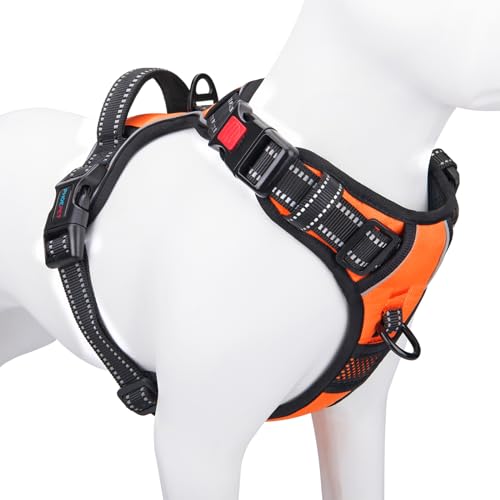
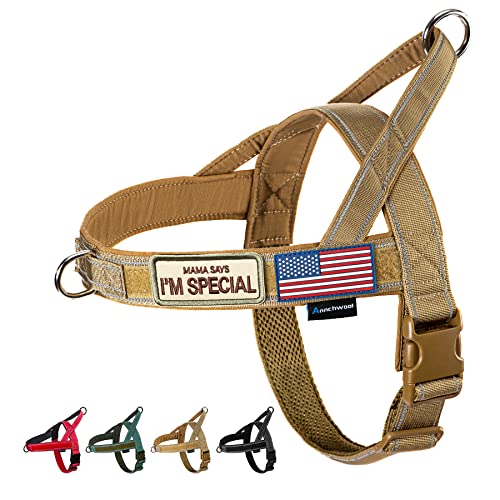
The Complete Guide to Dog Harnesses
Say goodbye to pulling, choking, and escapes. Discover which harness style fits your dog's body and behavior — and walk with confidence.
A dog harness is more than just a walking accessory — it’s a game‑changer for safety, control, and comfort. Unlike traditional collars that put pressure on the trachea, a harness distributes force across the chest and shoulders, protecting your dog’s neck and reducing the risk of injury. Whether you have a puppy that pulls, a senior with delicate health, or an escape artist, the right harness transforms walks from a struggle into a pleasure.
In this guide, you’ll learn about every major harness type, how to measure and fit perfectly, safety features, and answers to the most common questions. By the end, you’ll know exactly which harness suits your dog — and where to find the best dog products from trusted brands.
Types of Dog Harnesses
🔹 Front‑Clip (No‑Pull)
Leash attaches at the chest. When the dog pulls, the harness gently steers them sideways, discouraging pulling naturally.
$25 – $60- Best for strong pullers
- Discourages lunging
- Ideal for loose‑leash training
🔹 Back‑Clip Harness
Attachment point on the back. Simple, comfortable, and great for well‑behaved walkers or small breeds.
$15 – $45- Easy to put on
- No interference with legs
- Suitable for daily exercise
🔹 Dual‑Clip (Versatile)
Two attachment points: chest and back. You can switch clips depending on the situation or training phase.
$30 – $70- Adaptable for different dogs
- Use back clip for casual walks
- Front clip for reactive moments
🔹 Step‑In Harness
Dog steps into two loops, then you buckle up on the back. Perfect for dogs that dislike things going over their head.
$20 – $50- Head‑shy dog friendly
- Often lightweight
- Great for small to medium breeds
🔹 Vest / Padded Harness
Wraps around the torso like a vest, offering maximum padding and even pressure distribution. Ideal for short‑snouted breeds.
$40 – $90- Superior comfort
- Built‑in handle for lifting
- Recommended for brachycephalic dogs
🔹 Heavy‑Duty / Escape‑Proof
Reinforced straps, extra buckles, and a third belly strap. Designed for escape artists and large power breeds.
$50 – $110- Security clips
- Double leash attachments
- Ideal for anxious dogs
Why Choose a Harness Over a Collar?
Many owners still rely on flat collars, but veterinary behaviorists and trainers increasingly recommend harnesses for daily walks. Here’s why:
- Prevents tracheal damage: Collars can crush the trachea in small breeds or cause “collapsed trachea” over time. Harnesses eliminate that risk.
- Better control for reactive dogs: If your dog lunges at triggers, a front‑clip harness lets you redirect safely without neck strain. Learn more about managing dog aggression.
- Escape prevention: Many dogs can back out of a collar; a well‑fitted harness (especially with a belly strap) is nearly impossible to slip.
- Reduced stress on puppies: Puppy necks are delicate. Harnesses make positive training safer and more comfortable.
- Works with positive reinforcement: No pain, no choking — just gentle guidance, which builds trust and reduces anxiety.
How to Measure & Fit a Dog Harness Correctly
An improperly fitted harness can cause chafing, restrict movement, or even allow escapes. Follow these 4 steps using a soft measuring tape:
- Measure the chest girth: Wrap the tape around the widest part of the ribcage, right behind the front legs. This is your primary size metric for 95% of harnesses.
- Neck circumference (if required): Some harnesses also need neck measurement. Measure around the base of the neck where a collar would sit.
- Check weight & breed recommendations: Always consult the brand’s size chart. For example, a small dog breed often needs an XS or S, while large dog breeds may need L or XL.
- The “Two‑Finger Rule”: After fitting, you should be able to slip two fingers flat between the harness and your dog’s body — not too tight, not loose enough to twist.
Safety Features & What to Look For
Not all harnesses are created equal. Prioritize these features for maximum safety and durability:
Essential for early morning or winter walks.
Prevents chafing, especially on short‑haired breeds.
Plastic ones can break under strong pulling.
Make it easy to put on/take off without wrestling.
For extra peace of mind, consider harnesses with a top handle (great for lifting small dogs over obstacles or pulling them away from danger) and a seatbelt loop for car travel safety. Combining a harness with a quality dog leash and dog collar (for ID tags only) gives you a complete walking system.
Quick Comparison: Popular Harness Styles
| Harness Style | Best For | Control Level | Comfort | Avg Price |
|---|---|---|---|---|
| Front‑Clip (No‑Pull) | Pullers, reactive dogs | High (steering effect) | Moderate | $30–55 |
| Back‑Clip | Calm walkers, puppies | Low | Very high | $20–40 |
| Vest / Padded | Short noses, sensitive skin | Medium | Very high | $45–85 |
| Step‑In | Head‑shy dogs, small breeds | Medium | High | $25–50 |
| Escape‑Proof | Houdini dogs, anxious dogs | High | Moderate | $60–110 |
Using a Harness for Loose‑Leash Walking & Behavior
Even the best harness won’t fix pulling overnight — you still need consistent training. Start by pairing the harness with high‑value treats and using the positive reinforcement method. If your dog pulls, stop moving and wait until the leash slackens, then reward. A front‑clip harness accelerates this process. For dogs that become overstimulated on walks, check our guides on calming products and anxiety wraps to reduce outdoor stress. Additionally, combining a harness with clicker training builds clear communication.
Caring for Your Dog Harness
Most harnesses can be hand‑washed with mild soap and air‑dried. Avoid machine drying — heat damages nylon webbing and buckles. Inspect regularly for frayed stitching or cracked plastic clips, especially if you have a strong terrier or mastiff. A worn harness can snap unexpectedly. Also, rotating between two harnesses extends lifespan and allows thorough cleaning.
Frequently Asked Questions About Dog Harnesses
🐕 Ready to find the perfect harness? The products below are hand‑picked from Amazon based on real owner reviews, safety standards, and durability. Whether you need a no‑pull harness for a stubborn puller or a padded vest for a small breed, you’ll find top‑rated options. Click any product for current prices and customer feedback — your dog will thank you for a comfortable, secure fit.