Dog GPS Tracker: The Ultimate Guide to Keeping Your Pet Safe
Discover how GPS trackers work, what features matter most, and how to choose the right device to ensure you never lose your best friend.
Every dog owner knows the sinking feeling of looking around the yard and not seeing their dog. Whether your dog is a notorious escape artist, a curious explorer, or simply a beloved family member, the fear of them getting lost is real. A dog GPS tracker is one of the most powerful tools you can add to your pet safety arsenal.
Unlike a microchip, which is a passive form of identification, a GPS tracker actively shows you where your dog is in real time. This guide will walk you through everything you need to know about dog GPS trackers, from how they work to how to pick the best one for your dog's unique needs.
How Dog GPS Trackers Work
A dog GPS tracker is a small device that attaches to your dog's collar. It uses a combination of technologies to determine and transmit your dog's location:
- GPS Satellites: The tracker receives signals from GPS satellites to calculate its precise location on Earth. This is the same technology used in car navigation systems.
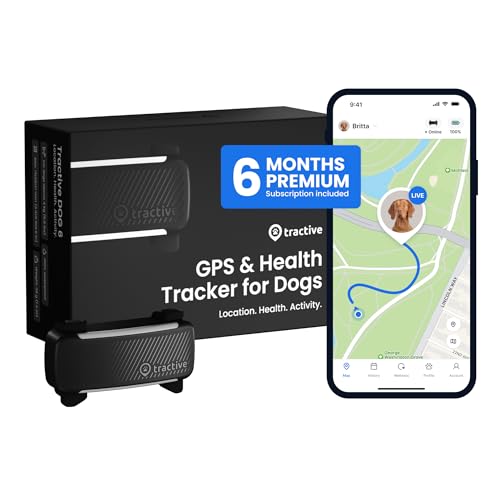
- Cellular Networks: Most modern trackers use cellular data (like a smartphone) to send the location data to a cloud server, which you can then view on a mobile app. This requires a subscription plan.
- Radio Frequency (RF): Some trackers use radio waves to communicate directly with a handheld receiver. These do not require a subscription but have a much shorter range, typically a few miles in open areas.
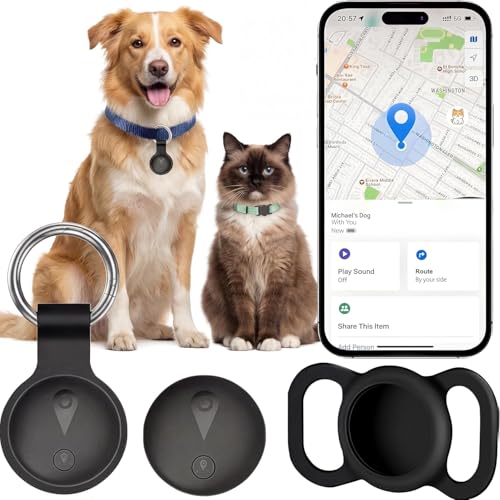
- Bluetooth: A few trackers use Bluetooth to create a local network. These are limited to a very short range (around 100 feet) and are best for finding a dog hiding in the house or yard, not for long-distance tracking.
The best trackers combine GPS for location with cellular or RF for transmission, giving you a real-time view of your dog's whereabouts on a map. Some advanced models also include Wi-Fi for more precise indoor tracking.
Types of Dog GPS Trackers
Not all trackers are created equal. Understanding the different types will help you narrow down your options:
Cellular GPS Trackers
These are the most common and versatile trackers. They use cellular networks to provide real-time tracking over long distances, often with unlimited range as long as there is cell coverage. They typically require a monthly subscription. Ideal for most dog owners who want peace of mind anywhere.
Mid-range to premiumRadio Frequency (RF) Trackers
These trackers use radio waves to communicate with a handheld unit. They do not require a subscription and work in areas without cell coverage. However, their range is limited (typically 1-5 miles) and they are less common. Best for rural areas or as a backup.
Entry-level to mid-rangeBluetooth Trackers
These are essentially short-range tags that rely on Bluetooth. They are inexpensive and have good battery life, but their range is very limited (around 100 feet). They are best for finding a dog hiding in the house or for keeping track of keys, not for real-time outdoor tracking.
Budget-friendlyHybrid Trackers
These combine GPS, cellular, and sometimes Wi-Fi or Bluetooth for the most robust tracking. They can switch between technologies to provide the best possible location data, even indoors. They are typically the most feature-rich and expensive option.
Premium to luxuryKey Features to Compare
When shopping for a dog GPS tracker, don't just look at the price. These are the features that truly matter:
| Feature | Why It Matters |
|---|---|
| Real-Time Tracking | How often the tracker updates its location. A tracker that updates every 2-3 seconds is ideal for active dogs; one that updates every minute may be sufficient for a dog in a secure yard. |
| Battery Life | Longer battery life means less frequent charging. Look for a tracker that lasts at least 5-7 days on a single charge, or one that uses a replaceable battery. |
| Water Resistance | Dogs get wet. A tracker should be at least water-resistant (IPX7 or better) to survive rain, swimming, and accidental dunks. |
| Coverage Area | Does the tracker work in your area? Cellular trackers depend on network coverage. Check the coverage map before you buy. |
| Safe Zone Alerts | You can set a virtual boundary (e.g., your yard). If your dog leaves the zone, you get an instant notification. This is a must-have feature. |
| Activity Monitoring | Many trackers double as fitness trackers, monitoring your dog's daily activity. This can be useful for managing weight and exercise. |
| Size and Weight | The tracker should be appropriate for your dog's size. A large tracker on a small dog is uncomfortable and may cause neck strain. Look for lightweight models for toy and small breeds. |
| Subscription Cost | Most cellular trackers require a monthly or annual fee. Factor this into your budget. Some trackers offer a free basic plan with limited features. |
Benefits of Using a GPS Tracker
Investing in a GPS tracker offers numerous benefits that go beyond simply finding a lost dog:
- Peace of Mind: Knowing you can locate your dog at any moment reduces anxiety, especially if you have a dog that loves to explore.
- Faster Recovery: If your dog does escape, you can find them quickly, reducing the time they are at risk from traffic, other animals, or harsh weather.
- Behavioral Insights: Activity monitoring can help you understand your dog's daily patterns and ensure they are getting enough exercise.
- Training Tool: Some trackers can be used to reinforce recall training by helping you track your dog's movements during off-leash sessions.
- Travel Safety: When traveling to new places, a tracker ensures you can always find your dog if they get loose in an unfamiliar area.
- Senior Dog Care: For older dogs with cognitive decline, a tracker can help you locate them if they wander or get disoriented. This is a common concern for owners of senior dogs.
How to Choose the Right Tracker
With so many options on the market, choosing the right tracker can be overwhelming. Follow these steps to make an informed decision:
- Assess Your Dog's Size: A Chihuahua needs a much smaller and lighter tracker than a Great Dane. Check the weight of the device and ensure it is comfortable for your dog.
- Consider Your Environment: Do you live in a city, suburb, or rural area? Cellular trackers work best in areas with good cell coverage. If you live off-grid, an RF tracker might be a better choice.
- Determine Your Budget: Trackers range from entry-level to luxury. Remember to factor in the subscription cost, which can vary significantly.
- Evaluate Battery Life: If you have a very active dog, you may need a tracker with a longer battery life or one that uses a replaceable battery.
- Check for Waterproofing: If your dog loves to swim or you live in a rainy climate, prioritize a waterproof tracker.
- Read Reviews: Look for real-world reviews from other dog owners. Pay attention to comments about accuracy, reliability, and customer service.
- Test the App: Before committing, download the tracker's app and read reviews. A clunky app can ruin the experience, even if the hardware is good.
Pro Tip: Consider a tracker that can be used with a collar and GPS tracker combo. Some brands offer integrated collars that are more comfortable and secure than attaching a separate device to an existing collar.
Setup and Training Tips
Once you have your tracker, proper setup and training are key to getting the most out of it:
- Charge Fully Before Use: Ensure the tracker is fully charged and the app is set up before you put it on your dog.
- Introduce Slowly: Let your dog sniff the tracker and give treats. Put it on for short periods at first, gradually increasing the time.
- Set Safe Zones: Use the app to set a safe zone around your home. Test the alert system to ensure it works.
- Practice Recall: Use the tracker during recall training. Reward your dog for coming when called, and use the tracker to monitor their progress.
- Check Fit Regularly: Ensure the collar is snug but not too tight. You should be able to fit two fingers between the collar and your dog's neck.
- Monitor Battery: Develop a routine for charging the tracker. Many apps will send a notification when the battery is low.
Common Mistakes to Avoid
Even with the best intentions, owners can make mistakes with GPS trackers. Avoid these common pitfalls:
- Relying Solely on the Tracker: A tracker is a tool, not a substitute for a secure fence or leash. Always use a dog fence or leash in unfenced areas.
- Forgetting the Microchip: A GPS tracker can fail or run out of battery. A microchip is a permanent backup. Make sure your dog is microchipped and your contact info is up to date.
- Not Testing the Tracker: Before you need it, test the tracker's accuracy and alerts. Walk around the block and see how well it tracks.
- Ignoring Battery Life: A dead tracker is useless. Set reminders to charge it and consider a tracker with a longer battery life.
- Choosing the Wrong Size: A tracker that is too heavy can be uncomfortable for your dog. Always check the weight and size recommendations.
Frequently Asked Questions
Ready to Keep Your Dog Safe?
A dog GPS tracker is one of the best investments you can make for your dog's safety. By understanding how they work, what features matter, and how to choose the right one, you can ensure that you are always connected to your best friend. Remember to pair your tracker with a secure collar and GPS tracker combo for the best fit and comfort. And if you're traveling, don't forget a dog car harness to keep your dog safe in the car as well.