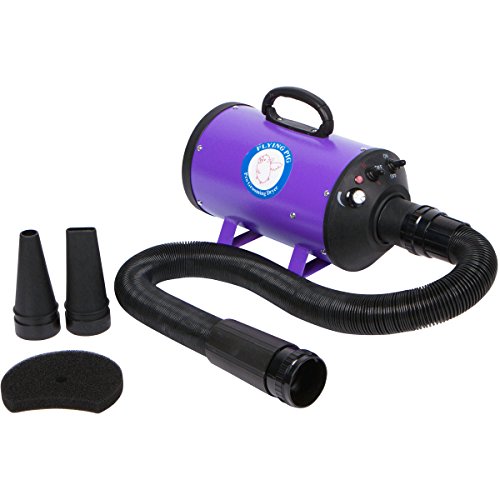
Dog Dryer Guide: Choosing the Right Dryer for Your Dog
Everything you need to know about dog dryers — how they work, which type suits your dog's coat, and how to dry your dog safely without stress, burns, or matting.
Bathing your dog is only half the job. A wet coat left to air-dry can lead to skin irritation, matting, and chilling — especially in double-coated and long-haired breeds. A dedicated dog dryer solves this problem, but the market is crowded with models that look similar and promise very different things.
This guide cuts through the marketing noise. You will learn how dog dryers actually work, which type fits your grooming routine, and how to dry your dog without turning bath time into a battle. If you are still building your grooming kit, pair this guide with our overview of dog grooming tools and our guide to dog brushes so every step of the process works together.
Why Your Dog Needs a Proper Dryer
Many owners assume a towel rub-down is enough. For short-coated dogs in warm weather, it sometimes is. For most other dogs, it is not. Here is why a dedicated dryer matters:
- Prevents skin problems: A damp undercoat traps moisture against the skin, creating the perfect environment for hot spots, fungal infections, and bacterial growth. Thorough drying is one of the simplest ways to protect skin health.
- Prevents matting: Wet hair clumps and tightens as it dries. On long-haired breeds, air-drying almost guarantees mats that are painful to remove. A dryer keeps the coat separated while it dries.
- Reduces chilling: Small dogs, senior dogs, and short-haired breeds lose body heat quickly when wet. A dryer gets them warm and dry fast, which matters in cooler months.
- Reveals the real coat: Only a fully dried coat shows its true texture and volume. This makes it easier to spot lumps, parasites, or skin issues during your post-bath check.
- Keeps your home clean: A wet dog shakes, rolls, and rubs against furniture. Drying your dog properly before release prevents damp patches, odors, and hair everywhere.
Important context: Dogs with certain skin conditions, ear infections, or recent surgery may need veterinary guidance before grooming. If your dog has ongoing skin issues, review our guide on dog ear infections and speak to your vet about safe drying practices.
Types of Dog Dryers
Dog dryers fall into a few broad categories. Each has trade-offs in airflow, noise, heat control, and how much hands-on handling they require. Understanding these differences is the fastest way to narrow your options.
Forced-Air Dryers
The most popular choice for home groomers. These push a high volume of air at a controlled temperature rather than relying on intense heat. They dry the coat quickly, lift the undercoat, and are less likely to burn skin than heated dryers.
mid-range to premiumStand Dryers
Mounted on a stand or arm so the nozzle stays in place while you brush. Excellent for long sessions and multi-dog households, since you get both hands free. Bulkier and typically positioned at the higher end of the market.
premium to high-endHandheld Dryers
Compact units you hold while drying. Easier to store and more affordable, making them a good fit for small dogs and occasional grooming. Airflow is usually lower, so thick coats take longer.
entry-level to mid-rangeDryer and Brush Combos
Combine airflow with a grooming head that helps detangle as you dry. Convenient for light coats, but often less powerful than dedicated dryers. Best treated as a supplementary tool.
budget-friendly to mid-tierQuiet / Low-Noise Dryers
Designed for anxious dogs and puppies. Reduced motor noise and gentler airflow make the experience less frightening. They trade some drying speed for comfort, which is often the right call.
mid-rangeCage Dryers
Enclosed units that dry a dog inside a ventilated chamber. Used mainly by professional groomers. Not recommended for home use unless you can supervise constantly, as overheating risk is higher.
professional tierIf you regularly use a professional groomer, it is still worth owning a dryer for between-visit maintenance. Our guide on dog grooming services explains what to expect from professional sessions versus what you can reasonably handle at home.
Key Features to Compare
Two dryers that look identical on a product page can perform very differently. Focus on these features when comparing models:
| Feature | Why It Matters | What to Look For |
|---|---|---|
| Adjustable airflow | Controls drying speed and comfort | Multiple speed settings, ideally a low setting for face and ears |
| Heat control | Prevents skin burns and overheating | Variable heat or heat-free airflow with a cool-shot option |
| Noise level | Affects your dog's stress during drying | Quiet motor, especially for anxious dogs and puppies |
| Hose length | Determines handling comfort and reach | Long enough to move freely around your dog |
| Filtration | Protects the motor and keeps hair out of the air | Removable, washable lint filter |
| Safety cut-off | Prevents overheating if airflow is blocked | Overheat protection and a stable base |
| Nozzle attachments | Directs air for different coat areas | Concentrator and wide nozzles for body versus face |
Buying tip: For thick double coats, prioritize airflow over heat. Strong, cool airflow does more to separate the undercoat and dry it thoroughly than higher temperatures, which mostly risk discomfort. A mid-range forced-air model with strong airflow often outperforms a high-end heated dryer for these breeds.
Matching a Dryer to Your Dog's Coat
The right dryer depends less on your budget and more on your dog. Coat type, size, and temperament should drive the decision.
By Coat Type
- Short, smooth coats: A handheld dryer on low heat is usually sufficient. These coats dry fast and rarely mat.
- Double coats: A forced-air dryer with strong airflow is essential. Never shave a double coat to speed drying — it damages temperature regulation.
- Long, silky coats: A stand dryer paired with a brush lets you dry and detangle simultaneously, reducing mat formation.
- Curly coats: High airflow with a diffuser-style nozzle helps dry curls without frizzing or tightening mats.
- Wire coats: Moderate airflow and low heat preserve coat texture. Overheating can make the coat brittle.
By Size and Temperament
- Small dogs: Handheld or compact forced-air units are plenty and easier to store.
- Medium dogs: A mid-range forced-air dryer covers both drying power and handling.
- Large and giant breeds: Prioritize high airflow and a long hose. Drying time grows quickly with body size.
- Anxious dogs: Choose a quiet model and introduce it gradually. Our guide on dog calming products can help if grooming stress is a recurring issue.
- Puppies: Use a low-noise dryer on the gentlest settings to build positive associations early.
If your dog is a breed that needs frequent coat maintenance, it is worth reviewing what tools pair best with a dryer. Our dog grooming tools overview covers the brush, comb, and clipper combinations that work well alongside a dryer.
Safe Drying Techniques
A dog dryer is only as safe as the person using it. These habits matter more than the model you buy:
- Start on the lowest settings. Introduce heat and airflow gradually. Many dogs need a few sessions to accept the dryer, and starting gently builds trust.
- Keep the nozzle moving. Never hold the dryer in one spot. Constant motion prevents hot spots and skin burns, even on cooler settings.
- Maintain distance. Keep the nozzle several inches from the skin. The closer it gets, the higher the risk of overheating and tangling the coat.
- Dry the body before the head. Start with the back and sides, then move to legs, tail, and finally the face and ears on the gentlest setting.
- Check the skin with your hand. Periodically touch the skin under the coat. If it feels hot, stop and let the area cool.
- Never leave your dog unattended. Even a quiet dryer is not a substitute for supervision. Puppies and anxious dogs should always be watched.
- Watch for stress signals. Panting, trembling, lip licking, or trying to escape mean it is time to pause. A short break beats forcing the process.
Heat safety reminder: Dogs cannot sweat like humans. Overheating during drying is a real risk, especially in warm rooms. Keep the room ventilated, work in short sessions, and offer water breaks for larger dogs.
Common Drying Mistakes
These mistakes are easy to make and hard to notice until a problem develops. Avoid them from the start:
- Using a human hair dryer on high heat. Human dryers run hotter than dog-safe equipment and can burn sensitive skin. If you have no alternative, use the cool setting only.
- Rushing the face and ears. These areas have thin skin and are close to the eyes. Always use the lowest airflow and never point the nozzle directly into the ear canal.
- Skipping the towel step. Blotting excess water with a towel first cuts drying time significantly and reduces how long your dog must tolerate the dryer. A good towel belongs in every dog bath routine.
- Drying a matted coat. Heat and airflow can tighten existing mats. Detangle first or consult a groomer — see our guide on dog grooming services if mats are severe.
- Ignoring the filter. A clogged filter reduces airflow and strains the motor. Clean it after every few sessions.
- Drying in a closed, hot room. Ventilation keeps both you and your dog comfortable and reduces overheating risk.
Maintaining Your Dog Dryer
A well-maintained dryer lasts longer, runs quieter, and stays safe. Basic upkeep takes only a few minutes:
- Clean the lint filter regularly. Most models have a removable filter that collects hair and dust. Rinse or brush it clean every few uses.
- Check the hose and nozzle. Look for cracks, loose connections, or hair buildup that could restrict airflow.
- Store it dry. Coil the hose loosely and store the unit in a dry place. Moisture left in the hose can lead to odors or mold.
- Inspect the power cord. Frayed cords are a safety hazard, especially near water. Replace damaged cords rather than repairing them.
- Follow the manual for deep cleaning. Some motors benefit from occasional dust removal. Always unplug before any maintenance.
If you are assembling a full grooming station, pair your dryer with the right bathing setup. Our dog bath guide covers tubs, restraints, and drainage so the whole process runs smoothly.
Frequently Asked Questions
Ready to Choose Your Dog Dryer?
Compare our recommended models below and find the right match for your dog's coat and your grooming routine.
See Recommended Dog Dryers