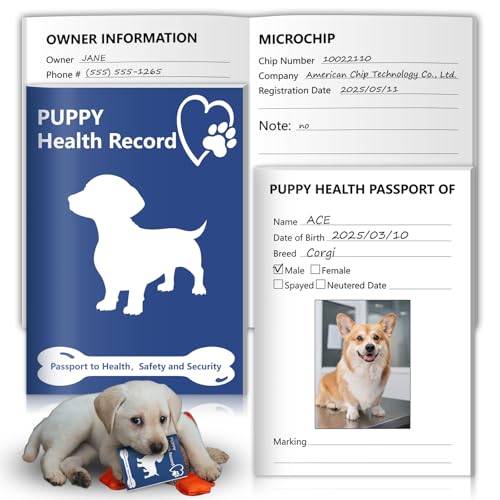
Puppy Vaccination Schedule: Complete Protection Timeline
Vaccines save lives. This evidence-based guide walks you through every shot your puppy needs, exact timing, costs, and what to expect before & after each visit.
🐾 Why Follow a Strict Puppy Vaccination Schedule?
Newborn puppies receive temporary immunity from their mother’s milk (maternal antibodies), but this protection fades by 6–16 weeks of age. Without vaccines, puppies are highly vulnerable to deadly diseases like parvovirus, distemper, and canine hepatitis. Following an age-appropriate vaccine timeline bridges this immunity gap and builds lifelong protection. Delaying or skipping vaccines puts your puppy and other dogs at risk. Responsible owners combine their complete puppy guide with a vet-approved shot plan.
🛡️ Core vs. Non‑Core Vaccines: What Every Puppy Needs
✅ Core Vaccines (Essential for all puppies)
DHPP (Distemper, Hepatitis, Parainfluenza, Parvovirus) – protects against highly contagious, often fatal illnesses. Rabies – required by law in most states, fatal to humans & animals.
⚠️ Non‑Core (Lifestyle-based)
Bordetella (kennel cough): needed if puppy attends daycare, boarding, or training classes. Leptospirosis: for dogs exposed to wildlife or standing water. Lyme disease: high tick areas. Canine Influenza: regional risk.
Your veterinarian will recommend non-core vaccines based on geography and your puppy’s lifestyle. For example, a city apartment puppy might need Bordetella but not Lyme; a rural farm puppy needs Leptospirosis. Learn more about early puppy socialization and how safe social exposure aligns with vaccine status.
📅 Puppy Vaccination Schedule by Age (Veterinarian Standard)
| Puppy Age | Recommended Vaccines | Booster / Next Due |
|---|---|---|
| 6–8 weeks | DHPP (first dose), deworming | Booster in 3–4 weeks |
| 10–12 weeks | DHPP (second dose), Bordetella (optional), Leptospirosis (if risk) | Third dose at 14–16 weeks |
| 14–16 weeks | DHPP (third dose), Rabies (required by law), final Leptospirosis/Lyme | Rabies booster at 1 year, then every 1–3 years |
| 12–16 months | DHPP booster, Rabies booster | DHPP every 3 years; Rabies per local law |
| Adult boosters | DHPP (every 3 years) / Non-core annual boosters | Vet will tailor to risk |
Important: Some large/giant breeds may benefit from adjusted timing; always follow your vet’s protocol. For more details on early wellness, see our puppy preparation guide and best puppy food recommendations to support immune health.
💰 How Much Does Puppy Vaccination Cost? (Realistic Pricing)
Vaccination costs vary by region and clinic type. Below are current average prices in the US (2026):
- DHPP shot (each visit): $25–$45
- Rabies vaccine: $15–$35 (often includes certificate)
- Bordetella (intranasal/injectable): $20–$40
- Leptospirosis vaccine: $20–$35
- Complete puppy series (3 DHPP + rabies + exam): $120–$250 at private vets
- Low-cost vaccine clinics (Humane Society, mobile clinics): $70–$120 for full core series
Many vets offer puppy wellness packages that include vaccines, deworming, and physical exams, saving 15–25%. Additionally, remember that puppy deworming is typically performed alongside vaccines – budget $10–$20 per deworming dose. Investing in prevention is far cheaper than treating parvovirus (costs $1,000–$5,000+).
⚠️ Understanding Vaccine Side Effects & Safety
Modern canine vaccines are extremely safe, but mild reactions can occur. After vaccination, watch your puppy for 24–48 hours:
- Common & normal: Mild lethargy, slight fever, reduced appetite, tenderness at injection site. These resolve in 1–2 days.
- Rare but monitor: Vomiting, diarrhea, facial swelling, hives, or difficulty breathing. Seek immediate veterinary care if these appear.
- To minimize risk: Never vaccinate a sick puppy; tell your vet about previous reactions; stay at clinic for 15–20 minutes post-shot.
❓ Frequently Asked Questions About Puppy Shots
📌 After the Vaccine Series: What's Next for Your Puppy?
Once your puppy completes the full vaccination schedule (usually by 16–20 weeks), they are ready to explore the world safely. Continue regular vet visits, maintain an annual wellness exam, and consider spaying/neutering timing, crate training, and potty training. Also, schedule follow-up deworming and start a year-round parasite prevention plan. A well-vaccinated puppy grows into a healthy adult dog. For further resources, explore our dog care hub and puppy breeder checklist if you haven't found your companion yet.