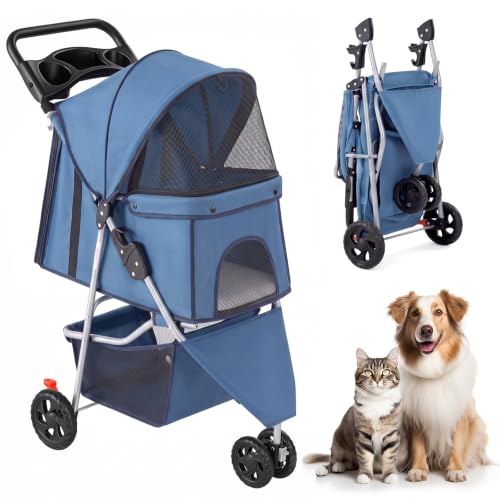
The Ultimate Puppy Stroller Guide
Everything you need to know about choosing the perfect stroller for your puppy. From safety features to top models, we've got you covered.
Whether you have a senior dog with limited mobility, a puppy who gets tired quickly, or a small breed that struggles to keep up on long walks, a puppy stroller can be a game-changer. This guide will walk you through everything you need to know — from understanding the benefits to choosing the right model and using it safely.
Did you know? Using a stroller can extend the life of your dog's walks and help them stay active longer. It is also a fantastic tool for socializing young puppies who are not yet fully vaccinated, as it allows them to safely see the world.
Why Use a Puppy Stroller?
Many dog owners wonder if a stroller is really necessary. The answer depends on your lifestyle and your dog's needs. Here are some of the most common and compelling reasons to consider one:
- Senior Dogs: Older dogs with arthritis or other joint issues can still enjoy the outdoors without the pain of walking. A stroller lets them experience fresh air and new smells.
- Puppies: For puppies under 4 months old, a stroller is a safe way to socialize them to new environments before they are fully vaccinated, reducing the risk of exposure to disease.
- Small Breeds: Breeds like Chihuahuas and Yorkies have tiny legs and tire easily. A stroller ensures they don't get overexerted.
- Post-Surgery Recovery: After a surgery or injury, a stroller allows your dog to be part of family outings while they heal without putting stress on their body.
- Travel and Trips: A stroller is great for trips to the vet, park, or outdoor events. It can also double as a comfortable carrier.
Ultimately, a puppy stroller is a versatile piece of dog gear that can significantly improve your dog's quality of life. It's not just a luxury — it's a practical solution for many common situations.
💡 Expert Tip: Even if your dog is healthy, a stroller can be a lifesaver during long walks or when you want to visit crowded places like festivals or farmers' markets where the ground might be unsafe or overwhelming for a small dog.
Key Features to Look For in a Puppy Stroller
Choosing the right stroller can feel overwhelming with so many options on the market. To make an informed decision, focus on these essential features:
🚦 Safety & Security
Look for a stroller with a reliable braking system, a tether to secure your dog, and sturdy construction that won't tip over. Safety is the top priority.
🛞 Maneuverability
Large, durable wheels are essential for a smooth ride on various terrains (pavement, grass, gravel). Swivel front wheels make steering easier.
⚖️ Weight Capacity
Always check the maximum weight limit. Choose a stroller that comfortably supports your dog's current and future weight to ensure safety and longevity.
🔄 Portability
A lightweight, foldable design is crucial for easy storage and transport, especially if you plan to take it in the car or on public transport.
🧵 Comfort & Material
Look for padded interiors, a cozy bed-like base, and mesh panels for good ventilation. The material should be durable and easy to clean.
🧺 Storage Space
Consider how much storage you need for things like treats, water bottles, poop bags, and your own belongings. A large undercarriage basket is a big plus.
When evaluating options, it is helpful to read dog stroller reviews to see how different models perform in real-life scenarios.
Puppy Stroller Safety Tips
Using a stroller safely is just as important as choosing the right one. Follow these guidelines to ensure every outing is a positive experience.
- Always use the tether: A safety tether inside the stroller prevents your puppy from jumping out unexpectedly, which could lead to injury.
- Never leave your dog unattended: Even in a secure stroller, it is best to keep your dog within your sight. Avoid leaving them in direct sunlight or in a hot car.
- Monitor the temperature: Strollers can get hot quickly. Ensure good ventilation and avoid using them in extreme weather. Offer water breaks.
- Start slowly: Some dogs may be nervous about the stroller at first. Let them sniff it at home, reward them with treats, and gradually introduce moving while they are inside.
- Check for hazards: Look for sharp edges or loose parts on the stroller itself, and be mindful of the terrain you are navigating to avoid a rough ride.
Remember: The stroller is a tool to enhance your dog's life, not a cage. Use it for adventures and outings, and ensure they still get plenty of time to move and explore in safe environments.
Puppy Stroller vs. Dog Carrier: Which is Right for You?
Both strollers and carriers serve to transport your dog, but they are designed for very different purposes. Understanding the distinction will help you make the best choice for your lifestyle.
| Feature | Puppy Stroller | Dog Carrier (e.g., Dog Carrier) |
|---|---|---|
| Best For | Long walks, outdoor adventures, travel, and providing a comfortable ride for tired dogs. | Short trips, vet visits, events, and situations where you need to keep your dog close and hands-free. |
| Comfort | Usually more spacious with a flat, padded base for lying down. Often includes a canopy for shade and protection. | Can be cozy and secure, but more restrictive. Can be carried on your body, providing a sense of security for the dog. |
| Weight Capacity | Typically higher, supporting dogs up to 40-50 lbs or more. | Usually lower, designed for small to medium dogs under 20-30 lbs. |
| Portability | Bulky, but foldable models exist for car transport. Requires pushing or pulling. | Highly portable and lightweight. Can be worn as a backpack, sling, or held as a tote. |
Ultimately, many owners find value in having both. The stroller is excellent for longer treks, while a carrier is perfect for quick errands or when you need to navigate crowded spaces.
How to Get Your Puppy to Love the Stroller
Not every dog will immediately hop into a stroller with joy. Here is a step-by-step approach to ensure a positive and stress-free introduction.
- Step 1: Familiarize at Home: Place the stroller in a common area. Let your puppy sniff it and investigate it on their own terms. Reward calm behavior with treats.
- Step 2: Short Sessions Inside: Gently place your puppy inside the stroller while it is stationary. Offer high-value treats and praise to create a positive association. Keep these initial sessions very brief.
- Step 3: The First Push (Inside): Once your puppy seems comfortable sitting inside, take short, slow walks around the house. Keep the pace gentle and offer treats to reinforce the experience.
- Step 4: Take It Outside (Slowly): Start with a trip to a quiet, familiar space like your backyard. The new environment may be a bit overwhelming, so keep the walk short and full of encouragement.
- Step 5: Gradual Expansion: Increase the length of your walks as your puppy becomes more confident. Pay attention to their body language — if they seem nervous, take a step back.
This process is very similar to how to train a puppy to walk on a leash — it is all about building trust and positive associations over time. Patience is your best tool.
Common Puppy Stroller Mistakes to Avoid
Even well-intentioned owners can make mistakes. By being aware of these common pitfalls, you can ensure your stroller experience is safe and enjoyable.
- Choosing a Stroller Too Small: Your dog must be able to sit, stand, and lie down comfortably. An undersized stroller is restrictive and can cause injury.
- Overlooking Ventilation: In hot weather, a stroller without adequate airflow can become a heat trap. Ensure mesh panels are plentiful and breathable.
- Forgetting to Secure the Brakes: Always use the brakes when the stroller is stationary, especially on a slope. It could easily roll away and cause an accident.
- Using it as a Substitute for Exercise: A stroller is a supplement, not a replacement for exercise. Dogs still need regular walks and playtime for their physical and mental health.
- Ignoring Your Dog's Cues: If your dog is whining, panting excessively, or trying to escape, it might be anxious or uncomfortable. Take a break and assess the situation.
How to Care for Your Puppy Stroller
Proper maintenance will extend the life of your stroller and keep it looking and functioning like new. Here is a simple routine to follow:
- Clean the fabric regularly: Most strollers have removable and washable fabric liners. Follow the manufacturer's instructions. For quick cleanups, use a damp cloth with mild soap.
- Keep the wheels clean: Check the wheels for debris like mud, hair, or small rocks that can impede movement. Clean them with a damp cloth and ensure they spin freely.
- Inspect the brakes and frame: Periodically check the brakes to ensure they are functioning correctly. Make sure the frame is not bent or damaged.
- Store it properly: When not in use, fold and store the stroller in a dry, cool place. This prevents the fabric from degrading and keeps the wheels in good condition.
- Check for wear and tear: Look for signs of wear on the tether, zippers, and stitching, and replace or repair them as needed to ensure safety.
Ready to Find the Perfect Stroller?
Now that you are equipped with the right knowledge, it is time to make a choice that will benefit both you and your puppy. Look for a model that fits your budget, your dog's size, and your lifestyle. A well-chosen puppy stroller is an investment in many years of safe, fun adventures.
Below, you will find our curated selection of the best puppy strollers available. These options have been vetted for quality, safety, and user satisfaction. Happy strolling!