The Complete Guide to Dog Treats: Healthy Choices & Smart Training
From training rewards to dental chews — learn how to choose safe, nutritious treats that your dog will love, without compromising health.
Why Dog Treats Are More Than Just Snacks
Dog treats serve multiple purposes: they reinforce good behavior, support dental hygiene, provide mental stimulation, and strengthen the bond between you and your dog. However, not all treats are created equal. Many commercial options are loaded with empty calories, artificial additives, and harmful preservatives. When used correctly, high-value treats become powerful tools in positive reinforcement training, helping you shape desired behaviors quickly. For puppies, treats are essential to socialization and early learning. But overfeeding or choosing the wrong kind can lead to obesity, digestive upset, or even toxicity.
Popular Types of Dog Treats: Pros & Cons
🍖 Training Treats
Soft, tiny, and low-calorie (2-5 calories each). Ideal for repetitive rewards during dog training sessions. Look for single-ingredient freeze-dried meat or soft baked bites.
Price range: $8–$20 per bag
🦷 Dental Chews
Designed to reduce plaque and tartar. Choose products with VOHC seal. Great for oral health but higher in calories (50–100 calories each). Use alongside brushing for best results.
Price range: $15–$40 per pack
🐄 Long-Lasting Chews (Bully sticks, tendons)
Provide mental enrichment and satisfy chewing instinct. Watch for calorie density. Supervise to avoid choking. High-protein, natural option for destructive chewers.
Price range: $12–$35 per pack
🍪 Biscuits & Crunchy Treats
Convenient, shelf-stable, often fortified with vitamins. Check for grain-free or whole-grain options. Avoid artificial colors and corn syrup.
Price range: $5–$18 per box
Reading Labels: What’s Healthy & What’s Harmful
✅ Look for these
- Real named protein (chicken, beef, salmon)
- Single-ingredient treats (dehydrated meat, sweet potato)
- Whole grains or legumes (lentils, chickpeas)
- Natural preservatives (vitamin E, rosemary extract)
- Added glucosamine or probiotics (for joint/digestive support)
❌ Avoid at all costs
- Artificial colors (Red 40, Blue 2), BHA, BHT, ethoxyquin
- Xylitol, chocolate, grapes, raisins, macadamia nuts
- Corn syrup, propylene glycol, excessive salt
- Unspecified “meat meal” or by-products
Age, Size & Special Needs Considerations
Treats that work for a large breed adult dog may choke a small breed or cause digestive issues. For puppies, select soft, easily digestible treats with DHA for brain development. Senior dogs benefit from joint-supporting ingredients (glucosamine, chondroitin) and softer textures. If your dog has allergies, opt for limited-ingredient or novel protein treats (venison, duck). Overweight dogs need low-calorie training treats; consult the dog weight management guide for portion control.
| Dog Type | Best Treat Characteristics | Examples |
|---|---|---|
| Puppies (< 1 year) | Small, soft, high-value, low-calorie | Freeze-dried liver bits, soft training bites |
| Small breeds (< 20 lbs) | Bite-sized, not too hard, calorie controlled | Mini biscuits, rice-based treats |
| Large breeds (50+ lbs) | Larger chews, dental bones, crunchy biscuits | Bully sticks, large dental chews |
| Senior dogs | Soft, joint supplements, easy to chew | Soft baked chews with glucosamine |
| Dogs with allergies | Single protein, grain-free, no artificial additives | Dehydrated fish, kangaroo treats |
Training With Treats: Maximize Effectiveness
The value of a treat depends on the difficulty of the task. For basic teach dog sit or teach dog come, use regular low-calorie treats. For high-distraction environments or complex behaviors like off-leash training, upgrade to “jackpot” rewards: small pieces of boiled chicken, cheese, or freeze-dried salmon. Always mark the correct behavior with a clicker or verbal marker (“Yes!”), then reward. Avoid using the same treat for every occasion — novelty increases motivation. Keep training sessions short (5–10 minutes) and always end positively.
Simple Homemade Dog Treat Recipes
Making treats at home gives you full control over ingredients. Always avoid onions, garlic, xylitol, chocolate, raisins, and excess salt. Here are two easy recipes:
- Frozen Peanut Butter Bites: Mix unsweetened plain yogurt + peanut butter (no xylitol) + mashed banana. Freeze in silicone molds. Serve as a cooling summer snack.
- Baked Sweet Potato Chews: Slice sweet potato into ¼-inch rounds, bake at 250°F for 2-3 hours until chewy. Store in fridge.
Homemade treats do not contain preservatives; refrigerate and use within 5–7 days. More ideas in our raw diet for dogs guide but always consult your vet before major diet changes.
Safety First: Storage & Common Risks
Store treats in a cool, dry place. Resealable bags or airtight containers prevent staleness and mold. Never give treats larger than your dog’s mouth to avoid choking. Always supervise when offering long-lasting chews, and discard any piece small enough to swallow whole. Check expiration dates; rancid treats cause vomiting and diarrhea. If your dog has a history of digestive issues, introduce new treats gradually, one at a time.
8 Common Dog Treat Mistakes (And How to Fix Them)
- Over-treating: Leads to obesity. Measure daily treat calories and adjust main meal accordingly.
- Inconsistent training rewards: If you stop rewarding a known behavior, the dog may stop performing. Randomize rewards for maintenance.
- Ignoring ingredient lists: “Meat by-product” and artificial colors are red flags. Choose whole-food ingredients.
- Using large treats for training: Breaks training flow. Use pea-sized pieces for repetitive drills.
- Giving rawhide to aggressive chewers: Risk of blockage. Prefer digestible chews like collagen sticks.
- Not adjusting for life stage: Puppy treats differ from senior formulas. Follow our dog care guidelines.
- Human food as treats without research: Many foods are toxic. Always double-check dog toxic foods list.
- Buying in bulk without proper storage: Rancidity develops. Use vacuum-sealed containers for long-term storage.
Frequently Asked Questions About Dog Treats
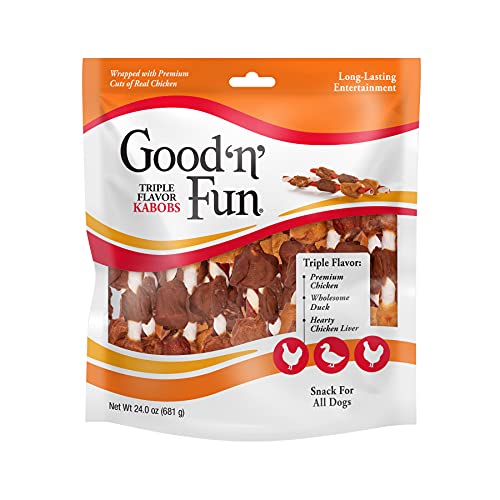
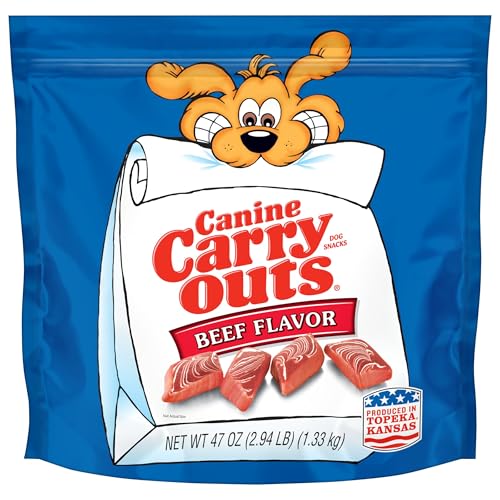
Ready to choose the best treats for your furry friend? Below you'll find our hand-picked selection of vet-recommended dog treats from trusted brands. These products meet strict quality standards — no fillers, no artificial junk. Click through to see current prices and read verified reviews.