Dog Trick Training: Unlock Your Dog’s Brilliance
Turn training into play. Teach incredible tricks that impress, stimulate, and strengthen your bond — step by step.
Why Trick Training Transforms Your Dog
Trick training isn’t just about showing off — it’s a powerful tool for mental enrichment, behavior improvement, and deepening trust. According to veterinary behaviorists, dogs who regularly learn new tricks display fewer anxiety-related behaviors and recover faster from stress. Tricks also build confidence in shy or fearful dogs and provide an appropriate outlet for high-energy breeds.
If you’ve already mastered basic obedience like sit and stay, trick training is the next exciting step. It uses the same positive reinforcement principles but adds creativity and fun. Plus, a dog who knows 10+ tricks is easier to manage in daily life because they’re constantly engaged and listening to you.
What You Need: Trick Training Toolkit
You don’t need expensive gear — just consistency and the right attitude. Start with these essentials:
- High-value treats: pea-sized, soft, and irresistible (boiled chicken, cheese, or freeze-dried liver).
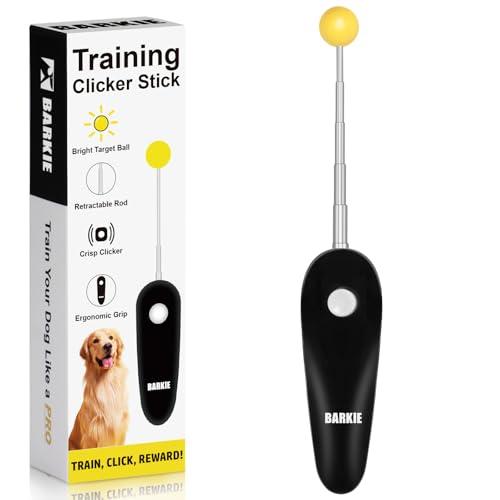
- Clicker (optional but powerful): A clicker marks the exact moment of success, accelerating learning.
- Quiet training zone: minimal distractions at first, then gradually add difficulty.
- Target stick or mat: useful for shaping tricks like “go to place” or weaving.
- Your patience & enthusiasm: dogs read your energy — make it a game.
For more training gear insights, explore our recommended dog training equipment and best training treats guide.
Remember: clicker training can speed up trick acquisition by 40% compared to voice markers alone. But verbal markers like “Yes!” work great too.
Basic Tricks (Every Dog Should Master)
These tricks lay the foundation for more complex behaviors. Each builds focus and coordination.
🐾 Shake / Give Paw
Step 1: With your dog in a sit, hold a treat in a closed fist near their paw. Wait for them to paw at your hand. Click/mark and reward. Step 2: Add verbal cue “shake” as they paw. Within days, your dog will offer paw on command.
🔄 Spin (Left & Right)
Lure your dog in a circle with a treat near their nose. Say “spin” as they complete 360°. Reward. After 5–10 reps, fade the lure. Then teach “twist” (opposite direction) for mental challenge.
🙌 High Five
Build from “shake.” Hold your palm open vertically instead of horizontal. Target your palm. When dog touches it, mark and reward. Soon they’ll slap your hand with enthusiasm.
📦 Roll Over
Start with “down.” Lure nose to shoulder so they roll onto side, then all the way over. Use a treat to guide the full rotation. Break into tiny steps: side → partial roll → full roll. Patience wins!
Stepping Up: Intermediate Tricks That Impress
- Play Dead (Bang!): From “down,” lure your dog onto their side by moving a treat from nose toward shoulder blade. Mark and reward the side-lying position. Gradually add the verbal cue “bang” and a finger gun. Over time, they’ll flop over dramatically.
- Take a Bow: Lure nose down between paws while keeping rear end up. As soon as elbows bend (play bow position), click and treat. Useful as a greeting trick and a great stretch for dogs.
- Crawl: From “down,” hold a treat slightly in front of nose and drag it slowly forward along the ground. Most dogs will slither forward. Mark tiny movements first, then longer crawls.
- Fetch & Drop in Basket: Combine “fetch” with targeting a box or basket. After your dog picks up the toy, cue “drop it” only when near basket. Shape gradually. Fetch toys help make this fun.
Advanced Tricks: Showstopper Behaviors
Once your dog loves learning, challenge them with these advanced tricks. They require patience but deepen communication immensely.
- Weave Between Legs: Stand with legs apart. Lure your dog through the “gate” from front to back. Use a target stick to guide. After mastering one pass, add the next leg and cue “weave.”
- Close a Door: Stick a Post-it note on an ajar door. Cue dog to touch the note with nose or paw. Reward. Gradually move note lower until they push door closed. Very practical!
- Put Toys Away: Shape “take toy” → “put in basket” using a small laundry bin. Reward each time toy lands inside. This trick builds incredible impulse control.
- Speak & Whisper: Teach “speak” by capturing a bark. Then for “whisper,” reward softer huffs and whines. Double trick – huge crowd pleaser.
The Science of Success: Positive Reinforcement & Clicker Training
All modern trick training relies on reward-based learning. Punishment or corrections erode trust and suppress creativity. Here’s how to accelerate progress:
- Capture: Wait for your dog to naturally offer a behavior (e.g., yawning, head tilt). Click and reward. Soon they’ll repeat it intentionally.
- Luring: Use a treat as a magnet to guide your dog into position (common for spin, roll over). Fade lure after 10 successful reps.
- Shaping: Reward successive approximations toward the final trick. For “play dead,” first reward a head turn, then a flop to side, then full stillness. Shaping builds problem-solving skills.
- Chaining: Link multiple behaviors together (e.g., “fetch” + “weave” + “drop in basket”). Master each link separately, then chain them with a single cue.
If you are new to these techniques, read our detailed guide on positive reinforcement methods and avoid the common training mistakes that slow down progress.
Troubleshooting: Why Isn't My Dog Learning?
Scenario 1: Dog Loses Interest. Solution: Shorten sessions to 3 minutes, increase treat value, or switch to play rewards (tug-of-war after a good attempt).
Scenario 2: Dog Gets Stuck at One Step. Break the trick into even smaller pieces. For “crawl,” reward just a nose dip forward first.
Scenario 3: Frustration or Barking. Take a break, ask for an easy trick, then end the session. You might be moving too fast – slow down and raise reward rate.
Scenario 4: Only Works With Treats Visible. Randomize reinforcement. Fade the lure early; use variable rewards (sometimes treat, sometimes praise). Practice in new environments.
Consistency across family members is crucial. For stubborn cases, visit our when to hire a trainer resource.
Frequently Asked Questions About Dog Trick Training
🎉 Ready to start? Pick one trick from the Basic section and practice 5 minutes today. The bond you build through trick training will transform your everyday interactions. Remember: every dog is a genius in their own way — celebrate small wins.