
Bulldog Breeds: English, French, American & Olde English
Comprehensive guide to choosing, caring for, and loving bulldogs. Discover temperament, health needs, costs, and expert care advice.
In This Bulldog Guide
Bulldog Breed Overview: More Than a Wrinkly Face
Bulldogs are among the most recognizable and beloved dog breeds worldwide. Known for their loose, wrinkled skin, distinctive pushed-in nose, and charming “sourmug” expression, bulldogs have evolved from fierce bull-baiting ancestors into gentle, loyal companions. Today, bulldog breeds include the classic English Bulldog, the smaller and lively French Bulldog, the athletic American Bulldog, and the healthier Olde English Bulldogge. Each shares the hallmark courage and affectionate nature but differs in size, energy, and care requirements.
If you’re considering adding a bulldog to your family, this guide provides everything you need — from choosing between dog breeds like the English or French Bulldog to understanding long-term health and financial commitments. Because bulldogs are brachycephalic (flat-faced), they require special attention to temperature, exercise, and grooming. Read on to discover which bulldog type aligns with your lifestyle.
Types of Bulldogs: Side-by-Side Comparison
💡 Quick Tip: Prices below reflect average from reputable breeders (2026). Avoid extremely cheap puppies — they often come from puppy mills with undisclosed health issues.
| Breed | Weight | Coat & Shedding | Temperament | Avg. Price (Puppy) |
|---|---|---|---|---|
| English Bulldog | 40–55 lbs | Smooth, short; moderate shedding | Docile, courageous, friendly, stubborn | $2,500 – $4,500 |
| French Bulldog | 16–28 lbs | Smooth, short; moderate shedding | Playful, adaptable, alert, loving | $3,000 – $6,000 |
| American Bulldog | 60–120 lbs | Short, dense; moderate shedding | Confident, active, protective, loyal | $1,000 – $2,500 |
| Olde English Bulldogge | 50–80 lbs | Short, tight; less shedding | Brave, stable, energetic, family-oriented | $2,000 – $3,500 |
French Bulldogs have skyrocketed in popularity, but beware of puppy mill vs reputable breeder differences. English Bulldogs are the quintessential family bulldog, while American Bulldogs need more space and activity. Olde English Bulldogges were bred to reduce respiratory and joint issues.
Temperament & Personality: What to Expect
Despite their intimidating origins, modern bulldogs are affectionate, loyal, and excellent with children. English Bulldogs are famously known for their calm, steady disposition — they thrive on human companionship and are not excessive barkers. French Bulldogs are more clownish and sociable, often getting along with other pets. American Bulldogs possess a protective streak and make excellent watchdogs while remaining gentle with their family. Olde English Bulldogges strike a balance between athleticism and the classic bulldog patience.
✔ Ideal For:
- Apartment living (French & English Bulldogs)
- Families with children (all types, supervise interactions)
- First-time owners who are prepared for health vigilance
- Owners wanting a medium-to-low energy companion
⚠ Considerations:
- Brachycephalic breathing – avoid overexertion, hot weather
- Stubborn streak – consistent positive reinforcement dogs training is key
- High grooming maintenance for skin folds (clean daily)
- Potential expensive vet bills – consider pet insurance
Bulldog Health: Common Issues & Lifespan
Bulldogs are unfortunately prone to several hereditary conditions due to their extreme conformation. The most critical are brachycephalic obstructive airway syndrome (BOAS), hip dysplasia, cherry eye, skin fold dermatitis, and in French Bulldogs, intervertebral disc disease (IVDD). Responsible breeders perform health testing for dog breeders such as hip scoring, patella evaluation, and BOAS grading. Average lifespan: English Bulldog 8–10 years, French Bulldog 10–12 years, American Bulldog 10–13 years, Olde English Bulldogge 9–12 years.
🐾 Proactive health steps: Keep your bulldog lean (weight management reduces joint stress), clean facial wrinkles daily to prevent infection, avoid exercising in temperatures above 75°F, and schedule annual dog vaccinations and wellness exams. Consider dog joint health supplements like glucosamine after age 5.
Daily Care: Feeding, Exercise & Grooming Essentials
Nutrition: Bulldogs gain weight easily, so portion control is vital. Feed high-quality complete dog food guide formulated for medium breeds, and avoid free-feeding. Adult Bulldogs typically need 1.5–2.5 cups of dry kibble split into two meals. Choose recipes with joint support and limited fillers. Frenchies may need grain-free only if allergies present (consult vet).
Exercise: Low to moderate: two 15–20 minute walks plus indoor play. Never force exercise in high humidity or heat. Provide mental stimulation via puzzle toys for dogs to prevent boredom.
Grooming: Brush weekly with a soft bristle brush. Clean facial folds daily using a damp cloth or dog-safe wipe, dry thoroughly. Bathe every 4–6 weeks. Nail trimming every 3–4 weeks and regular dog dental care (brush teeth or dental chews).
Training & Socialization: Overcoming the Stubborn Streak
Bulldogs are intelligent but independent thinkers. Positive reinforcement with high-value treats (small pieces of boiled chicken, cheese) works best. Keep training sessions short (5–10 minutes). Start early with puppy socialization period — expose your bulldog to different people, sounds, and environments. Crate training helps with housebreaking because bulldogs can be slow to potty train. Use a gentle, patient approach. Avoid harsh corrections; they damage trust and may trigger defensiveness.
For common issues like pulling on leash, use a harness rather than a collar to protect the trachea. Teach basic commands: sit, stay, leave it, and recall (important since bulldogs can be stubborn off-leash). Dog training mistakes to avoid: inconsistency, repeating commands, and long sessions.
Choosing a Bulldog Breeder: Red Flags & Ethical Standards
Finding a responsible breeder is the single most important step to ensure a healthy, well-tempered bulldog. Reputable breeders prioritize health over appearance, perform genetic testing, and allow you to meet the puppy’s parents. They will ask you questions about your lifestyle and provide a written contract with health guarantees. Avoid sellers offering “rare colors” (like merle French Bulldogs) which often come from unscrupulous breeding and carry severe health defects. Check how to find reputable dog breeder for a complete checklist. Also, never buy from pet stores or online classifieds without breeder verification.
Budget for initial costs: besides the puppy price ($1k–$6k), anticipate first-year vet visits, supplies, crate, and insurance. Adoption is also possible: bulldog-specific rescues exist for English and French Bulldogs. Always ask for medical history.
Best Bulldog Care Products We Recommend
⚠️ AFFILIATE DISCLOSURE: This website contains affiliate links. As an Amazon Associate, we earn from qualifying purchases. If you make a purchase through these links, we may receive a small commission at no additional cost to you. Read our full affiliate policy.

Healthy Breeds French Bulldog All in One Multivitamin Soft Chew 120 Count
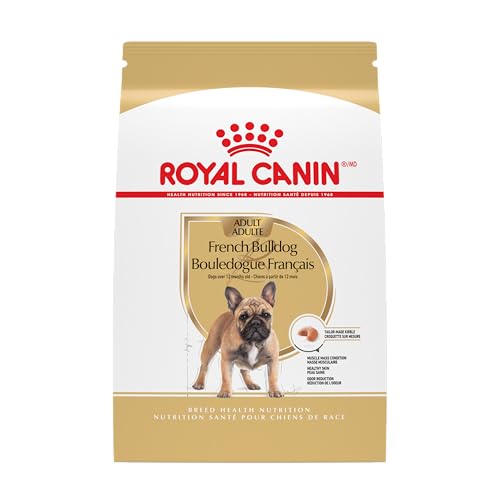
ROYAL CANIN Breed Health Nutrition French Bulldog Adult Dry Dog Food, 6 lb Bag

ROYAL CANIN Breed Health Nutrition Bulldog Adult Dry Dog Food, 30 lb Bag

Healthy Breeds Bulldog All in One Multivitamin Soft Chew 90 Count
ROYAL CANIN Breed Health Nutrition French Bulldog Adult Dry Dog Food, 17 lb Bag

Prestige Breed Multivitamins, Balanced Nutrition for Your French Bulldog, 90 Count, Made in the USA with Real Bacon

Healthy Breeds Bulldog Oatmeal Shampoo with Aloe 16 oz

Healthy Breeds Bulldog Smelly Dog Baking Soda Shampoo 8 oz
Frequently Asked Questions about Bulldog Breeds
Yes, English, French, and Olde English Bulldogs are generally excellent with children. They are patient and affectionate. However, due to their stout build, ensure kids don’t roughhouse excessively. With proper socialization, they usually coexist well with other dogs and cats, though some same-sex aggression may appear in unneutered males.
Monthly costs: high-quality food ($60–120), routine vet savings ($30–50), grooming supplies and treats ($20–40), insurance ($40–70). Potential unexpected vet bills for breathing or skin issues can average $500–1500/year. Budget accordingly.
Bulldogs have short, fine coats that shed moderately year-round. Weekly brushing with a rubber curry mitt reduces loose hair. They are not hypoallergenic, but some individuals with mild allergies tolerate them better than heavy-shedding breeds.
No — bulldogs are top-heavy and brachycephalic, making swimming dangerous. They can easily sink and panic. Always supervise around pools and use a life vest if near water. Never assume they can swim.
The Olde English Bulldogge was developed in the 1970s to recreate a healthier, more athletic bulldog with fewer respiratory issues. They have longer legs, less extreme wrinkles, and generally better health than the English Bulldog. They are more active and need more exercise.
Your Bulldog Journey Starts Here
Whether you’re captivated by the dignified English Bulldog, the playful French Bulldog, or the athletic American Bulldog, thorough preparation ensures a happy, healthy companion. Remember to prioritize ethical breeding, invest in preventive healthcare, and enjoy the loyal, loving nature that makes bulldogs so special. For more guidance, explore puppy guide and dog care resources.