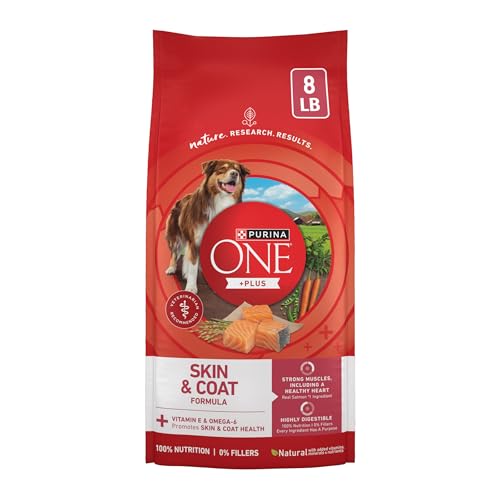
Best Dog Food for Allergies & Skin Problems
Find the right diet to soothe your dog's itchy skin, stop scratching, and promote a healthy, shiny coat.
If your dog is constantly scratching, has red or irritated skin, or suffers from recurrent ear infections, a food allergy or sensitivity could be the culprit. Finding the best dog food for dogs with allergies and skin problems is one of the most important steps you can take to improve their comfort and well-being.
This comprehensive guide will help you understand the signs of food allergies, how to diagnose them, and what to look for in a hypoallergenic diet. We'll also review our top product recommendations to help you make an informed decision.
Signs of Food Allergies & Skin Problems
Food allergies in dogs can manifest in a variety of ways. Common symptoms include:
- Itchy skin: Constant scratching, licking, or chewing, especially around the paws, face, ears, and belly.
- Recurrent ear infections: Yeast or bacterial infections that don't seem to clear up.
- Hot spots: Red, moist, and irritated areas of skin caused by excessive licking or chewing.
- Digestive issues: Vomiting, diarrhea, or excessive gas.
- Dry, flaky skin: Dandruff or a dull, brittle coat.
- Hair loss: Patchy hair loss due to constant scratching or chewing.
If you notice any of these signs, it's important to consult your veterinarian. They can rule out other causes like fleas, mites, or environmental allergies. Once those are ruled out, a food trial is often the next step.
How to Diagnose Food Allergies
The gold standard for diagnosing a food allergy in dogs is an elimination diet or food trial. This involves feeding your dog a diet with a single novel protein and carbohydrate source that they have never eaten before, or a hydrolyzed protein diet where the proteins are broken down into small, non-allergenic pieces.
Important: A food trial must be followed strictly for 6-8 weeks to see results. This means no other food, treats, flavored medications, or table scraps. Even a single treat can trigger a reaction and reset the trial.
After the elimination period, you'll gradually reintroduce the old protein sources one at a time to see which ones trigger a reaction. This helps you identify the specific ingredient causing the problem. For many dogs, a limited ingredient diet becomes a permanent solution.
Key Ingredients to Look For
When searching for the best dog food for allergies and skin problems, focus on diets that feature these components:
- Novel Protein Source: Proteins like salmon, duck, venison, or rabbit are less likely to trigger allergies compared to common ones like chicken or beef.
- Limited Ingredient List (LID): A shorter ingredient list makes it easier to identify potential triggers.
- Easily Digestible Carbohydrates: Sweet potatoes, pumpkin, and brown rice are gentle on the digestive system.
- Omega Fatty Acids: Omega-3 and Omega-6 fatty acids help reduce inflammation and promote healthy skin and coat.
- Antioxidants: Vitamins E and C support the immune system.
- Prebiotics & Probiotics: Support gut health, which can be compromised in dogs with allergies.
Ingredients to Avoid
Common allergens and irritating ingredients to avoid include:
- Common Proteins: Chicken, beef, and pork are the most frequent food allergens in dogs.
- Grains: Corn, wheat, and soy are common fillers and allergens.
- Artificial Additives: Colors, flavors, and preservatives can trigger reactions.
- By-products: "Meat meal" or "poultry by-product" can contain a mix of ingredients, making it hard to identify the source.
Top 5 Best Dog Foods for Allergies & Skin Problems
Here are our top recommendations based on ingredient quality, customer feedback, and nutritional value:
| Product | Key Protein | Key Carbs | Special Feature | Approx. Price |
|---|---|---|---|---|
| Hill's Prescription Diet d/d | Potato & Venison | Potato | Prescription diet, single protein | $50 |
| Royal Canin Hydrolyzed Protein | Hydrolyzed Soy | Rice | Hydrolyzed for severe allergies | $60 |
| Purina Pro Plan Sensitive Skin & Stomach | Salmon | Rice, Oat Meal | Probiotics for digestive health | $45 |
| Natural Balance Limited Ingredient Diet | Duck & Potato | Potato | Single protein, single carb | $40 |
| Wellness Simple Limited Ingredient | Turkey & Potato | Potato | Easily digestible | $42 |
Note: Prices are approximate. Always consult your vet before starting a new diet, especially a prescription diet.
Feeding Tips for Allergic Dogs
Once you've found the right food, follow these tips to maximize its effectiveness:
- Transition Slowly: Over 7-10 days, gradually mix the new food with the old to avoid digestive upset.
- Be Strict: Avoid all other food sources, including treats, table scraps, and flavored medications. Use the new food as treats.
- Monitor Progress: It can take 6-8 weeks to see the full benefits. Track your dog's symptoms to see if they improve.
- Consider Supplements: Omega-3 supplements can boost skin health. Always consult your vet before adding supplements.
- Read Labels Carefully: Always check for hidden allergens in treats, supplements, and even medications.
Patience is Key: Finding the right food can be a journey. Be patient and work with your vet to find the best solution for your dog's needs.
Frequently Asked Questions
Finding the Right Solution for Your Dog
Dealing with a dog's allergies can be challenging, but with the right diet, you can significantly improve their quality of life. By understanding what to look for and working with your vet, you can find the best treatment plan for your dog. Remember, a healthy diet is the foundation of good health, and for allergic dogs, it's the most important step you can take.