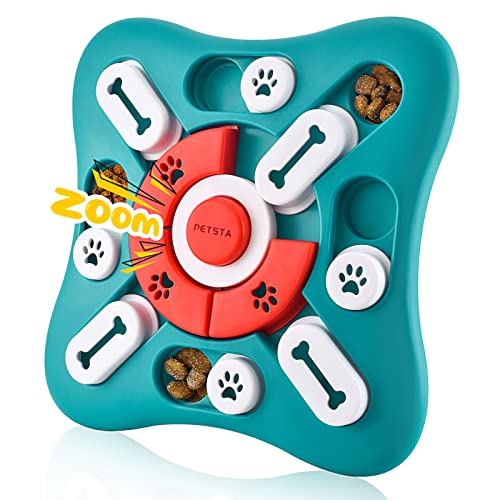
Puzzle Toys for Dogs: The Ultimate Guide to Mental Stimulation
Stop boredom, reduce anxiety, and unlock your dog’s hidden potential with engaging puzzle toys. Whether you have a clever Border Collie or a curious Chihuahua, the right puzzle toy transforms mealtime into brain‑boosting fun.
Why Every Dog Needs Puzzle Toys
Physical exercise alone isn’t enough to keep your dog happy and well‑adjusted. Puzzle toys provide cognitive enrichment that reduces problem behaviors, fights boredom, and builds confidence. According to veterinary behaviorists, mental stimulation can be just as tiring as a long walk — and far more effective at calming an anxious or hyperactive dog.
Key Benefits of Puzzle Toys
- Reduces destructive behavior: Chewing furniture, digging, and excessive barking often stem from under‑stimulation. Puzzle toys redirect that energy into a positive outlet.
- Slows down fast eaters: Treat‑dispensing puzzles force dogs to work for their kibble, preventing bloat and improving digestion.
- Builds problem‑solving skills: Dogs learn to manipulate levers, sliders, and compartments — boosting their cognitive resilience.
- Helps with separation anxiety: A challenging puzzle left with your dog can ease stress when you’re away. Pair with our calming products guide for extra support.
- Strengthens the human‑dog bond: Working together on a puzzle builds trust and teamwork, which is at the core of positive reinforcement training.
Did you know? Just 15 minutes of puzzle play burns as much mental energy as a 30‑minute walk. For high‑energy breeds like smartest dog breeds, puzzle toys are a lifesaver — they keep intelligent dogs from inventing their own (often destructive) games.
Types of Puzzle Toys for Dogs
Not all puzzle toys are created equal. From simple treat balls to multi‑step strategy games, here’s what you’ll find on the market. Prices reflect current market averages (affiliate links included below).
🐕 Treat‑Dispensing Balls
Beginner
Rolling toys that release kibble as the dog pushes them. Ideal for beginners and fast eaters.
$12 – $25
🧩 Sliding & Flip Puzzles
Intermediate
Plastic boards with compartments covered by sliding doors, cones, or flippers. Dog must unlock each section.
$20 – $45
🔲 Snuffle Mats
Beginner
Fabric mats with fleece strips where you hide treats. Encourages natural foraging instincts — great for anxious dogs.
$15 – $35
⚙️ Multi‑Step Strategy Games
Advanced
Require lifting, spinning, and pulling in sequence. Designed for genius‑level dogs (Border Collies, Poodles, etc.).
$30 – $65
🥤 Interactive Treat Dispensers
Intermediate
Stationary puzzles where the dog rotates or presses parts to release food. Great for apartment dwellers.
$18 – $40
🧠 Electronic Puzzle Toys
Advanced
Battery‑operated toys that move or make sounds as the dog solves each stage. Best for experienced puzzlers.
$40 – $90
Quick Comparison: Puzzle Toy Difficulty by Breed Type
| Breed Category | Recommended Difficulty | Best Puzzle Style | Avg. Session Length |
|---|---|---|---|
| Toy Breeds (Chihuahua, Yorkie) | Beginner → Intermediate | Snuffle mats, soft treat balls | 10–15 min |
| Small Breeds (Shih Tzu, Corgi) | Beginner/Intermediate | Sliding puzzles, small dispenser toys | 10–20 min |
| Medium Breeds (Beagle, Australian Shepherd) | Intermediate → Advanced | Multi‑step, rotating puzzles | 15–25 min |
| Large Breeds (Labrador, Boxer) | Intermediate | Durable treat balls, heavy‑duty sliders | 15–30 min |
| High‑Intelligence Breeds (Border Collie, Poodle) | Advanced / Expert | Multi‑strategy, electronic puzzles | 20–45 min |
How to Choose the Right Puzzle Toy
With dozens of options, picking the best puzzle for your dog can feel overwhelming. Use these five criteria to narrow your choice:
- Your dog’s experience level: Beginners need easy wins. A snuffle mat or a classic Kong Wobbler builds confidence before moving to harder puzzles.
- Size & safety: Always pick a toy sized appropriately for your dog’s mouth. Small pieces become choking hazards for large breeds, while tiny dogs may struggle with oversized puzzles.
- Material durability: Aggressive chewers require heavy‑duty rubber or nylon puzzles. Check our recommendations below for power chewers.
- Cleaning ease: Look for dishwasher‑safe or easy‑wipe surfaces, especially if you use sticky treats like peanut butter.
- Engagement style: Does your dog prefer sniffing (snuffle mats), pawing (treat balls), or intricate manipulation (sliding puzzles)? Match the toy to their natural play style.
Pro tip from trainers: Rotate between 3 different puzzle toys weekly. Dogs get bored with repetition — a “puzzle library” keeps the challenge fresh. Combine puzzle play with basic obedience training to maximize mental benefits.
Introducing Puzzle Toys to Your Dog
Even the best puzzle is useless if your dog ignores it or becomes frustrated. Follow this step‑by‑step approach:
- Step 1 — Demonstrate: Show your dog how the toy works by manipulating it yourself and letting treats fall out. Use high‑value rewards like chicken or cheese.
- Step 2 — Start easy: Place treats in the most obvious compartments first. For sliders, leave them slightly open so the dog succeeds immediately.
- Step 3 — Encourage curiosity: Use a cheerful voice and point at the toy. If your dog sniffs or touches it, click (if using clicker training) and reward.
- Step 4 — Increase difficulty gradually: Once your dog masters level one, close compartments fully or add extra steps. Never rush — frustration can make dogs avoid puzzles altogether.
- Step 5 — Always end on a positive note: If your dog solves the puzzle, celebrate with a small jackpot reward. If they struggle, guide them to the last treat and then put the toy away.
Puzzle toys are an excellent supplement to crate training and can be used to keep a puppy occupied while you cook or work. For older dogs, they help maintain cognitive function — a form of “brain gym” that delays canine dementia.
Safety & Supervision Tips
While puzzle toys are generally safe, follow these rules to prevent accidents:
- Supervise initial sessions: Watch how your dog interacts. Some aggressive chewers may try to swallow broken plastic pieces.
- Inspect regularly: Replace any puzzle with cracks, missing parts, or sharp edges.
- Avoid strings or rope on puzzles for heavy chewers: Ingested fabric can cause intestinal blockages.
- Match food size to the toy’s openings: Soft treats may get stuck; use kibble or small training treats for easy dispensing.
- Clean puzzles weekly: Bacteria buildup from saliva and food residue can cause gastrointestinal upset.
⚠️ Emergency note: If a piece breaks off and you suspect your dog swallowed it, contact your vet immediately. Symptoms like vomiting, lethargy, or loss of appetite require urgent care. Keep the pet first aid kit handy.
DIY Puzzle Toys on a Budget
You don’t need to spend a fortune to challenge your dog. Homemade puzzles are perfect for testing if your dog enjoys enrichment before buying premium products. Try these vet‑approved ideas:
- Muffin tin game: Place treats in a muffin tin and cover each cup with a tennis ball. Your dog must remove the balls to get the reward.
- Towels & treats: Roll a few treats inside an old towel, tie it loosely, and let your dog unroll it. Great for mental stimulation on rainy days.
- Cardboard box puzzle: Seal a small box with treats inside, punch a few holes, and let your dog shred it open (supervised to avoid eating cardboard).
- Water bottle crunch toy: Remove the cap and label, insert kibble into an empty plastic bottle. The crinkling noise and rolling action mimic advanced treat dispensers.
DIY puzzles are fantastic for puppy enrichment and for testing different difficulty levels before committing to store‑bought puzzles. Always supervise homemade toys and discard them once they show wear.
Frequently Asked Questions About Puzzle Toys
Ready to challenge your dog’s brain? The puzzle toys listed below are editor‑tested and highly rated by thousands of dog owners. Each product includes an Amazon affiliate link — when you purchase through our links, you support DoggyTalks at no extra cost. Start with one toy and watch your dog’s confidence grow.
Still exploring? Check our complete interactive dog toys guide and chew toys for aggressive chewers.