Dog Training Equipment: The Complete Guide
Everything you need to know about choosing the right training tools for your dog — from collars and leashes to clickers, treats, and enrichment gear. Make informed decisions for effective, humane training.
The right dog training equipment can make the difference between a frustrating training session and a breakthrough moment. But with so many products on the market — each claiming to be essential — it's easy to waste money on tools you don't need or, worse, choose equipment that could harm your dog or damage your relationship.
This guide cuts through the marketing hype. We'll walk you through every category of training equipment, explain what actually works based on behavioral science, and help you choose the right tools for your dog's specific needs. Whether you're teaching basic obedience or working on advanced behavior modification, you'll find practical, honest recommendations here.
The most important principle to remember: training equipment should support positive reinforcement, not replace it. No tool trains a dog — only consistent, reward-based teaching does. The best equipment simply makes communication clearer and keeps your dog safe while learning.
Collars & Harnesses
The collar or harness is the foundation of your training equipment. It's what connects your dog to you during walks and training sessions. Choosing the wrong type can cause physical discomfort, encourage pulling, or even injury. Choosing the right one makes training easier and safer.
Flat Collar
The most basic and widely used option. A flat nylon or leather collar with a buckle or snap closure. Suitable for dogs who already walk politely on leash. Not ideal for dogs who pull, as it can put pressure on the throat and trachea. Best used as a primary ID collar with tags, combined with a harness for walks.
Entry-level essentialMartingale Collar
Designed for dogs with narrow heads (like Greyhounds) who can slip out of flat collars. The loop tightens slightly when the dog pulls but has a safety stop to prevent choking. Excellent for sight hounds and dogs with thick necks. Not a training tool for pulling — it's a safety collar.
Mid-range specialtyFront-Clip Harness
The gold standard for training dogs who pull. The leash attaches to a ring on the dog's chest. When the dog pulls, they're gently redirected sideways rather than forward. This gives you control without putting pressure on the throat. Highly recommended for dogs in training and dogs with respiratory issues.
Premium training essentialBack-Clip Harness
Leash attaches to a ring on the dog's back. Comfortable for casual walks but actually encourages pulling in dogs who are inclined to pull. Better for dogs who already walk well or for activities like hiking where a little pulling is acceptable. Not recommended as a primary training tool for pullers.
Entry-level comfort optionHead Halter
Controls the dog's head rather than their body. When the dog pulls, their head is gently turned to the side. Extremely effective for strong pullers. Requires proper conditioning so the dog accepts wearing it. Must never be used with a jerk or pop — it's a guide, not a correction tool. Best used under professional guidance initially.
Premium control toolProng & Choke Collars
Aversive tools that work through discomfort or pain. While some trainers still use them, modern behavioral science shows they can cause physical damage and psychological harm, and they often suppress behavior rather than teach what you want. Not recommended for most dogs. If you're considering one, consult a certified professional trainer first.
Not recommendedHow to Choose: For most dogs in training, a front-clip harness combined with a flat collar for ID tags is the ideal setup. It gives you control without pain or discomfort. For dogs who already walk well, a comfortable back-clip harness or flat collar works fine. Always measure your dog properly — a ill-fitting harness can cause chafing and escape attempts.
Leashes & Training Lines
A leash is not just a tether — it's a communication channel. The type of leash you use affects how you and your dog interact during training. Different leashes serve different purposes, and having the right one for each situation makes training smoother.
Standard 4-6 Foot Leash
The workhorse of training. Gives your dog enough freedom to walk naturally while keeping them close enough for control. A 4-foot leash is ideal for obedience training and crowded areas. A 6-foot leash is better for relaxed walks and sniffing. Look for a lightweight, sturdy material with a comfortable handle.
Essential — entry to mid-rangeLong Line (15-50 Feet)
Essential for teaching reliable recall and giving your dog freedom in safe, open areas while maintaining control. A 15-30 foot line works for most recall training. A 50-foot line is for advanced distance work. Use in enclosed areas or safe open spaces. Never attach a long line to a collar — use a harness to prevent neck injury.
Mid-range training essentialRetractable Leash
Convenient for casual walks with dogs who already have good leash manners. However, they are not recommended for training. They teach dogs to pull (pulling extends the leash), offer poor control in emergencies, and can cause serious injuries if the cord wraps around a limb or finger. If you use one, use it only after training is complete.
Not recommended for trainingDouble-Ended Leash
Has clips on both ends. Can be attached to both the front and back rings of a harness for extra control, or used as a hands-free walking solution when worn across your body. Versatile and excellent for dogs who need a little extra guidance during training.
Premium versatility optionHands-Free Leash
Worn around your waist or across your body. Great for joggers, hikers, or anyone who wants their hands free. Provides secure control and is comfortable for both dog and handler once the dog has basic leash manners. Not ideal for dogs who still pull hard.
Mid-range convenienceSlip Lead
A single piece of rope or leather with a ring at one end. The loop goes over the dog's head and tightens when they pull. Simple and effective for some dogs, but must be used with care. Not suitable for dogs who pull hard, as it can tighten excessively. Popular for quick walks and shelter settings.
Entry-level simple optionTraining Tip: Keep a 4-foot leash for focused training sessions and a 6-foot leash for relaxed walks. Having the right leash for the situation prevents frustration. For recall training, a 30-foot long line is invaluable — it gives your dog freedom while keeping them safe as they learn to come when called.
Clickers & Markers
Clickers are simple devices that make a distinct "click" sound. They're used to mark the exact moment your dog performs the desired behavior, telling them "yes, that's exactly what I want — a reward is coming." This precision speeds up learning dramatically.
While a clicker isn't strictly necessary — you can use a marker word like "yes" or "good" — the clicker's consistent, distinct sound cuts through distractions better than your voice. It's especially useful for teaching complex behaviors or working in noisy environments.
Types of Clickers
- Box clicker: The classic design. Durable, easy to press, and produces a loud, clear click. Best for most training situations.
- Button clicker: Smaller and quieter. Good for sensitive dogs or indoor training where a loud click might startle.
- Clicker with wrist strap: Keeps the clicker accessible at all times. Essential for walks and outdoor training.
- Electronic clicker: Makes a consistent sound and can be adjusted. More expensive but useful for dogs who are sound-sensitive.
- Target stick with clicker: Combines a target stick with a built-in clicker. Useful for teaching targeting and complex behaviors.
How to Use a Clicker
- Charge the clicker: Click, then immediately give a treat. Repeat 10-15 times. Your dog learns that click = treat.
- Mark the behavior: Click the instant your dog does what you want. Timing is critical — even a fraction of a second late and you're marking the wrong thing.
- Reward after the click: Always follow the click with a treat, even if you clicked by mistake. The click must always predict a reward.
- Fade the clicker: Once the behavior is learned, you can phase out the clicker and use a verbal marker or just praise and treats.
Why It Works: The clicker bridges the gap between the moment your dog performs the behavior and the moment they receive the reward. This precise marking is especially important for behaviors that happen quickly or at a distance, like coming when called or sitting at a distance. For more advanced training techniques, see our guide on clicker training.
Training Treats & Pouches
Treats are the most important training tool you'll use — more important than any collar or clicker. They are how you communicate "yes, that's right" to your dog. But not all treats are created equal for training purposes.
What Makes a Good Training Treat
- Small: Pea-sized or smaller. You'll be giving many treats in a session — large treats fill your dog up and slow down training.
- Soft and smelly: Easy to chew and swallow quickly. Soft treats are consumed faster, keeping training moving. Strong-smelling treats are more motivating.
- High-value: Use the best treats for distracting environments and new behaviors. Reserve them for training — not for casual snacking.
- Variety: Keep 2-3 different types on hand. Rotate them to prevent boredom. Use higher-value treats for harder tasks.
Treat Value Hierarchy
Different situations call for different treat values:
- Low-value: Kibble, plain biscuits, carrots. Use for easy behaviors at home with no distractions.
- Mid-value: Small pieces of cheese, hot dog, or commercial soft treats. Use for general training in mildly distracting environments.
- High-value: Freeze-dried liver, chicken, beef, or salmon. Use for recall training, working with reactive dogs, or in highly distracting environments.
Treat Pouches & Delivery
How you carry and deliver treats matters more than you might think:
- Treat pouch: Keeps treats accessible and dry. Look for one with a wide opening, a belt clip, and a magnetic or drawstring closure. Essential for hands-free training.
- Quick delivery: The faster you can get the treat to your dog after the click or marker word, the stronger the association. Fumbling in a bag slows training.
- Treat delivery position: Deliver treats where you want your dog to be. If you want your dog to sit at your left side, deliver the treat there. Treat delivery position affects how your dog positions themselves.
- Bait bag alternatives: If you don't want to wear a pouch, a simple fanny pack or jacket pocket with a plastic bag works. Just ensure treats are accessible.
Pro Tip: For dogs who aren't food-motivated, try using a toy as a reward instead. A quick game of tug or fetch can be just as rewarding as a treat for some dogs. The best tug toys are durable and comfortable for your dog to grab.
Training Toys & Enrichment
Toys are not just for play — they're powerful training tools. They can be used as rewards, to teach impulse control, and to provide the mental stimulation that makes training easier. A mentally tired dog is a well-behaved dog.
Puzzle Toys
Require your dog to solve a problem to get a treat. Excellent for mental stimulation and building problem-solving skills. Use during downtime to tire your dog out without physical exercise. Start with easy puzzles and increase difficulty as your dog learns.
Premium enrichment essentialInteractive Toys
Toys that move, squeak, or respond to your dog's actions. Great for teaching impulse control (waiting for the toy to be thrown) and as a reward during training. The best interactive toys keep your dog engaged without requiring your constant involvement.
Mid-range training rewardTreat-Dispensing Toys
Balls or shapes that dispense treats as your dog plays with them. Combines physical exercise with mental stimulation. Great for keeping dogs busy during alone time and for reducing separation anxiety. Fill with kibble or small treats.
Entry to mid-range essentialTug Toys
Excellent as a reward for training and for teaching "drop it" and impulse control. Tug is not about dominance — it's a cooperative game. Rules: dog only gets to tug when you initiate, and they must release on command. The best tug toys are durable and comfortable for both of you.
Entry-level training rewardFetch Toys
Balls, frisbees, and floating toys for fetch. Great for physical exercise and as a high-value reward for recall training. A game of fetch can be more rewarding than a treat for many dogs. The best fetch toys are durable, visible, and easy for your dog to pick up.
Mid-range reward optionChew Toys
Provide an outlet for natural chewing behavior and help relieve stress. Essential for puppies and dogs who are destructive chewers. Durable chew toys can keep dogs occupied for hours. Not a training tool per se, but important for managing behavior between training sessions.
Entry-level enrichmentAdvanced Training Tools
Some training situations call for more specialized equipment. These tools are not for beginners and should be used under the guidance of a qualified professional trainer. When used correctly, they can help with specific challenges. When used incorrectly, they can cause serious harm.
Training Collars (E-Collars)
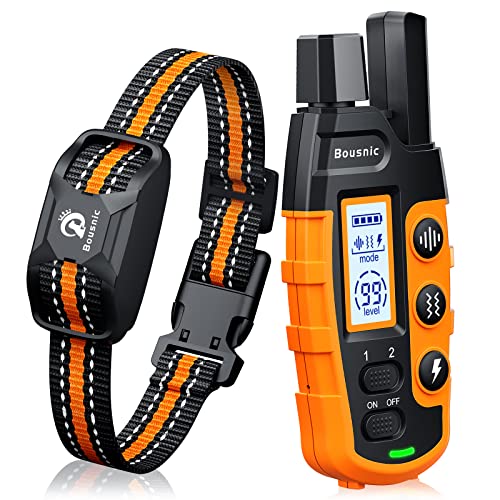
Electronic collars deliver a stimulus (usually a vibration or static pulse) to get the dog's attention or discourage unwanted behavior. They are controversial and should only be used under professional guidance. Modern e-collars used for recall training at a distance use low-level stimulation — not punishment. Never use an e-collar to teach a new behavior — only to reinforce known behaviors in distracting environments.
Slip Leads & Training Leads
Slip leads are simple loops that tighten when the dog pulls. They are useful for quick control but must be used with care. A training lead (long line) is essential for recall training and giving your dog freedom while maintaining safety. See our guide to dog leashes for more options.
Muzzles
A muzzle is not a sign of a bad dog — it's a safety tool. Basket muzzles allow dogs to pant, drink, and take treats while preventing bites. Use a muzzle for dogs who are fearful, reactive, or in pain. Condition your dog to wear it positively. See our guide to dog muzzles for proper fitting and use.
Training Platforms & Targets
Platforms and target sticks are used in advanced obedience and dog sports to teach precise positioning. They're excellent for teaching "place" and for building distance work. These are specialty tools — not necessary for basic obedience but valuable for competition training.
Important: If you're considering an e-collar, prong collar, or any aversive tool, consult a certified professional trainer who uses positive reinforcement methods. These tools are rarely necessary and can cause lasting harm if misused. Modern training offers effective, humane alternatives for almost every situation.
Safety & Fit Guide
No matter how good your equipment is, it won't work — and could be dangerous — if it doesn't fit properly. Improper fit causes chafing, escape attempts, and discomfort. Here's how to get it right.
- Collar fit: You should be able to fit two fingers between the collar and your dog's neck. Too loose and they can slip out; too tight and it causes discomfort and skin irritation. Check fit regularly, especially on growing puppies.
- Harness fit: Measure your dog's girth (the widest part of their chest) and check the manufacturer's sizing guide. The harness should be snug but not restrictive. You should be able to fit two fingers under the straps. Check for chafing after the first few wears and adjust as needed.
- Head halter fit: The nose loop should sit just behind the eyes and above the nose. The neck strap should sit behind the ears. The halter should be snug but allow your dog to open their mouth fully, pant, and drink. Introduce it slowly with treats — never force it on.
- Muzzle fit: The muzzle should allow your dog to pant, drink, and take treats. It should not be so loose that it slides off, nor so tight that it restricts breathing. Basket muzzles are generally safer and more comfortable than soft fabric muzzles.
- Leash inspection: Check leashes regularly for fraying, weak spots, or damage. Replace immediately if you see signs of wear. A snapped leash during a walk is a dangerous situation.
Safety First: Never leave a collar, harness, or muzzle on an unsupervised dog. Collars can get caught on furniture, fences, or crates, causing strangulation. Use a breakaway collar for ID tags, and remove all training equipment before crating or leaving your dog alone.
Common Equipment Mistakes to Avoid
These mistakes are made by well-meaning owners every day. Avoiding them will make your training more effective and your dog happier.
- Using the wrong collar type for your dog's needs. A flat collar on a strong puller causes throat damage. A front-clip harness on a dog who doesn't pull adds unnecessary bulk. Match the tool to the dog and the training goal.
- Buying gear before understanding how to use it. A clicker, head halter, or e-collar is only effective when used correctly. Read the instructions, watch tutorials, or get professional guidance before using any new tool.
- Using retractable leashes for training. They teach dogs to pull and offer poor control. Use a standard 4-6 foot leash for training instead. Retractable leashes have their place — just not in a training session.
- Neglecting treat value. Using boring kibble in a distracting environment sets your dog up to fail. Use high-value treats for challenging situations. The best training treats are small, soft, and smelly.
- Over-relying on tools instead of training. No tool trains your dog. Equipment supports training, but the actual teaching comes from consistent, reward-based communication. Tools are aids, not solutions.
- Ignoring fit and comfort. A poorly fitted harness or collar causes chafing, escape attempts, and reluctance to train. Check fit regularly, especially on growing puppies, and adjust as needed.
- Using aversive tools without professional guidance. Prong collars, choke chains, and e-collars can cause serious harm if used incorrectly. If you feel you need these tools, hire a certified professional trainer who uses humane methods.
Frequently Asked Questions
Start Simple, Add As Needed
You don't need to buy everything at once. Start with a well-fitted front-clip harness, a 4-6 foot leash, a clicker, and high-value treats. These four items will handle 90% of your training needs. As you progress, add specialized tools only when you have a specific need — a long line for recall training, a treat pouch for convenience, puzzle toys for enrichment. The most important investment you can make is your time and consistency. The best training equipment in the world won't help if you don't use it consistently and positively.