Non Shedding Dog Breeds: The Complete Guide
If you love dogs but dread a house covered in fur, non shedding breeds offer a practical solution. Learn which breeds shed the least, how their coats really work, and what grooming commitment comes with each one.
Few things test a dog lover's patience like finding fur on every sofa, carpet, and piece of clothing. For households that value a clean home, or for people who sneeze around heavy shedders, non shedding dog breeds can be a genuinely life-changing choice. But "non shedding" is one of the most misunderstood terms in the dog world — and that misunderstanding leads many owners to buy the wrong breed for their lifestyle.
This guide explains exactly what non shedding means, which breeds shed the least, and what you will realistically need to do to keep their coats healthy. By the end, you will know whether a low-shedding breed fits your home, your grooming budget, and your allergy situation.
What "Non Shedding" Really Means
No dog is completely shed-free. Every mammal loses hair as part of the natural hair growth cycle. What distinguishes non shedding breeds is the pattern of that cycle. In most dogs, hair grows to a fixed length, dies, and falls out in noticeable waves — often in heavy seasonal bursts during spring and fall. In non shedding breeds, the hair grows continuously, much like human hair, and is replaced gradually rather than in dramatic shedding events.
The practical result is that very little loose hair ends up on your floor or furniture. The trade-off is that dead hair stays trapped in the coat. Without regular brushing and trimming, it forms mats and tangles that can pull on the skin, cause discomfort, and lead to skin infections.
The key takeaway: Non shedding does not mean low maintenance. It means the grooming work shifts from vacuuming your home to brushing and trimming your dog. Breeds with continuously growing coats need professional grooming every four to eight weeks to stay comfortable and healthy.
The Three Coat Types Behind Low Shedding
- Curly coats: Poodles, Bichons, and Lagotti have dense curls that trap dead hair. These coats shed very little but mat easily and require frequent brushing and professional trimming.
- Wiry or harsh coats: Schnauzers, Terriers, and Wheaten Terriers have a textured topcoat that releases very little hair. Many are traditionally hand-stripped rather than clipped to preserve coat texture.
- Hairless or near-hairless coats: Chinese Cresteds and Xoloitzcuintli have almost no coat to shed, but their exposed skin needs sun protection, moisturizing, and protection from cold.
Shedding vs. Allergies: Setting Realistic Expectations
Many people search for non shedding breeds because someone in the household has dog allergies. It is important to understand that shedding and allergies are related but not identical. Dog allergies are triggered primarily by proteins found in saliva, skin flakes (dander), and urine — not by the hair itself. Hair contributes to the problem mainly because it carries dander and saliva through the home.
Because non shedding breeds release less hair, they also distribute less dander and saliva residue around the house. For many allergy sufferers, this measurably reduces symptoms. But no breed is truly hypoallergenic. Reactions vary widely between individuals, and even within the same breed, individual dogs produce different amounts of allergenic protein.
Practical advice for allergy sufferers: Before committing to any breed, spend at least an hour in a home with that breed, ideally interacting directly with the dog. Ask breeders whether you can visit. If possible, arrange a trial period. Pair your choice with practical measures like air purifiers, frequent bathing, washable covers, and keeping the dog out of bedrooms.
Top Non Shedding Dog Breeds
The breeds below are widely recognized for producing very little loose hair. They vary dramatically in size, energy level, and temperament, so read each profile carefully against your lifestyle rather than choosing on coat alone.
Poodle (Toy, Miniature, Standard)
The classic non shedding choice. Poodles are highly intelligent, trainable, and available in three sizes to suit almost any home. Their curly coats shed minimally but require brushing several times per week and professional grooming every four to six weeks.
Best all-round low shedderBichon Frise
A cheerful, affectionate small breed with a soft white double coat that sheds very little. Bichons are sociable and good with children, but their coat mats quickly and needs consistent brushing plus regular trimming.
Great for familiesSchnauzer (Miniature, Standard, Giant)
Recognizable by their beard and eyebrows, Schnauzers have a wiry coat that releases minimal hair. They are alert, spirited, and loyal. Miniature Schnauzers suit apartments, while Giant Schnauzers need serious exercise and training.
Low shedding, high personalityPortuguese Water Dog
An athletic, intelligent working breed with a curly or wavy coat that sheds very little. Porties are energetic, love water, and thrive with active families. Their coat needs regular brushing and trimming.
Best for active ownersSoft Coated Wheaten Terrier
A medium-sized terrier with a soft, wavy coat and a friendly, outgoing nature. Wheatens are playful and generally good with children. Their coat requires frequent brushing to prevent mats.
Gentle family terrierYorkshire Terrier
A tiny, confident breed with a silky coat that sheds very little. Yorkies are portable, affectionate, and suited to apartment life. Their long coat needs daily brushing unless kept in a short puppy cut.
Best for small homesMaltese
A gentle toy breed with a flowing white coat and minimal shedding. Maltese are affectionate lap dogs that do well in small spaces. Their coat requires daily attention to stay tangle-free.
Calm companionHavanese
A sturdy little Cuban breed with a soft double coat that sheds very little. Havanese are outgoing, playful, and adaptable to apartments or houses. They bond closely with their families and need regular grooming.
Adaptable and friendlyChinese Crested
Available in a hairless variety and a powderpuff variety. Both shed very little. Hairless Cresteds require skin care and sun protection, while powderpuffs need regular grooming.
Minimal coat, special careLagotto Romagnolo
An Italian water dog with a dense curly coat and low shedding. Lagotti are intelligent, affectionate, and energetic. They need substantial exercise and consistent grooming to prevent matting.
Best for experienced ownersAiredale Terrier
The largest of the terriers, with a wiry coat that sheds little. Airedales are bold, intelligent, and loyal. They need firm, consistent training and plenty of mental stimulation.
Confident and cleverIrish Water Spaniel
A rare but remarkable breed with a curly coat and low shedding. Irish Water Spaniels are playful and trainable but need significant exercise and grooming attention.
Rare but rewardingNon Shedding Breeds Compared
The table below summarizes the practical differences between the most popular low-shedding breeds. Use it to narrow your shortlist before researching individual breed profiles in more depth.
| Breed | Size | Coat Type | Grooming Effort | Best For |
|---|---|---|---|---|
| Poodle (all sizes) | Small to large | Curly | High — brushing 3–4x weekly, trim every 4–6 weeks | Best overall |
| Bichon Frise | Small | Curly double | High — daily brushing, trim every 4–6 weeks | Families |
| Miniature Schnauzer | Small | Wiry | Moderate — brush 2–3x weekly, trim every 6–8 weeks | Apartments |
| Portuguese Water Dog | Medium | Curly or wavy | High — brushing 3x weekly, trim every 6 weeks | Active owners |
| Soft Coated Wheaten Terrier | Medium | Wavy | Moderate to high — frequent brushing | Family companion |
| Yorkshire Terrier | Toy | Silky | High unless kept short — daily brushing | Small homes |
| Maltese | Toy | Silky | High — daily brushing | Gentle companionship |
| Havanese | Small | Soft double | Moderate to high — regular brushing | Adaptable families |
| Lagotto Romagnolo | Medium | Curly | High — regular grooming required | Experienced owners |
| Airedale Terrier | Large | Wiry | Moderate — hand-stripping or clipping | Active, confident owners |
If you are still exploring which breeds suit your household, our guide to the most popular types of dogs provides useful context on how breed groups differ in temperament and care needs. Owners looking specifically for trainable companions may also find our list of the most intelligent dogs by breed helpful.
Grooming Requirements for Non Shedding Breeds
Grooming is the single biggest commitment that comes with a low-shedding dog. Because dead hair does not fall out on its own, it must be removed manually. Skipping this work is not just a cosmetic issue — matted hair pulls on the skin, restricts movement, traps moisture, and can cause painful skin infections.
Core Grooming Tasks
- Brushing: Most curly and wavy coated breeds need brushing three to four times per week, and some need it daily. Use a slicker brush and metal comb, working down to the skin rather than just over the surface. Pay special attention to behind the ears, under the front legs, and around the tail base, where mats form first.
- Professional trimming: Schedule grooming appointments every four to eight weeks depending on coat type and your preferred length. Regular trims are not vanity — they prevent matting and keep the dog comfortable.
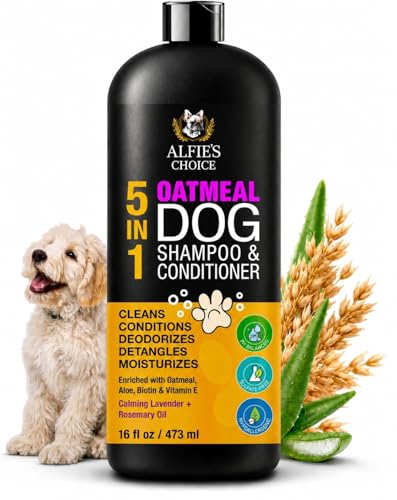
- Bathing: Bathe every three to six weeks using a dog-specific shampoo. Over-bathing strips natural oils and can cause dry, itchy skin. For breeds prone to skin sensitivity, choose a gentle formula from our dog shampoo category.
- Ear cleaning: Floppy-eared breeds like Poodles and Bichons are prone to ear infections. Clean ears weekly with a dog-safe cleaner and check for redness, odor, or discharge.
- Nail trimming: Trim nails every two to four weeks. Long nails alter gait and stress the joints. If you are unsure how to trim safely, a dog nail clipper with a safety guard and a guide to nail cutting for dogs will help you get started.
- Dental care: Brush teeth several times per week to prevent periodontal disease, which affects most dogs by age three. A dog toothbrush and dog-specific toothpaste make the routine easier.
Budgeting for grooming: Professional grooming is a recurring cost for most non shedding breeds. Before choosing a breed, factor in grooming appointments every four to eight weeks, plus the cost of brushes, shampoo, and clippers if you plan to do some maintenance at home. For many owners, home maintenance between professional visits reduces cost and keeps the coat healthier.
How to Choose the Right Non Shedding Breed
Coat type is only one factor in choosing a dog. A breed that does not shed but cannot tolerate your climate, energy level, or living space will still be a poor match. Work through the following questions honestly.
Questions to Ask Yourself
- How much grooming can I realistically do? Curly coats need the most brushing; wiry coats need less frequent brushing but still need regular professional attention.
- How active is my household? Portuguese Water Dogs and Standard Poodles need vigorous daily exercise, while Maltese and Bichons are content with shorter walks.
- How much space do I have? Toy and small breeds suit apartments; larger low-shedding breeds need room and outdoor access.
- Do I have children or other pets? Temperament matters more than coat. Breeds known for tolerance and sociability are safer choices for busy households.
- Can I afford ongoing grooming? Factor in professional grooming, equipment, and possible skin care products.
- Is anyone in the home allergic? Test reactions in person before committing, and plan environmental controls such as air purifiers and washable bedding.
Matching Coat to Lifestyle
- Lowest possible shedding with moderate grooming: Schnauzers and Airedales fit the bill thanks to their wiry coats.
- Allergy-conscious families: Poodles, Bichons, and Portuguese Water Dogs are the most commonly recommended breeds, though no breed is allergy-proof.
- First-time owners: Miniature Poodles, Havanese, and Bichons are generally forgiving for novices, provided you commit to grooming.
- Active outdoor households: Portuguese Water Dogs and Standard Poodles thrive with hiking, swimming, and training sports.
- Small living spaces: Toy Poodles, Maltese, and Yorkshire Terriers adapt well to apartments.
For a broader look at breeds selected for good health and fewer genetic problems, our guide to the healthiest dog breeds is a useful cross-reference. Owners considering a mixed breed should be aware that crossbreeds inherit coat traits unpredictably, which is why our article on the Miniature Sheepadoodle explains why some crosses shed more than expected.
Buying a Non Shedding Puppy
When you buy a non shedding puppy, coat inheritance is only part of the picture. Health, temperament, and breeder quality matter just as much, and the decisions you make at purchase set the tone for the next decade of your life together.
- Choose a reputable breeder: A good breeder health-tests breeding dogs, raises puppies in a home environment, and asks you as many questions as you ask them. Our guide on how to find a reputable dog breeder walks through the process step by step.
- Ask about coat and grooming history: Request to see the parents' coats and ask how much grooming they require. This gives you realistic expectations.
- Verify health testing: Poodles, Schnauzers, and other breeds have documented genetic conditions. Our article on genetic testing for dog breeds explains which tests are relevant.
- Read the contract carefully: A responsible breeder provides a written contract covering health guarantees and return policies. Our breeder contract guide explains what to look for.
- Visit before committing: Use our puppy visit checklist to assess the breeder's facilities, the puppy's condition, and the temperament of the parents.
- Ask about registration: Understand whether the puppy is sold with limited or full registration. Our limited vs full registration guide explains the difference and its implications.
Watch for red flags: Avoid breeders who cannot show you the parents, who meet you in parking lots, who sell multiple litters at once, or who pressure you to buy quickly. Our articles on red flags of a bad dog breeder and puppy mill vs reputable breeder explain the warning signs in detail.
Daily Care and Recommended Products
Beyond grooming, a non shedding dog needs the same foundations as any other dog: appropriate nutrition, regular exercise, preventive veterinary care, and mental stimulation. The coat affects grooming, but it does not change these fundamentals.
Grooming Tools
A slicker brush, metal comb, and detangling spray are essential for curly and wavy coats. A dog brush matched to your breed's coat type makes brushing more effective and comfortable for the dog. A quality dog dryer speeds drying after baths and prevents dampness-related skin problems in dense coats.
Entry to mid-range toolsNutrition
Feed a complete, balanced diet appropriate for your dog's life stage. Healthy skin and coat start from within, so choose a food with quality protein and balanced omega fatty acids. Our most recommended dry dog food guide compares options across quality tiers.
Mid-range to premium foodsParasite Prevention
Low shedding does not mean low parasite risk. Keep up monthly flea, tick, and heartworm prevention year-round, especially if your dog attends grooming salons, dog parks, or training classes. Our guide to monthly flea, tick, and heartworm prevention covers the options.
Year-round protectionComfort and Enrichment
A comfortable dog bed, a secure harness for walks, and durable chew toys support daily well-being. Mental stimulation through puzzle toys is especially valuable for intelligent breeds like Poodles and Schnauzers.
Everyday essentialsIf you are building your supply list from scratch, our dog products category groups essentials by type, making it easier to compare options before buying. For households with allergy concerns, washable covers and air purifiers are worthwhile additions alongside regular grooming.
Common Mistakes to Avoid
Owners new to low-shedding breeds often make avoidable mistakes. Recognizing them early saves money, stress, and discomfort for the dog.
- Assuming non shedding means no grooming. This is the most common and most damaging misconception. Dead hair trapped in the coat causes mats, skin infections, and pain. Commit to regular brushing before choosing a breed.
- Choosing a breed by coat alone. A dog that does not shed but is too energetic, too vocal, or too large for your lifestyle will still be a poor fit. Match the whole dog, not just the coat.
- Skipping professional grooming to save money. Home brushing is essential, but most curly and wavy coats still need professional trimming. Neglecting this leads to severe matting that can require shaving the dog down.
- Assuming a puppy will not shed because the parent does not. Crossbreeds inherit coat traits unpredictably, and even within purebreds individual shedding varies. Ask breeders for honest assessments and visit adult dogs of the same breed.
- Bathing too often. Over-bathing strips natural oils and can cause skin irritation. Stick to every three to six weeks unless your veterinarian advises otherwise.
- Ignoring skin problems. Non shedding breeds are prone to skin fold irritation, ear infections, and mat-related dermatitis. Check the skin regularly and consult a vet for persistent redness, odor, or scratching.
- Skipping preventive care. Low-shedding breeds still need annual wellness exams, vaccinations, parasite prevention, and dental care. Preventive care is far less expensive than treating disease.
- Buying from a puppy mill or backyard breeder. A low price on a rare or popular breed is often a red flag. Reputable breeders health-test and socialize their puppies. Our article on backyard breeder dangers explains the risks.
Frequently Asked Questions
Final thoughts: Non shedding dog breeds are an excellent choice for owners who value a clean home or who struggle with dog allergies. The trade-off is a real grooming commitment. Choose a breed whose size, energy level, and temperament suit your household, buy from a reputable breeder who health-tests, and budget for regular professional grooming. If you do, you will have a comfortable, healthy companion who leaves far less fur behind than most dogs.