Nail Cutting for Dogs: The Safe Trimming Guide
Everything you need to trim your dog's nails with confidence — choosing the right tools, finding the quick, managing anxious dogs, and avoiding the mistakes that send owners running to the vet.
Nail cutting is one of the most dreaded grooming tasks for dog owners — and one of the most important. Overgrown nails don't just look untidy; they change how your dog walks, put stress on joints, and can lead to pain, lameness, and even infection. Yet many owners avoid trimming because they are afraid of hurting their dog or cutting the quick.
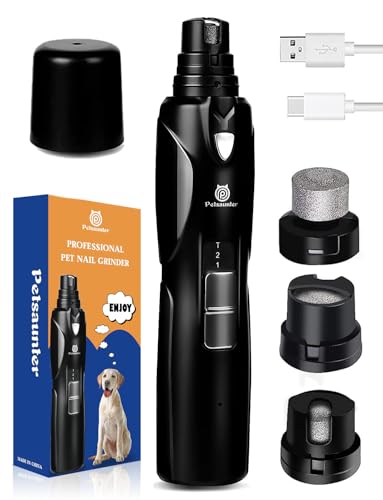
This guide removes the guesswork. You will learn how to assess your dog's nails, choose equipment that matches your confidence level, and trim safely whether your dog has clear or black nails. If your dog is anxious or reactive about paw handling, there is a dedicated section on desensitization. And if you would rather avoid clippers entirely, nail grinding for dogs is a gentler alternative worth considering.
Why Nail Care Matters More Than You Think
Dog nails grow continuously, much like human fingernails. In the wild, constant movement over rough terrain kept nails worn down. Modern dogs walk on soft surfaces — carpets, grass, hardwood — so their nails rarely wear naturally. Without regular trimming, nails grow longer and longer, and the consequences go far beyond aesthetics.
What Happens When Nails Grow Too Long
- Gait changes: Long nails force the dog to shift weight backward, changing their posture and stride. Over time this alters how they stand and walk.
- Joint stress: The altered gait places extra strain on the joints, which can aggravate or accelerate conditions like arthritis — particularly in senior dogs.
- Quick overgrowth: The quick (the blood supply inside the nail) grows forward as the nail grows. The longer you wait, the harder it becomes to trim without bleeding.
- Nail splitting and breakage: Long nails are more likely to catch on fabric, carpet, or outdoor debris and tear — which is painful and often bleeds.
- Ingrown nails: Dewclaws and curled nails can grow into the paw pad, causing infection and significant pain.
- Sliding on smooth floors: Long nails reduce traction, making it harder for dogs — especially seniors — to move confidently on tile or hardwood.
- Paw deformities: Chronically long nails can gradually push the toes out of alignment, causing permanent changes to the paw structure.
Quick Check: Stand your dog on a hard floor and listen. If you hear clicking as they walk, their nails are too long and need trimming. Another simple test: when your dog stands naturally, the nails should not touch the ground. They should hover just above it.
Choosing the Right Nail Trimming Tools
The tool you choose matters — but not as much as familiarity and technique. There is no single "best" tool, only the one your dog tolerates and you can use confidently. Most owners eventually settle on one primary tool, sometimes with a secondary tool for smoothing.
| Tool Type | Best For | Advantages | Limitations | Tier Positioning |
|---|---|---|---|---|
| Scissor Clippers | Small and medium dogs, thin nails | Precise control, quiet operation, easy to see the cut | Requires hand strength, slower on thick nails | entry-level to mid-range |
| Guillotine Clippers | Small dogs with thin nails | Simple mechanism, affordable, easy to learn | Can crush thick nails, requires precise placement | budget-friendly |
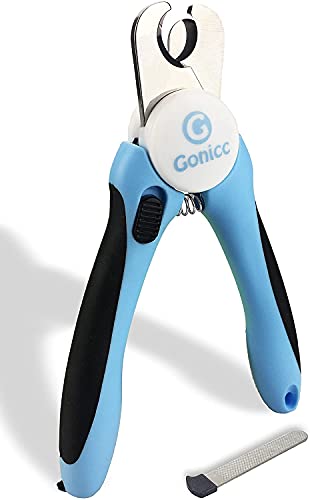
| Plier-Style Clippers | Medium, large, and giant breeds | Leverage for thick nails, comfortable grip, durable | Bulkier, can be intimidating for nervous dogs | mid-range to premium |
| Nail Grinders | Dogs with thick or dark nails, owners who prefer gradual trimming | Smooth finish, less risk of cutting the quick, no sharp edges | Noise and vibration, requires desensitization, slower | mid-tier to high-end |
Essential Supplies Beyond the Clippers
- Styptic powder or gel: Stops bleeding instantly if you cut the quick. Cornstarch or flour works in a pinch, but dedicated styptic products are more effective.
- High-value treats: Something your dog only gets during nail trims. Small, soft treats work best so they don't distract from the task.
- A helper (optional): For wiggly or anxious dogs, a second person to hold and reward makes the process much easier.
- Good lighting: Especially important for black nails or if you trim in the evening.
- Lick mat or peanut butter: A distraction tool that keeps your dog's mouth busy while you work on one paw at a time.
Buying Tip: Whatever clipper you choose, keep the blade sharp. Dull blades crush and splinter nails instead of cutting cleanly, which is painful and makes the experience worse for everyone. Replace blades or the whole clipper when you notice hesitation or splintering. For a wider selection of grooming tools, browse our dog nail clippers guide and pair them with paw protection products for post-trim care.
Understanding Nail Anatomy
Before you cut a single nail, you need to understand what is inside it. Dog nails consist of two parts: the hard outer shell (the nail itself) and the living tissue inside, called the quick. The quick contains blood vessels and nerves. Cut into it and your dog feels pain and bleeds — which is why technique matters.
The Two Nail Types
Dog nails are curved and either clear/light-colored or black. The curvature means you trim on an angle that follows the natural line of the nail, not straight across.
- Clear nails: You can see the pink quick through the nail, which makes it easy to see where to stop. Trim a small amount at a time until you are just shy of the pink area.
- Black nails: The quick is hidden. You must trim in small increments and inspect the cut surface after each cut to know when to stop.
- Dewclaws: The nails on the inner side of the leg (and sometimes on the rear legs) don't touch the ground and therefore never wear down. They often curl and grow into the skin if left untrimmed. Never skip them.
How to Find the Quick on Clear Nails
Hold the paw firmly and look at the underside of the nail. On clear nails, the quick appears as a pinkish triangle or line that extends into the nail. The tip of the quick is usually visible as a soft pink center. Cut perpendicular to the nail's curve, taking off small slices rather than one large cut. The closer you get to the quick, the more pink you see — stop before you reach it.
Step-by-Step Nail Trimming
This is the process most professional groomers follow. It works for dogs of all sizes and confidence levels, though you may need to adapt the pace for anxious dogs.
- Prepare your space and supplies. Choose a well-lit area with a non-slip surface. Have clippers, styptic powder, and treats within reach. If your dog is nervous, set up a lick mat or have a helper ready.
- Handle paws daily in advance. If your dog isn't used to paw handling, start a week before trimming. Touch each paw briefly, reward, release. Build up to holding the paw for a few seconds. This desensitization makes the actual trim far easier.
- Position your dog comfortably. For small dogs, hold them on your lap or a table at waist height. For large dogs, have them stand or lie on their side. Never force a struggling dog into a position — if they panic, stop and try again later.
- Hold the paw firmly but gently. Place one hand under the paw to support it, and use your thumb to push the pad up so the nail extends. Use your other hand to hold the clipper.
- Identify your cut line. On clear nails, look for the pink quick. On black nails, plan to take small slivers. The cut should follow the natural curve of the nail — angled, not flat across.
- Make the first cut small. Take off just the tip — 1-2 millimeters. This is the safest starting point, especially for beginners and black nails.
- Inspect the cut surface. On clear nails, look for a chalky white/grey center. On black nails, this is your only guide. If you see a dark spot or a moist pink center, you are at the quick — stop.
- Continue in small increments if needed. If the cut surface is chalky, you can take another small slice. Work slowly, checking after every cut.
- Reward frequently. Give a treat after each paw, or even after each nail for very anxious dogs. Keep the session positive and short — 2-3 nails per session is fine when you are starting out.
- Finish with the dewclaws. These are often forgotten but are the most prone to overgrowth and ingrown problems. Trim them the same way, taking extra care because the quick is often longer relative to the nail.
- Clean up and reward generously. Wipe down the clippers, sweep up nail trimmings, and give your dog a high-value treat or short play session. End on a positive note so the next session is easier.
Paw Handling Matters: Even if you trim perfectly, a dog who hates having their paws touched will struggle with nail care for life. Spend a few minutes each day handling paws gently — massage the pads, touch each nail, and reward calm behavior. Combine this with positive behavior modification techniques if your dog shows fear or resistance.
Trimming Black Nails Without Cutting the Quick
Black nails are the number one reason owners avoid trimming. You cannot see the quick, so the entire process relies on observation and patience. The rule is simple: take small slices and check after every cut.
The Chalky Center Method
After each cut, look at the flat surface of the nail. You are looking for a chalky white, grey, or pale center surrounded by a darker ring. This is the safe zone — you can take another small slice. When you see a dark, moist, or pink spot in the center, you have reached the quick. Stop cutting that nail.
The Two-Session Approach
For very long black nails where the quick has grown forward, don't try to get the nail to the ideal length in one session. Trim a small amount, wait a week or two for the quick to recede slightly, then trim again. Over several sessions, the quick will gradually pull back, allowing you to get the nail shorter without bleeding. This is the safest approach for dogs whose nails have been neglected.
Alternative for Black Nails: If you are uncomfortable with the guesswork, consider a nail grinder. Grinders remove small amounts of nail at a time and give you more control, which makes it easier to avoid the quick — especially on dark nails. See our nail grinding guide for a step-by-step walkthrough.
What If You Cut the Quick?
It happens to every owner eventually — even professional groomers occasionally nick the quick. The important thing is to stay calm and act quickly. Your dog will sense your anxiety, so take a breath and follow these steps.
- Stay calm and comfort your dog. Speak in a soothing voice. Don't scold or panic — this is an accident, and your dog is already stressed.
- Apply styptic powder. Press a pinch of styptic powder into the bleeding nail and hold gentle pressure for 30-60 seconds. If you don't have styptic powder, cornstarch or flour works as a substitute.
- Keep pressure on. If bleeding continues, apply more powder and continue holding pressure. Most quick bleeds stop within 5-10 minutes.
- Distract and reward. Give your dog a treat and a calm environment. Avoid trimming the other nails for the rest of the session if your dog is distressed — you can finish later.
- Monitor for infection. Keep an eye on the nail for a few days. If you notice swelling, discharge, or persistent pain, contact your vet.
- Don't avoid future trims. It's natural to feel guilty, but skipping trims makes the problem worse next time. Take a break for a week or two, then resume with extra caution and smaller cuts.
Emergency Note: If bleeding doesn't stop after 15 minutes of pressure, or if your dog seems in significant pain, contact your vet. If your dog is on blood thinners or has a bleeding disorder, seek veterinary advice before trimming. For general first aid preparedness, keep a dog first aid kit stocked and accessible.
Handling Anxious or Reactive Dogs
Some dogs tolerate nail trims without a fuss. Others panic, pull away, or even snap. Fear-based resistance is common and understandable — paws are sensitive, and clippers can feel strange or frightening. The solution is not force; it is gradual desensitization and positive associations.
Desensitization Steps
- Start with the clippers on the floor. Let your dog sniff them and reward any calm interest. Don't pick them up yet.
- Touch the clippers to your dog's body. Gently touch the closed clippers to their shoulder, then paw, then nail. Reward after each touch.
- Click the clippers near your dog. The sound is often the scary part. Click them a few inches away, reward, repeat until your dog ignores the sound.
- Clip one nail per session. Break the process into tiny steps. One nail today, one tomorrow. Reward heavily after each successful clip.
- Use a helper if needed. One person holds and rewards while the other trims. This is not force — it is teamwork. If your dog is truly panicked, stop and try again another day.
- Consider a lick mat. Smearing peanut butter or dog-safe paste on a lick mat distracts your dog while you work on one paw. This works especially well for food-motivated dogs.
When to Get Professional Help
If your dog becomes aggressive, panics to the point of injury, or cannot be handled even after weeks of desensitization, professional help is warranted. A groomer or vet can trim nails quickly and safely. For severe anxiety, consult your vet about calming products or a referral to a behaviorist. There is no shame in seeking help — the goal is your dog's well-being, not perfection.
Positive Reinforcement Pays Off: A dog who is rewarded generously during nail trims learns that the clippers predict treats. Over time, many anxious dogs become tolerant or even eager for the process. Patience during the early sessions is the most valuable investment you can make.
Common Nail Problems and What They Mean
Nail issues are often a window into your dog's overall health. If you notice any of these problems, address them promptly or consult your vet.
Overgrown Nails
The most common problem. Nails that click on the floor indicate overgrowth. Long nails change gait, stress joints, and increase the risk of splitting and ingrown nails. Regular trimming every 3-4 weeks prevents this. For dogs with severely overgrown nails, trim small amounts at a time so the quick can recede.
Split or Torn Nails
A split nail can be painful and may bleed. If the split is minor, keep it clean and monitor for infection. If the nail is torn near the quick or is clearly painful, see your vet. They may need to trim or remove the damaged portion under local anesthesia.
Ingrown Nails
Most common on dewclaws or curled nails that grow into the paw pad. Signs include limping, licking at the paw, and visible redness or swelling around the nail. If the nail has penetrated the skin, see your vet immediately — this can cause infection and requires professional care.
Brittle or Dry Nails
Nails that crumble or break easily may indicate nutritional deficiencies, thyroid issues, or simply dry weather. A balanced diet and proper hydration help. Some owners use paw and nail balms to improve condition. If brittleness persists, ask your vet about potential underlying causes.
Discolored Nails
Dark spots, yellowing, or unusual discoloration can indicate infection, fungal issues, or trauma. If a nail changes color without explanation, have your vet examine it. Nail bed infections are common in dogs who frequently lick their paws.
Dewclaw Problems
Dewclaws are small nails on the inner leg that never touch the ground. They grow continuously and can curl into the skin, causing pain and infection. Some breeds have rear dewclaws that dangle loosely and catch on things. Regular trimming — every 3-4 weeks — is essential. If a dewclaw is injured or ingrown, see your vet.
If you notice your dog constantly licking or chewing at their paws, that is worth investigating. It can be a sign of nail problems, allergies, or other issues. Our guide on red and licking paws covers potential causes and when to see a vet.
How Often Should You Trim Your Dog's Nails?
There is no single schedule that fits every dog, but most need trimming every 3-4 weeks. Use these guidelines to determine what works for your dog:
- Most indoor dogs: Every 3-4 weeks. Soft surfaces don't wear nails down, so regular trimming is the only way to keep them short.
- Active outdoor dogs: Every 4-6 weeks. Rough terrain (concrete, gravel, rocks) wears nails down naturally, but you still need to check and trim as needed.
- Puppies: Start handling paws and introducing clippers early. Trim small amounts as needed — puppy nails grow quickly. This is also the ideal time for puppy grooming habits.
- Senior dogs: Every 3-4 weeks, sometimes more often. Older dogs often move less, so nails grow faster relative to wear. Also check for arthritis pain, which can make trimming more uncomfortable.
- Dogs with black nails: Every 2-3 weeks, taking small amounts each time. Frequent small trims are safer than infrequent large trims because the quick recedes gradually.
Dewclaws are different: They never touch the ground, so they need trimming every 2-3 weeks regardless of how active your dog is. A neglected dewclaw can curl into the paw pad and cause serious pain.
Nail trimming is not a one-and-done task — it is a lifelong grooming habit. If you are building a complete grooming routine, pair nail care with regular grooming, dental care, and coat maintenance. For dogs who spend time on rough or hot surfaces, paw protection can help maintain paw health between trims.
Frequently Asked Questions
Final Thoughts: Nail cutting is a skill that improves with practice. Start with small steps, reward generously, and don't be discouraged by the occasional nick. A dog with well-maintained nails is more comfortable, moves better, and is less likely to develop joint or paw problems later in life. If you are new to grooming, start with basic paw handling and consider a grinder for a gentler learning curve. For a complete grooming routine, browse our dog grooming guide and stock up on nail clippers and paw care products.