My Dog's Paws Are Red and He Keeps Licking Them
Discover the common causes of red, itchy paws in dogs and learn effective treatment options to provide your furry friend with fast relief.
If you've noticed your dog's paws are red and he keeps licking them, you're not alone. This is one of the most common issues dog owners face, and it can be distressing to see your furry companion in discomfort. The redness and constant licking are usually signs of an underlying problem that needs attention.
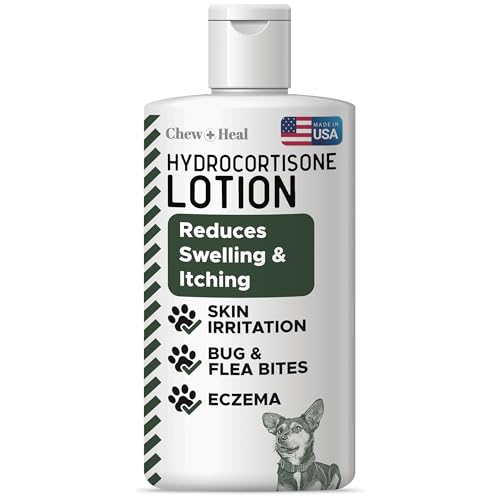
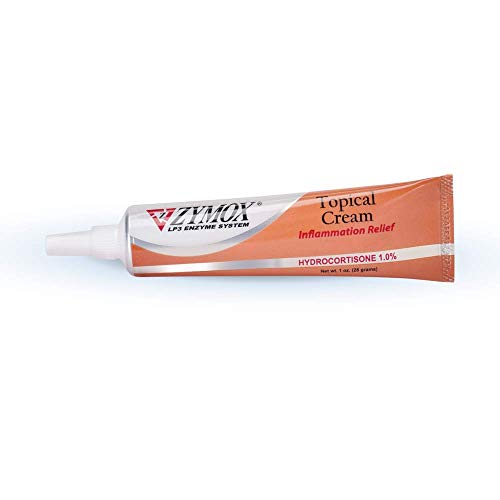
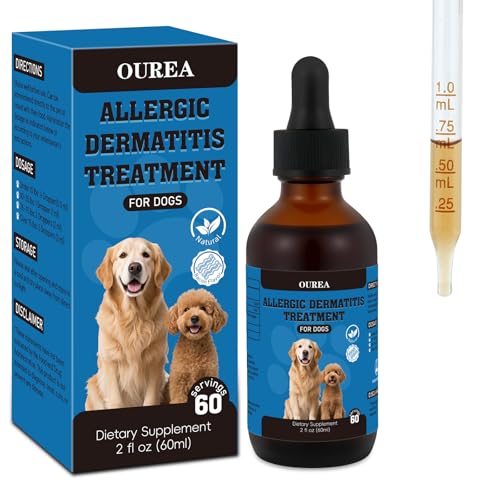
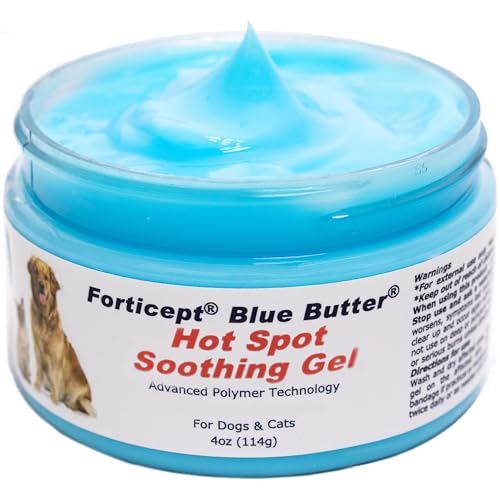
Understanding the root cause is the first step to providing relief. Whether it's environmental allergies, a yeast infection, or something more serious, this guide will help you identify the issue and explore effective treatment options, including products you can use to soothe your dog's irritated paws.
Understanding Red Paws in Dogs
A dog's paw pads are designed to withstand a lot of wear and tear. However, they are also sensitive and can become irritated by various factors. When the skin between the toes or the paw pads themselves become inflamed, the condition is known as pododermatitis. Redness, swelling, and excessive licking are hallmark signs that something is wrong.
Dogs lick their paws for a variety of reasons. While occasional licking is normal grooming behavior, persistent, focused licking that causes redness, hair loss, or open sores is a cause for concern. Your dog may be trying to soothe an itch, relieve pain, or manage anxiety. It's your job to figure out what's driving this behavior.
Common Causes of Red Paws
Several conditions can cause your dog's paws to become red and itchy. Identifying the underlying cause is crucial for effective treatment.
🌸 Environmental Allergies
Just like humans, dogs can suffer from seasonal allergies. Pollen, grass, mold, and dust mites can cause atopic dermatitis, leading to red, itchy paws. This is one of the most common causes of paw licking, especially during spring and summer.
- Redness between the toes and on paw pads
- Constant licking and chewing, especially after walks
- Possible hair loss or discoloration of the fur on paws
🐾 Food Allergies
Food allergies or sensitivities can manifest as skin issues, including red, itchy paws. Common allergens include chicken, beef, dairy, and wheat. If your dog's paw licking is accompanied by gastrointestinal upset or ear infections, a food allergy might be the culprit.
- Year-round licking, not just during allergy season
- Often paired with other symptoms like itchy ears or digestive issues
- May improve with a limited-ingredient diet
🦠 Yeast or Bacterial Infections
Constant licking creates a moist environment that is perfect for yeast and bacteria to thrive. A yeast infection caused by Malassezia or a bacterial infection can turn the skin red, irritated, and smelly. These infections often occur secondary to allergies or a compromised immune system.
- Red, inflamed skin with a distinct, often musty odor
- Brownish discharge or crusting between the toes
- Excessive licking and sometimes paw chewing
🧊 Contact Irritants
Walking on hot pavement, salted sidewalks, or chemically treated lawns can cause burns or irritation to your dog's paw pads. Similarly, harsh cleaning products or certain plants can trigger a reaction.
- Redness or blistering on the paw pads themselves
- Limping or reluctance to walk
- Licking that is triggered immediately after walks
😟 Anxiety & Boredom
Compulsive licking can also be a behavioral issue. Dogs may lick their paws to self-soothe when they are anxious, stressed, or bored. This is often seen in dogs with separation anxiety or those who are under-stimulated.
- Licking occurs when the dog is left alone or during stressful events
- No other signs of skin irritation or infection
- May be paired with other compulsive behaviors
🪱 Parasites
Ticks, mites, or fleas can cause intense itching, leading to a dog focusing its licking on its paws. This is less common but should be considered if other causes are ruled out.
- Itching that is not limited to the paws
- Visible parasites or flea dirt in the fur
- May require a flea and tick treatment
Symptoms to Watch For
Beyond the obvious redness and licking, other signs can indicate the severity of the issue. Monitoring these symptoms will help you and your vet determine the best course of action.
- Redness & Inflammation: The skin between the toes and the paw pads appears swollen and pink or red.
- Excessive Licking or Chewing: Your dog is repeatedly licking, biting, or chewing at its paws, often obsessively.
- Hair Loss & Discoloration: The hair on the paws may thin out or turn a reddish-brown color due to the saliva's enzymes.
- Unpleasant Odor: A yeasty or foul smell coming from the paws is a strong indicator of an infection.
- Swelling or Discharge: In more severe cases, the paws may swell, or there may be a discharge or crusting between the toes.
- Limping or Discomfort: Your dog may show signs of pain or reluctance to walk, especially if there are open sores or burns.
Treatment Options for Red Paws
The treatment for your dog's red paws depends entirely on the underlying cause. Here are the most common approaches recommended by veterinarians.
🐕 Allergies Management
If allergies are the culprit, your vet may recommend antihistamines, a change in diet, or prescription medications like Apoquel or Cytopoint. Identifying and avoiding the allergen is key.
🧴 Antifungal & Antibacterial Treatments
For yeast or bacterial infections, your vet will prescribe medicated shampoos, wipes, or topical creams. In severe cases, oral antibiotics or antifungal medications may be necessary.
🛁 Paw Soaks & Cleansers
Regular paw soaks with a chlorhexidine or antiseptic solution can help clean the paws and reduce bacterial and fungal growth. This is a great supportive care measure.
🚫 The Cone of Shame (E-Collar)
To prevent your dog from licking and making the condition worse, an Elizabethan collar (e-collar) is often necessary. This allows treatments to work and prevents self-trauma.
Home Care & Prevention
You can take several steps at home to soothe your dog's paws and prevent issues from recurring. These practices complement veterinary treatment and are crucial for long-term paw health.
- Clean Paws After Walks: Use a damp cloth to wipe your dog's paws after every walk. This removes pollen, salt, and chemical residues that can cause irritation. You can also use paw wipes or balms designed to moisturize and protect paw pads.
- Paw Soaks: Soak your dog's paws in warm water with Epsom salts or a vet-recommended antiseptic solution for 5-10 minutes. This can soothe inflammation and clean the paws thoroughly. Dry the paws completely afterward.
- Keep Nails Trimmed: Long nails can alter a dog's gait and put extra pressure on the paw pads, leading to discomfort and irritation. Regular trimming is essential. Learn more about how to trim your dog's nails safely.
- Moisturize Paw Pads: Use a pet-safe paw balm or coconut oil to keep paw pads from drying out and cracking. This is especially important in winter and summer when paws are exposed to extreme conditions.
- Consider Dietary Changes: If you suspect a food allergy, work with your vet to transition to a hypoallergenic or limited-ingredient diet. A high-quality diet can significantly improve skin and coat health.
- Manage Anxiety: If you suspect anxiety is the cause, consider providing more mental and physical stimulation. Puzzle toys, regular exercise, and creating a safe space can help. In some cases, your vet may recommend calming supplements or medication.
Pro Tip: Always dry your dog's paws thoroughly, especially between the toes. Moisture trapped in the fur can lead to yeast infections. Use a clean, absorbent towel and gently pat dry.
When to See a Veterinarian
While mild paw redness and occasional licking can be managed at home, there are situations where immediate veterinary attention is crucial. If your dog's paws are severely inflamed, bleeding, or he is in obvious pain, it's time to see the vet.
Contact your veterinarian immediately if you notice:
- Open sores, bleeding, or pus-filled lesions on the paws
- Severe swelling that is affecting your dog's ability to walk
- A sudden change in behavior, such as aggression or lethargy
- Redness that does not improve with home care after 48 hours
- Signs of a systemic infection, such as fever or loss of appetite
Your vet can perform tests like skin cytology, allergy testing, or biopsies to diagnose the exact cause and prescribe the most effective treatment. Remember, chronic licking can be a sign of an underlying health issue like arthritis or allergies that requires professional management.
Frequently Asked Questions
Is Your Dog's Paw Licking Causing You Concern?
Red, itchy paws are a common but treatable problem. By identifying the underlying cause and taking proactive steps, you can help your dog feel comfortable and healthy again. Remember, this guide is a starting point, and professional veterinary advice is always the best course of action for your beloved pet. For more information on dog health and care, explore our comprehensive dog health guides.