Best Over the Counter Flea and Tick Treatment for Dogs
Your complete guide to choosing safe, effective, and vet-recommended flea and tick protection for your dog — without a prescription.
Fleas and ticks are more than just annoying pests — they are disease-carrying parasites that can seriously harm your dog's health. Fleas cause intense itching, allergic dermatitis, and can transmit tapeworms. Ticks spread Lyme disease, ehrlichiosis, anaplasmosis, and Rocky Mountain spotted fever, all of which can be life-threatening if left untreated.
The good news is that you don't always need a prescription to protect your dog. Many highly effective over-the-counter flea and tick treatments are available, offering convenience and affordability. This guide will help you understand your options, compare product types, and choose the best treatment for your dog's specific needs.
Quick Fact: A single female flea can lay up to 50 eggs per day and over 2,000 in her lifetime. By the time you spot one flea on your dog, there are likely hundreds of eggs, larvae, and pupae in your home environment.
Understanding Fleas and Ticks
Before choosing a treatment, it's important to understand what you're fighting. Fleas and ticks have different life cycles, behaviors, and vulnerabilities — which means some treatments work better against one than the other.
The Flea Life Cycle
Fleas go through four stages: egg, larva, pupa, and adult. Only adult fleas live on your dog, but they make up just 5% of the total flea population. The other 95% — eggs, larvae, and pupae — live in your carpet, bedding, and yard. This is why treating your dog alone isn't enough during an active infestation. You need to address the environment too.
The Tick Threat
Ticks are arachnids, not insects, which means some flea-only products won't work against them. Ticks attach to your dog's skin and feed on blood for several days. During feeding, they can transmit diseases. Unlike fleas, ticks don't live in your home environment — they live outdoors in grass, brush, and wooded areas. Your dog picks them up during walks or play.
Seasonal vs. Year-Round Prevention: In many regions, fleas and ticks are active year-round, especially indoors where temperatures stay warm. Even in colder climates, ticks can emerge on mild winter days. Year-round prevention is the safest approach and is recommended by most veterinarians.
Types of Over the Counter Treatments
Over-the-counter flea and tick treatments fall into several categories. Each has distinct advantages and limitations. The best choice depends on your dog's lifestyle, coat type, health status, and your personal preferences.
Oral Chewables & Tablets
Chewable tablets that enter the bloodstream. Fleas and ticks die when they bite your dog. Fast-acting, mess-free, and won't wash off. Ideal for dogs who swim frequently or have skin sensitivities. Some formulations provide up to 12 weeks of flea protection.
Best for fast-acting protectionTopical Spot-On Treatments
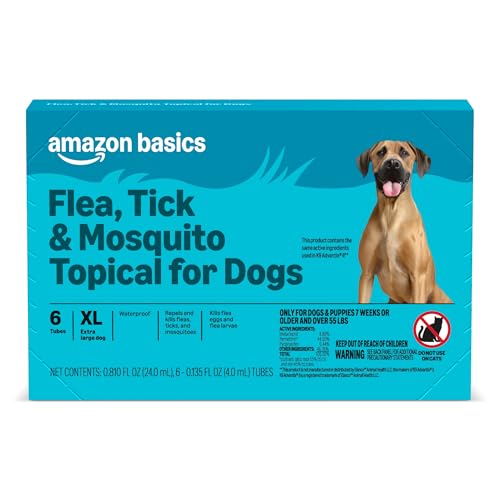
Liquid applied to the skin between the shoulder blades. Spreads across the skin and coat. Kills fleas and ticks on contact or when they bite. Also helps control fleas in the environment. Requires 24-48 hours to fully dry and can wash off with swimming.
Best for environmental controlFlea and Tick Collars
Collars that release active ingredients over time. Convenient, long-lasting (some up to 8 months), and affordable. Best for dogs with mild exposure risk. Not ideal for dogs who swim often or have heavy infestations. Some collars work against ticks while others target only fleas.
Best for convenienceShampoos & Sprays
Fast-acting but short-lived. Kill fleas and ticks on contact but provide no residual protection. Best used as a supplement during active infestations, not as a primary preventive. Good for immediate relief and for treating the environment.
Best for immediate reliefFlea Combs & Manual Removal
Not a treatment, but a useful tool. Flea combs remove adult fleas and flea dirt from your dog's coat. Tick removal tools help you safely detach ticks. Use alongside a preventive product, not as a replacement. Essential for monitoring effectiveness.
Best as a supplementCombination Products
Products that combine flea, tick, and sometimes heartworm or intestinal worm protection in one dose. Convenient and cost-effective compared to buying separate products. Available in both oral and topical forms. Always check the label for exactly what's covered.
Best for comprehensive coverageIf your dog has sensitive skin, be especially careful when choosing a product. Some dogs react poorly to certain topical treatments. In that case, an oral treatment for sensitive skin may be a better option. For dogs who need multiple types of parasite protection, an all-in-one flea, tick, and worm treatment can simplify your routine.
Treatment Comparison Table
Use this table to quickly compare the main types of over-the-counter flea and tick treatments. Each has trade-offs between speed, duration, convenience, and coverage.
| Treatment Type | Speed of Action | Duration | Water Resistance | Flea Coverage | Tick Coverage |
|---|---|---|---|---|---|
| Oral Chewables | Fast (2-4 hours) | 1-3 months | Excellent | Excellent | Good to Excellent |
| Topical Spot-On | Moderate (12-24 hours) | 1 month | Moderate to Good | Excellent | Good |
| Collars | Slow (days) | 6-8 months | Poor to Moderate | Good | Variable |
| Shampoos | Immediate | None (no residual) | N/A | Kills adults only | Kills adults only |
| Sprays | Immediate | Days | Poor | Moderate | Moderate |
For most dog owners, oral chewables or topical spot-on treatments provide the best balance of effectiveness and convenience. If you're dealing with an active infestation, you may need to combine a fast-acting product with an environmental treatment. For persistent problems, see our guide on the best ways to get rid of fleas on a dog and what to do if you can't seem to get rid of fleas.
Active Ingredients Explained
The effectiveness of any flea and tick treatment comes down to its active ingredients. Understanding what each ingredient does helps you compare products and choose the right one for your dog.
Common Flea Adulticides
- Fipronil: A broad-spectrum insecticide that kills fleas and ticks. Found in many topical treatments. Works by disrupting the nervous system of parasites. Long-lasting residual activity.
- Imidacloprid: Kills adult fleas by interfering with their nervous system. Often combined with permethrin for tick coverage. Found in topical spot-on products.
- Spinosad: An oral active ingredient that kills fleas quickly. Derived from a naturally occurring soil bacterium. Effective for dogs with allergies or skin sensitivities.
- Afoxolaner: An oral ingredient that kills fleas and ticks. Works systemically — parasites die when they bite. Provides rapid and long-lasting protection.
- Nitenpyram: A fast-acting oral flea killer. Starts killing fleas within 30 minutes. No residual activity — used for immediate relief, not prevention.
Common Tick Adulticides
- Permethrin: Highly effective against ticks. Also kills fleas. Never use on cats — it is toxic to them. Found in many dog-only topical products.
- Amitraz: A tick-specific ingredient often combined with fipronil or permethrin. Kills ticks by disrupting their nervous system.
- Fluralaner: An oral ingredient that kills fleas and ticks for up to 12 weeks. Very effective against multiple tick species.
Insect Growth Regulators (IGRs)
IGRs don't kill adult fleas — they prevent eggs and larvae from developing into adults. Common IGRs include methoprene and pyriproxyfen. These are often combined with adulticides for a dual-action approach that breaks the flea life cycle.
Important Safety Warning: Never use products containing permethrin on cats. Even indirect contact with a treated dog can cause severe reactions in cats. If you have both dogs and cats, choose a product that is safe for multi-pet households, or keep them separated until the treatment has fully dried.
Some dogs are allergic to certain ingredients or have underlying health conditions that make some treatments unsafe. If your dog has a history of skin problems, an OTC flea treatment for sensitive skin is a safer choice. Also consider whether your dog needs oral flea and tick treatment without a prescription or if a topical option works better for your situation.
How to Choose the Right Product
With so many options available, choosing the right flea and tick treatment can feel overwhelming. Use these criteria to narrow down your choices and find the best fit for your dog.
Factors to Consider
- Your dog's size and weight: Flea and tick products are dosed by weight. Using a product that's too strong for a small dog can cause serious side effects, while under-dosing a large dog means it won't work. Always weigh your dog before choosing a product and follow the weight ranges on the label.
- Your dog's age: Puppies are more sensitive to chemicals. Some products are safe for puppies as young as 8 weeks, while others require the dog to be at least 12 weeks or older. Never use adult-strength products on puppies.
- Your dog's lifestyle: Dogs who swim or get bathed frequently need water-resistant or oral treatments. Dogs who hike in wooded areas need strong tick protection. Dogs who mostly stay indoors may do well with a collar or lower-intensity topical product.
- Your dog's health status: Dogs with allergies, sensitive skin, epilepsy, or other health conditions may need specific formulations. Always consult your veterinarian if your dog has a pre-existing health condition.
- Your environment: If you live in a high-risk area for ticks (wooded, grassy regions) or have a severe flea problem in your home, you may need a more aggressive approach. In low-risk areas, a basic preventive may be sufficient.
- Other pets in the home: If you have cats, avoid permethrin-based products. If you have multiple dogs, treat them all at the same time to prevent re-infestation.
- Ease of use: Oral chews are easiest for some owners, while others prefer the simplicity of a collar. Choose a product you can administer consistently and correctly every time.
Quality Tiers Explained
OTC flea and tick treatments generally fall into three quality tiers:
- Entry-level: Basic flea and tick collars, shampoos, and older topical formulations. These provide minimal protection and are best for dogs with very low exposure risk or as supplemental tools during an active infestation.
- Mid-range: Standard topical spot-on treatments and oral chewables from established brands. These offer reliable monthly protection against fleas and common tick species. Good balance of effectiveness and value for most pet owners.
- Premium: Advanced oral chewables and combination products that provide fast-acting, long-lasting protection against multiple parasite species. Often include additional coverage for heartworms or intestinal worms. Ideal for dogs with high exposure risk or owners who want the most comprehensive protection available without a prescription.
If you're unsure whether to choose an oral or topical treatment, our guide on flea and tick chewables without a vet prescription breaks down the pros and cons. For an even broader comparison, see the safest and most effective flea and tick treatments.
Application Tips & Safety
Even the best product won't work if it's applied incorrectly. Follow these guidelines to ensure maximum effectiveness and safety for your dog.
Applying Topical Treatments
- Part the fur between your dog's shoulder blades until you can see the skin.
- Apply the entire contents of the tube directly onto the skin in one or two spots — not on the fur.
- Do not touch or pet the application site until it is completely dry (usually 24-48 hours).
- Keep your dog away from other pets and children until the product dries.
- Do not bathe your dog or let them swim for at least 48 hours after application, unless the product label states it is water-resistant.
- Wash your hands thoroughly after applying the product.
Using Oral Treatments
- Give the chewable as directed — most dogs take it willingly, but you can hide it in food if needed.
- Ensure your dog swallows the entire dose. If they spit it out, do not give another full dose without consulting your vet.
- Some oral products work best when given with a meal. Check the label for specific instructions.
- Watch for side effects like vomiting, diarrhea, or lethargy in the first 24 hours. Mild reactions usually resolve, but contact your vet if symptoms are severe or persistent.
Using Collars
- Ensure the collar fits snugly but not too tight — you should be able to fit two fingers between the collar and your dog's neck.
- Trim any excess collar length so your dog can't chew on it.
- Check the collar periodically for wear and replace it as recommended by the manufacturer.
- Some collars need to be activated by stretching or exposure to air. Read the instructions carefully.
Pro Tip: Mark your calendar or set a phone reminder for reapplication. It's easy to forget when a month has passed, but skipping a dose leaves your dog vulnerable. If you're using an oral chew, some products provide protection for 12 weeks for fleas, so you may only need to dose 4 times a year.
Common Mistakes to Avoid
These mistakes can reduce effectiveness, harm your dog, or waste money. Avoid them to get the most out of your flea and tick treatment.
- Using the wrong weight dose. Giving a small dog a large dog dose can cause serious neurological side effects. Always weigh your dog and use the correct product size. If your dog is between two weight ranges, consult your vet.
- Using dog products on cats. Permethrin-based dog products are highly toxic to cats and can be fatal. Never use a dog product on a cat, even in small amounts.
- Applying too frequently. More is not better. Applying a topical treatment more than once a month (or more often than the label allows) can lead to overdose and severe reactions. Stick to the recommended schedule.
- Bathing immediately after application. Bathing or swimming within 48 hours of applying a topical treatment can wash away the active ingredients before they've been absorbed. Wait at least two days.
- Skipping doses in winter. Many owners stop treatment in cold months, but fleas and ticks can survive indoors and on mild winter days. Year-round prevention is safest.
- Treating the dog but not the environment. If you have an active flea infestation, treating your dog alone won't solve the problem. You also need to wash bedding, vacuum thoroughly, and treat your yard. See our guide on the best way to get rid of fleas on a dog for a complete approach.
- Ignoring mild reactions. Some redness or itching at the application site can be normal, but excessive drooling, vomiting, tremors, or lethargy are signs of a serious reaction. Contact your vet immediately if you notice these symptoms.
- Buying expired or counterfeit products. Always purchase from reputable retailers. Expired products may be less effective, and counterfeit products may contain incorrect or dangerous ingredients.
If you've found a single flea and aren't sure if you have an infestation, read our guide on what to do if you found one flea on your dog but no more. For severe or persistent infestations, you may need to combine an OTC treatment with prescription medication or professional pest control.
Frequently Asked Questions
The Bottom Line
The best over the counter flea and tick treatment for your dog is one that matches their size, age, lifestyle, and health status — and that you can administer consistently every month. Oral chewables offer the fastest, most water-resistant protection. Topical spot-on treatments provide excellent flea control and help treat the environment. Collars are convenient for low-risk dogs. Whichever you choose, remember that consistency is key. Year-round prevention, combined with regular grooming and environmental management, will keep your dog protected and comfortable. If you're dealing with an active infestation, act quickly — the sooner you start treatment, the easier it is to get under control. And if you're ever unsure, your veterinarian is your best resource for personalized advice.