I Found One Flea on My Dog But No More
Finding a single flea on your dog is a warning sign. Here's what it actually means, why you shouldn't ignore it, and exactly what to do to prevent a full-blown infestation.
The Reality of Finding One Flea
You found one flea on your dog. You've checked thoroughly and can't find any more. It's tempting to dismiss it as a lone hitchhiker from a recent walk. However, veterinary experts agree: finding one flea almost never means there is only one flea.
From a biological standpoint, fleas don't operate alone. Adult fleas represent only about 5% of the total flea population at any given time. The other 95% exist as eggs, larvae, and pupae in your environment — on your dog's bedding, in your carpets, and in the cracks of your flooring.
Why One Flea Matters Medically
Fleas are not just a nuisance. They can cause:
- Flea Allergy Dermatitis (FAD): A severe allergic reaction to flea saliva that causes intense itching from just one bite.
- Tapeworm transmission: Dogs can ingest fleas while grooming and become infected with tapeworms.
- Anemia: In severe infestations, especially in puppies or small dogs, blood loss from fleas can be dangerous.
- Skin infections: Scratching and biting from flea irritation can lead to secondary bacterial infections.
Why You Can't See More Fleas
If you've searched your dog thoroughly and can't find additional fleas, it doesn't mean they aren't there. Fleas are exceptionally good at hiding.
- Speed and agility: Fleas move quickly through fur and are difficult to spot.
- Light avoidance: They avoid light, making them hard to find during a quick visual inspection.
- Preference for warm areas: They concentrate near the base of the tail, groin, neck, and armpits — areas where your dog may not appreciate thorough searching.
- Dogs groom them off: Your dog may be biting and licking fleas off themselves, especially if they are itchy.
- Environmental stages: Flea eggs are invisible to the naked eye and fall off your dog constantly. Larvae and pupae live deep in carpets and upholstery.
The White Paper Test: If you find small black specks in your dog's fur (flea dirt), place them on a damp white paper towel. If it turns reddish-brown, it's flea feces containing digested blood — a definitive sign of fleas.
Other Signs of Fleas
Even if you don't see additional fleas, watch for these clues that indicate a flea problem:
- Increased scratching, biting, or licking — especially at the base of the tail, back, and groin.
- Flea dirt — tiny black specks in the fur that turn red when wet.
- Red, irritated skin or small red bumps.
- Hair thinning or patchy hair loss from excessive scratching.
- Restlessness or irritability from constant itching.
- Tiny white segments (tapeworm segments) near your dog's bedding or around their anus — fleas transmit tapeworms.
What to Do When You Find a Flea
When you find a flea, the worst thing you can do is wait to see if more appear. Here's a step-by-step action plan:
Start Flea Prevention Immediately
Don't wait. Apply a veterinarian-recommended flea preventive product. Modern preventives kill adult fleas quickly and interrupt the life cycle. Learn about over-the-counter flea treatments.
Check All Pets in the Household
Fleas don't respect species boundaries. Check all dogs, cats, and other furry pets. Treat every animal simultaneously to prevent reinfestation.
Wash Bedding and Soft Items
Wash your dog's bedding, blankets, and any soft surfaces in hot water. Tumble dry on high heat. This removes eggs and larvae already present.
Vacuum Thoroughly
Vacuum carpets, rugs, upholstered furniture, and baseboards daily. Empty the vacuum bag or canister immediately into an outdoor bin to prevent fleas from escaping.
Flea Allergy Dermatitis (FAD)
Some dogs are highly allergic to flea saliva. For these dogs, one flea bite is enough to trigger intense itching that can last for weeks. If your dog has Flea Allergy Dermatitis, you may notice:
- Intense, relentless itching — far more than a normal reaction to a flea.
- Red, inflamed skin with small red crusts or bumps, especially on the back, rump, and base of the tail.
- Hair loss from excessive scratching and self-inflicted injury.
- Skin infections that develop from open sores caused by scratching.
If your dog has severe itching, consult your veterinarian. They may recommend additional treatments like antihistamines, allergy injections (Cytopoint), or corticosteroids to provide relief while the fleas are eliminated.
Flea Treatment Options
There are several effective flea treatment options for dogs. Always consult your veterinarian to choose the safest option for your dog's age, weight, and health status.
| Treatment Type | How It Works | Examples |
|---|---|---|
| Oral Medications | Kill fleas quickly after they bite. Often last 1-3 months and protect against multiple parasites. | NexGard®, Bravecto®, Simparica® |
| Topical Treatments | Applied to the skin, usually monthly. Kill fleas on contact before they bite. | Frontline®, K9 Advantix II® |
| Fast-Acting Treatments | Kill adult fleas rapidly, often within 30 minutes. Useful for immediate relief. | Capstar® |
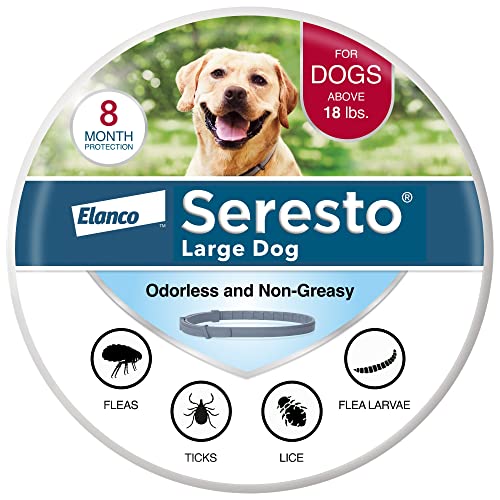
| Flea Collars | Provide long-term protection by releasing active ingredients over several months. | Seresto® |
| Flea Shampoos | Kill adult fleas on contact during bathing. Effective for immediate relief but not long-term. | Adams® Flea & Tick Shampoo |
For more detailed information on specific treatments, explore our guides on the best flea treatments for dogs with sensitive skin and oral flea treatments for dogs without a vet prescription.
Cleaning Your Home
Treating your dog alone will not solve a flea problem because most of the flea population lives in your home environment. To fully eliminate fleas, you must treat both your pet and your home.
Home Cleaning Checklist
- Vacuum daily — focus on carpets, rugs, upholstered furniture, and baseboards.
- Wash all bedding — use hot water and high heat drying.
- Steam clean carpets — the heat kills fleas in all life stages.
- Use flea sprays — flea and tick sprays for home use can help eliminate fleas in carpets and furniture.
- Treat your yard — focus on shady areas and places where your dog spends time.
Be Patient: Even with perfect treatment, it typically takes 30-90 days to fully eliminate fleas because the environmental stages must finish their life cycle. You may see occasional fleas during this time — it doesn't mean the treatment failed.
For comprehensive environmental control, you may consider professional pest control services for severe infestations.
Frequently Asked Questions
Yes. A single female flea can lay up to 50 eggs per day. These eggs fall off your dog into carpets, bedding, and furniture, quickly leading to a full infestation. Early action is essential.
Fleas are excellent at hiding. They move quickly, avoid light, and prefer warm areas like the tail base, neck, and groin. Adult fleas represent only about 5% of the total population; the rest are eggs, larvae, and pupae in your home.
Absolutely. Dogs with flea allergy dermatitis (FAD) can experience intense itching and skin inflammation from just one flea bite. The allergic reaction is to the flea's saliva, not the flea itself.
Yes. Veterinarians recommend starting flea prevention immediately when you find even one flea. Waiting gives fleas time to multiply and turn a minor issue into a major infestation.
Yes. Fleas can hitch a ride into your home on shoes, clothing, other pets, or through open windows. Indoor heating allows fleas to survive year-round, so year-round prevention is often recommended.
Even with perfect treatment, it typically takes 30 to 90 days to fully eliminate fleas. This is because the environmental stages (eggs, larvae, pupae) must complete their life cycle. You may see occasional fleas during this time — it doesn't mean the treatment failed.
Still Unsure What to Do?
Finding a single flea on your dog is a clear signal to act. The steps are simple: start a veterinarian-approved preventive, treat all pets, wash bedding, and vacuum thoroughly. If you're unsure which product to choose, our parasite prevention guide can help you compare options. For more severe cases or if you have questions, consult your veterinarian for personalized advice.