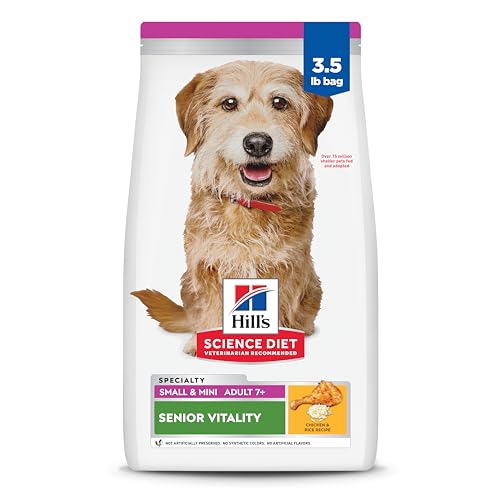
Senior Dog Diet: Complete Nutrition Guide for Older Dogs
Optimal feeding strategies, essential nutrients, and expert advice to keep your aging dog healthy, active, and happy through their golden years.
📖 What You'll Learn in This Guide
- 1. When Is a Dog “Senior”?
- 2. How Aging Changes Nutritional Needs
- 3. Key Nutrients for Senior Dogs
- 4. Choosing the Best Senior Dog Food
- 5. Feeding Schedule & Portion Control
- 6. Transitioning to a Senior Diet
- 7. Beneficial Supplements for Aging Dogs
- 8. Managing Health Conditions Through Diet
- 9. Weight Management & Hydration
- 10. Frequently Asked Questions
Your senior dog has been your loyal companion for years, and now their nutritional needs are changing. Feeding a balanced, age-appropriate diet is the single most powerful tool you have to support your dog’s joint health, immune system, cognitive function, and overall longevity. This guide will walk you through everything you need to know about the senior dog diet — from understanding metabolic shifts to selecting premium commercial foods and supplements.
🐾 When Is a Dog Considered a Senior?
Aging is not one‑size‑fits‑all. Small dog breeds often live longer than giant breeds. As a general guideline:
- Small breeds (under 20 lbs): Senior around 11–12 years.
- Medium breeds (20–50 lbs): Senior around 10 years.
- Large breeds (50–90 lbs): Senior around 8–9 years — see our large dog breeds guide for more details.
- Giant breeds (90+ lbs): Senior as early as 6–7 years.
💡 Proactive care matters: Regardless of age, schedule a veterinary wellness exam at least once a year. Senior dogs (7+ years) benefit from biannual checkups and bloodwork to catch age-related diseases early.
⚙️ How Aging Changes Nutritional Needs
Older dogs experience metabolic, dental, and organ function changes. Their energy requirements typically decrease by 15–20% due to reduced activity and a slower metabolism. However, protein requirements actually increase to prevent sarcopenia (muscle loss). Many owners mistakenly reduce protein — research shows senior dogs need high-quality protein to maintain muscle mass and immune function.
Key changes include:
- Lower calorie needs: Obesity is the #1 preventable health problem. Portion control becomes critical.
- Higher protein quality: Look for named meat (chicken, fish, turkey) as first ingredient.
- Digestibility matters: Senior dogs may have reduced enzyme production; easily digestible ingredients prevent gastrointestinal upset.
- Fiber & hydration: Increased fiber helps with constipation, and adequate moisture supports kidney function.
🥩 Key Nutrients for Senior Dogs
Glucosamine & Chondroitin
Natural compounds that support dog joint health, reduce inflammation, and slow cartilage degeneration. Essential for managing dog arthritis pain.
$20–$50/monthOmega‑3 Fatty Acids (EPA/DHA)
Anti‑inflammatory benefits for arthritis, kidney function, and cognitive decline. Found in fish oil, salmon, and flaxseed.
$15–$40/monthAntioxidants (Vitamins C, E, Beta‑carotene)
Fight oxidative stress, support immune system, and may slow cognitive dysfunction. Present in berries and leafy greens.
Included in quality senior foodsHigh‑quality protein
Chicken, turkey, fish, or egg — helps maintain lean muscle mass. Avoid cheap fillers and by‑product meals.
Varies by brand🏆 Choosing the Best Senior Dog Food
Look for products that meet AAFCO standards for “senior” or “adult maintenance”. Premium senior formulas contain:
- Named animal protein as first ingredient (e.g., “deboned chicken” rather than “poultry by‑product”).
- Controlled phosphorus and sodium levels to protect kidneys (especially important for dogs with early kidney disease).
- Added glucosamine, chondroitin, and omega‑3s for joint and coat health.
- Highly digestible carbohydrates like brown rice, barley, or sweet potatoes.
Don’t hesitate to compare dry dog food vs wet dog food. Wet food boosts hydration and is easier to chew, but dry kibble may help with dental health. Many owners mix both. For dogs with multiple health issues, prescription diets (renal, cardiac, or gastrointestinal) might be recommended by your vet. Also check our complete dog food guide for label reading tips.
⏰ Feeding Schedule & Portion Control
Senior dogs thrive on consistency. Two meals per day (morning and evening) helps regulate digestion and bathroom habits. Avoid free‑feeding, as it promotes obesity. Use a measuring cup to prevent overfeeding. Adjust portions based on body condition score — you should be able to feel ribs without a thick fat layer.
🐕 Pro tip: If your senior dog has dental issues or missing teeth, moisten kibble with warm water or switch to canned food. Always provide fresh, clean water — older dogs are prone to dehydration. See dog water intake guide for signs of dehydration.
🔄 How to Transition Your Dog to Senior Food
Abrupt diet changes cause vomiting or diarrhea. Follow this 7‑ to 10‑day schedule:
- Days 1–2: 25% new senior food + 75% current food.
- Days 3–4: 50% new + 50% current.
- Days 5–7: 75% new + 25% current.
- Day 8 onward: 100% new senior diet.
Monitor stools and energy levels. For sensitive dogs, extend to 14 days. Also if your dog takes medication for dog diabetes management or other conditions, consult your veterinarian before changing food.
💊 Beneficial Supplements for Aging Dogs
While high‑quality senior food covers basics, many older dogs benefit from targeted supplements. Always discuss with your vet before adding any new supplement.
Glucosamine + Chondroitin
Supports cartilage repair and reduces arthritis discomfort. Look for products with MSM for added anti‑inflammatory effect. $25–$60/month
Omega‑3 Fish Oil
Reduces kidney inflammation, improves coat, and supports cognitive health in senior dogs. $15–$35/month
Probiotics & Digestive Enzymes
Improve nutrient absorption and gut health. Especially beneficial for seniors with chronic loose stools. $20–$45/month
MCT Oil (Medium‑Chain Triglycerides)
Emerging research suggests MCT oil supports brain energy metabolism and may slow cognitive decline. $15–$30/month
Explore our full list of dog supplements and dog vitamins to choose the right formulation for your aging companion.
🩺 Managing Common Senior Health Conditions via Diet
Many age‑related diseases can be positively influenced by nutrition:
- Kidney disease: Reduced phosphorus, high‑quality protein (moderate amount), and added omega‑3s. Prescription renal diets are often necessary.
- Osteoarthritis / dog arthritis: Weight reduction (most effective), glucosamine, chondroitin, and anti‑inflammatory omega‑3s.
- Dental disease: Dental kibble or soft food for those with missing teeth; regular dog dental care at home.
- Heart disease: Low‑sodium diets, taurine and L‑carnitine supplementation (under veterinary guidance).
- Cognitive dysfunction (doggie dementia): Antioxidants, MCT oil, and omega‑3s may slow progression.
📌 If your senior dog shows sudden weight loss, increased thirst, bad breath, or mobility changes, schedule a vet visit. Dog health issues caught early respond better to dietary management.
⚖️ Weight Management & Hydration for Senior Dogs
Obesity is the #1 enemy of senior dogs. Extra pounds accelerate arthritis, reduce lifespan, and strain the heart and lungs. Work with your vet to determine ideal body weight. To help your dog safely lose weight:
- Measure meals precisely with a kitchen scale or measuring cup.
- Replace high‑calorie treats with green beans, carrots, or ice cubes.
- Increase low‑impact exercise: gentle walks, swimming, or dog exercise needs adapted for seniors.
- Consider a weight management senior formula (reduced fat, increased fiber).
Hydration is equally important. Senior dogs often drink less, increasing risk of kidney disease and urinary issues. Add water or broth to kibble, provide multiple water stations, and consider a pet water fountain. Read more about how much water dogs need.
❓ Frequently Asked Questions About Senior Dog Diet
Small breeds (under 20 lbs) at 11-12 years, medium breeds (20-50 lbs) at 10 years, large breeds (50-90 lbs) at 8-9 years, and giant breeds (90+ lbs) as early as 6-7 years. Always monitor your individual dog's health signs rather than relying solely on age.
Modern veterinary nutrition supports moderate to high protein (18-25% on a dry matter basis) from high-quality sources. Older dogs need protein to maintain muscle mass. Avoid low‑protein diets unless specifically recommended for advanced kidney disease.
Daily glucosamine/chondroitin and omega‑3 fatty acids are generally safe and beneficial for most seniors. However, always consult your veterinarian before starting new supplements, because some interact with medications or are contraindicated in certain diseases (e.g., fish oil with bleeding disorders).
Twice daily (every 12 hours) is ideal for most seniors. Some dogs with gastrointestinal sensitivities or metabolic conditions do better with three smaller meals. Consistency is key.
Raw diets carry bacterial risks for immunocompromised senior dogs. If you choose to feed raw, consult a veterinary nutritionist to ensure balanced recipes and follow strict hygiene. Many seniors do better with gently cooked or high-quality commercial senior diets. See raw diet benefits and risks.
🐕 Your senior dog gave you years of loyalty. Now give them the nutrition they deserve. By implementing the strategies in this senior dog diet guide — high‑quality protein, joint supplements, weight control, and regular vet checks — you can add years of vitality to your dog’s life. Browse the recommended products below to find the best food and supplements for your aging companion.