Dog Brushes: The Complete Guide to Choosing the Right Brush
Discover how the right dog brush transforms grooming from a chore into a bonding ritual. Learn which brush type suits your dog's coat, how to brush correctly, and how to keep your home free of loose fur.
Every dog owner eventually faces the same question: which brush should I actually buy? Walk into any pet store or scroll through an online marketplace, and you will find dozens of brushes with different pins, bristles, handles, and claims. The truth is that no single brush works for every dog. The right choice depends on your dog's coat type, shedding habits, skin sensitivity, and tolerance for grooming.
This guide cuts through the marketing noise. You will learn what each type of dog brush actually does, which coats it suits best, and how to build a grooming routine that keeps your dog comfortable and your home cleaner. Whether you share your life with a short-coated Beagle or a heavily coated Husky, the principles below will help you choose with confidence.
Why Brushing Matters More Than You Think
Brushing is often treated as a cosmetic task, but its benefits go far beyond appearance. Regular brushing removes loose and dead hair before it mats or ends up on your floors, distributes natural oils across the coat, and stimulates blood circulation in the skin. It also gives you a chance to run your hands over your dog's body and notice lumps, wounds, rashes, or parasites early, when they are easiest to treat.
For double-coated breeds, brushing is essential for healthy coat turnover. When dead undercoat is not removed, it can trap moisture against the skin and contribute to hot spots and skin infections. For long-coated breeds, regular brushing prevents painful mats that pull on the skin and can hide infections underneath. In short, brushing is preventive health care disguised as grooming.
Brushing Benefits at a Glance:
• Removes loose hair before it mats or sheds onto furniture
• Distributes natural oils for a healthier, shinier coat
• Stimulates skin circulation and supports healthy hair growth
• Provides an early warning system for lumps, rashes, and parasites
• Strengthens the bond between you and your dog through calm, gentle handling
If you are building a complete grooming kit, a brush is only one piece of the puzzle. Pair it with nail clippers, a quality dog shampoo, and a dog dryer for bath days. Owners who prefer professional help can also explore dog grooming services or find grooming near me for routine appointments.
Types of Dog Brushes and What They Do
Dog brushes fall into a handful of categories, each designed for a specific job. Understanding these categories is the fastest way to choose the right tool for your dog.
Slicker Brush
Fine, closely spaced wire pins set at a slight angle. The workhorse of dog grooming, ideal for removing tangles, loose hair, and debris from medium to long coats. Also used to fluff and shape the coat. Choose one with protective pin tips to avoid scratching sensitive skin.
Essential / Mid-rangeBristle Brush
Natural boar bristle or synthetic bristles that smooth the coat's surface and distribute natural oils. Best as a finishing brush for short, smooth coats. Does not reach the undercoat, so it is not a substitute for a de-shedding tool on double-coated breeds.
Entry-level / FinishingPin Brush
Sturdy metal pins with rounded tips set into a cushioned pad. Gentle on the skin and excellent for long, silky coats such as those of Setters and Spaniels. Helps detangle without pulling and is a good choice for dogs with sensitive skin.
Mid-range / GentleUndercoat Rake
Rows of short metal teeth designed to reach beneath the topcoat and pull out loose undercoat. The most effective tool for double-coated breeds during shedding season. Use with light pressure and never force through mats.
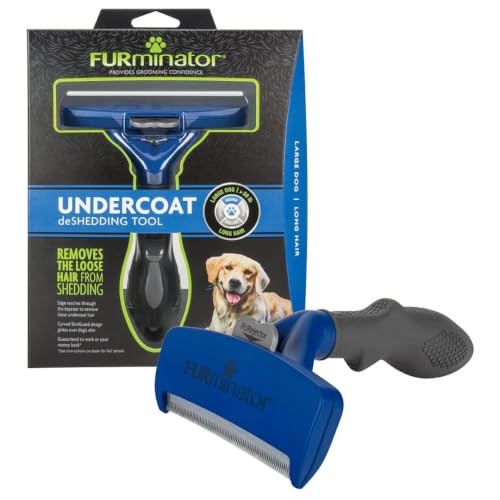
Mid-range / De-sheddingDe-Shedding Tool
A fine-toothed blade or comb that removes a large volume of loose undercoat quickly. Highly effective on thick-coated breeds, but must be used carefully to avoid scraping the skin. Not suitable for long, silky coats or dogs with sensitive skin.
Premium / Heavy-dutyRubber Curry Brush
Flexible rubber nubs that massage the skin while lifting loose hair. Excellent for short-coated breeds and for bath time, when it helps work shampoo through the coat. Also useful for anxious dogs who dislike metal pins.
Budget-friendly / Bath-timeComb
A metal comb with coarse and fine teeth for checking for tangles and finishing the coat. Particularly useful after a slicker brush to verify that no mats remain, and for facial hair on long-coated breeds.
Entry-level / DetailDematting Tool
A specialized tool with curved blades that breaks up severe mats. Should be used sparingly and with great care, as improper use can cut the coat or injure the skin. For severe matting, a professional groomer is often the safer choice.
Premium / SpecialistA complete grooming toolset usually includes at least two brushes: one for detangling or de-shedding and one for finishing. If you are new to grooming, start with a slicker brush and a metal comb, then add specialized tools as you learn your dog's coat.
Matching the Brush to Your Dog's Coat Type
The single most important factor in choosing a brush is your dog's coat type. Buying a heavy de-shedding blade for a short-coated Beagle, or a soft bristle brush for a Husky in full blow, will leave you frustrated and your dog uncomfortable.
Short and Smooth Coats
Breeds like Beagles, Boxers, Dalmatians, and Bulldogs have short coats that lie close to the skin. These dogs still shed, but the hair is short and stiff. A rubber curry brush or a firm bristle brush is ideal for lifting loose hair and stimulating the skin. Use a slicker brush occasionally for the legs and tail, where hair is slightly longer.
Double Coats
Double-coated breeds such as Huskies, Golden Retrievers, and German Shepherds have a soft undercoat beneath a weather-resistant topcoat. An undercoat rake is the most effective tool for removing dead undercoat, especially during seasonal shedding. Follow with a slicker brush or pin brush to smooth the topcoat. Never shave a double coat, as it can permanently damage the coat's ability to regulate temperature.
Long and Silky Coats
Breeds like Setters, Spaniels, and Yorkies have long, fine hair prone to tangling. A pin brush with rounded tips is gentle and effective, followed by a metal comb to check for hidden mats. Brush daily if possible, focusing on the ears, tail, and underbelly where tangles form first. A detangling spray can help loosen minor knots.
Curly and Wool Coats
Poodles, Bichons, and Doodles have continuously growing curly coats that mat easily. A slicker brush is essential for daily maintenance, and a metal comb verifies that the coat is mat-free all the way to the skin. Professional grooming every few weeks is usually part of the routine. Owners of mixed breeds like the Bernedoodle should expect significant brushing commitment.
Pro Tip: If you are unsure about your dog's coat type, run your fingers through the coat and check the skin. Hair that sheds in small tufts with a soft underlayer is likely a double coat. Hair that grows continuously and forms tight curls is a wool coat. A professional groomer can also assess the coat and recommend tools.
Dog Brush Comparison Table
Use this table as a quick reference when shopping for dog brushes. It compares the most common brush types by best use, coat suitability, and ease of use.
| Brush Type | Best For | Coat Types | Skill Level |
|---|---|---|---|
| Slicker Brush | Detangling, removing loose hair, fluffing | Medium, long, curly | Beginner-friendly |
| Bristle Brush | Smoothing, distributing oils, finishing | Short, smooth | Beginner-friendly |
| Pin Brush | Gentle detangling, long coats | Long, silky | Beginner-friendly |
| Undercoat Rake | Removing dead undercoat, shedding management | Double coats | Intermediate |
| De-Shedding Tool | Heavy shedding removal | Thick double coats | Intermediate to advanced |
| Rubber Curry Brush | Massaging, bath-time, lifting short hair | Short, smooth | Beginner-friendly |
| Metal Comb | Checking for mats, finishing detail | All coat types | Beginner-friendly |
| Dematting Tool | Breaking up severe mats | Long, curly, wool | Advanced |
For a broader selection of grooming tools beyond brushes, see our dog grooming tools guide. If your dog has sensitive skin or allergies, a gentle brush combined with a soothing dog shampoo can make grooming far more comfortable.
How to Brush Your Dog Correctly
Even the best brush will not help if the technique is wrong. Rough brushing pulls on the skin, creates brush burn, and teaches your dog to dread grooming. Follow these steps for a calm, effective session.
- Start calm. Choose a time when your dog is relaxed, after a walk or a meal. Set up in a comfortable, well-lit area and have treats within reach.
- Check the coat first. Run your hands over your dog's body to find mats, lumps, or tender spots. If you find a severe mat, do not pull on it. Work it loose gently or consult a groomer.
- Brush in the direction of hair growth. Use long, gentle strokes that follow the natural lay of the coat. For double coats, brush with the grain first, then use an undercoat rake in the direction of growth.
- Work in sections. Divide the coat into sections, starting at the rear and moving forward. Brush the legs, tail, and underbelly carefully, as these areas are more sensitive.
- Be gentle around sensitive areas. Avoid pulling on the ears, face, and paws. Use a soft brush or comb for facial hair and a damp cloth for the face.
- Reward calm behavior. Pause frequently to give treats and praise. Keep early sessions short, especially for puppies and dogs new to grooming.
- Finish with a comb check. Run a metal comb through the coat to confirm that no tangles remain. If the comb snags, return to that area with the appropriate brush.
How Often Should You Brush?
• Short-coated dogs: once or twice weekly
• Double-coated dogs: two to three times weekly, daily during shedding season
• Long-coated dogs: daily, or at minimum every other day
• Curly-coated dogs: daily to prevent mats
• Puppies: short, positive sessions several times a week to build tolerance
Managing Shedding Season
Most double-coated dogs shed heavily twice a year, in spring and autumn, as they transition between winter and summer coats. During these periods, brushing becomes a daily necessity rather than a weekly routine. An undercoat rake followed by a slicker brush removes far more loose fur than brushing alone.
Bathing during shedding season can help loosen dead coat, but use a dog-safe shampoo and dry the coat thoroughly afterward. A dog dryer is especially useful for double-coated breeds, as it blows loose undercoat away from the skin and speeds drying. For dogs with sensitive skin, pair gentle brushing with skin-friendly products from our dog health products collection.
If shedding seems excessive or is accompanied by bald patches, itching, or skin irritation, it may signal an underlying health issue. Consult your veterinarian to rule out allergies, parasites, or hormonal conditions.
Cleaning and Maintaining Your Dog Brushes
Dirty brushes can spread bacteria and debris back onto your dog's coat, so cleaning is part of the routine. After each session, remove loose hair from the pins or bristles with your fingers or a comb. Every few weeks, wash the brush head in warm soapy water, rinse thoroughly, and let it air dry completely before the next use.
- Remove hair after every use: This prevents compacted hair from reducing the brush's effectiveness and keeps the tool hygienic.
- Wash regularly: Use mild soap and warm water, and avoid soaking wooden handles, which can warp and crack.
- Dry completely: Moisture trapped in the brush pad or bristles can encourage mold and bacteria growth.
- Inspect for damage: Replace brushes with bent, rusted, or missing pins, as damaged tools can scratch or pull the skin.
- Store properly: Keep brushes in a clean, dry place away from dust and pet hair.
Common Brushing Mistakes to Avoid
- Using the wrong brush for the coat. A bristle brush will not manage a Husky's undercoat, and a de-shedding blade can damage a Poodle's curly coat. Match the tool to the coat type.
- Brushing too hard. Pressing hard with metal pins causes brush burn, a painful skin irritation that can lead to infection. Use light, gentle strokes.
- Pulling through mats. Yanking on a mat hurts your dog and tightens the tangle. Work it loose gradually or seek professional help for severe mats.
- Brushing only the topcoat. Especially on double-coated dogs, the loose undercoat is where the problems hide. Use a rake to reach beneath the topcoat.
- Skipping the comb check. A slicker brush can smooth the surface while leaving mats underneath. A metal comb confirms whether the coat is truly tangle-free.
- Brushing a wet, matted coat. Water tightens mats and makes them harder to remove. Brush before bathing, and brush again only when the coat is fully dry.
- Ignoring your dog's comfort. Grooming should be calm and positive. If your dog is fearful or painful, stop and consult a professional rather than forcing the session.
To build a complete care routine around grooming, see our guides to dog beds for a comfortable resting spot after grooming, dog toothbrushes for dental care, and grooming tools for the full toolkit. Dogs with sensitive skin may also benefit from our article on flea and tick treatment for sensitive skin.
Frequently Asked Questions
The Bottom Line
A good dog brush is one of the most valuable grooming investments you can make. Start with a slicker brush and a metal comb, then add an undercoat rake or de-shedding tool if your dog has a double coat. Brush regularly, use gentle technique, and keep your tools clean. Your dog will be more comfortable, your home will be cleaner, and grooming will become a calm bonding ritual rather than a struggle.