Dog Liver Disease: Causes, Symptoms & Treatment Guide
A complete, evidence-based resource to help you recognize, manage, and treat liver disease in dogs — from early warning signs to long-term care.
The liver is one of your dog's most vital organs — it filters toxins, produces essential proteins, stores energy, and aids digestion. When the liver becomes diseased, the consequences can be severe and even life-threatening. Yet, with early detection and proper management, many dogs with liver disease live comfortable, happy lives for years.
This guide walks you through everything you need to know about canine liver disease: what causes it, how to recognize the earliest symptoms, which diagnostic tests your vet will use, and the most effective treatments available today. Whether your dog has just been diagnosed or you're concerned about prevention, this comprehensive resource will help you make informed decisions.
Understanding the Canine Liver
The liver performs over 500 vital functions. It metabolizes nutrients, detoxifies harmful substances, produces bile for fat digestion, synthesizes blood-clotting proteins, and stores vitamins and minerals. Because the liver has such a large reserve capacity, dogs often don't show obvious signs until 70-80% of liver function is lost — which is why knowing subtle early symptoms is critical.
Types of Liver Disease in Dogs
- Acute liver disease: Sudden onset, often from toxin ingestion or infection. Can be reversible with prompt treatment.
- Chronic hepatitis: Long-term inflammation leading to scarring (cirrhosis). Breeds like Bedlington Terriers, Dobermans, and Cocker Spaniels are predisposed.
- Portosystemic shunt (PSS): Congenital abnormal blood vessel that bypasses the liver. Common in small breeds like Yorkies and Shih Tzus.
- Copper storage disease: Genetic inability to excrete copper, causing toxic buildup. Bedlington Terriers, Westies, and Labradors are at risk.
- Liver tumors: Benign or malignant growths (e.g., hepatocellular carcinoma). Older dogs are more susceptible.
- Leptospirosis: Bacterial infection that attacks the liver and kidneys. Preventable by vaccination.
Did You Know? The liver is the only organ that can regenerate itself after injury. If a dog survives an acute liver insult and receives supportive care, healthy tissue can regrow. However, chronic scarring (cirrhosis) is irreversible.
Some breeds are genetically predisposed to specific liver conditions. If you own a Terrier breed or a large breed like a Labrador, ask your veterinarian about screening tests. Responsible dog breeders perform genetic testing to reduce the incidence of hereditary liver diseases.
Common Causes of Liver Disease in Dogs
Understanding what triggers liver disease can help you prevent it. Here are the most frequent causes veterinarians see:
- Toxin ingestion: Many household substances damage the liver. Common culprits include xylitol (artificial sweetener), certain mushrooms, aflatoxins (moldy food), blue-green algae, and human medications like acetaminophen or ibuprofen. Even small amounts can cause acute liver failure.
- Infectious diseases: Leptospirosis (bacterial), canine adenovirus type 1 (infectious canine hepatitis), and chronic bacterial infections can inflame liver tissue. Vaccination against leptospirosis and adenovirus is highly effective.
- Drug-induced injury: Some prescription medications, anticonvulsants (phenobarbital), and long-term NSAID use can cause liver damage. Regular bloodwork monitoring is essential for dogs on chronic medications.
- Metabolic disorders: Endocrine diseases like diabetes mellitus and Cushing's syndrome (hyperadrenocorticism) can secondarily affect liver function. Obesity and poor weight management increase the risk of hepatic lipidosis (fatty liver).
- Genetic predisposition: As mentioned, many purebred dogs inherit conditions like copper storage disease or portosystemic shunts. Responsible breeder selection and genetic testing can reduce these risks.
- Dietary factors: Diets extremely high in copper (often from organ meats or certain commercial foods) can contribute to copper accumulation in susceptible breeds. Conversely, malnutrition and sudden diet changes can also stress the liver.
- Cancer: Primary liver tumors or metastases from other sites (e.g., spleen, pancreas) can impair liver function. Older dogs are at higher risk.
Prevention Tip: Keep all medications, cleaning products, and foods containing xylitol out of your dog's reach. Never give human medication without veterinary guidance. Feed a balanced high-quality dog food and avoid moldy or spoiled food. Regular wellness exams with annual bloodwork can catch liver enzyme elevations before clinical signs appear.
Symptoms & Warning Signs of Liver Disease
Because the liver has such a large functional reserve, early-stage liver disease may produce no obvious symptoms. As the disease progresses, you may notice:
Early Signs (Subtle)
- Decreased appetite or picky eating
- Lethargy or sleeping more than usual
- Weight loss despite normal eating
- Increased thirst and urination
- Occasional vomiting or soft stools
- Bad breath (halitosis)
Advanced Signs (Urgent)
- Jaundice: Yellowing of the eyes, gums, or skin
- Fluid buildup in abdomen (ascites): Swollen, pot-bellied appearance
- Neurological signs (hepatic encephalopathy): Disorientation, circling, head pressing, seizures, or behavioral changes
- Dark orange or brown urine
- Pale or gray stool
- Excessive bleeding or bruising (due to clotting factor deficiency)
Emergency warning signs: If your dog shows jaundice, seizures, severe lethargy, or abdominal distension, seek emergency veterinary care immediately. Hepatic encephalopathy can progress rapidly and be fatal without treatment.
If you notice any combination of these symptoms, schedule a veterinary appointment promptly. Early intervention dramatically improves outcomes. Many of these signs overlap with other conditions like kidney disease or digestive disorders, so a thorough diagnostic workup is essential.
How Veterinarians Diagnose Liver Disease
Accurate diagnosis requires a combination of clinical exams, blood tests, and imaging. Your vet will typically follow this process:
- Physical examination & history: Your vet will palpate the abdomen, check for jaundice, and ask about toxin exposure, medications, diet, and breed history.
- Blood work (chemistry panel & CBC): Elevated liver enzymes (ALT, ALP, AST, GGT) indicate liver cell damage. Bilirubin levels measure jaundice severity. Low albumin or glucose, or high ammonia, suggest significant loss of liver function.
- Bile acids test: Measures liver function more specifically. Blood is taken before and after a meal. Abnormal results often indicate a portosystemic shunt or chronic hepatitis.
- Urinalysis: Checks for bilirubin (normally absent in dog urine) and crystals that may indicate copper storage disease.
- Imaging (X-rays & ultrasound): Ultrasound is the gold standard for evaluating liver size, texture, masses, and detecting shunts or gallbladder issues.
- Liver biopsy: The definitive diagnosis for many liver diseases. A small tissue sample is taken via ultrasound-guided needle or surgery. Biopsy reveals inflammation, fibrosis, copper levels, or cancer cells.
- Additional tests: Coagulation profile (clotting ability), ammonia level (for hepatic encephalopathy), and specific tests for leptospirosis or infectious hepatitis.
For breed-specific risks (e.g., Bedlington Terriers), DNA testing for copper storage disease is available through veterinary genetic labs. Ask your breeder or vet about genetic screening if you have a predisposed breed.
Treatment Options for Dogs with Liver Disease
Treatment depends on the underlying cause and severity. Options range from outpatient medical management to emergency hospitalization and surgery.
Medical Management (Most Cases)
- Supportive care: IV fluids for dehydration, anti-nausea medications (e.g., Cerenia), and vitamin K1 if bleeding risk is high.
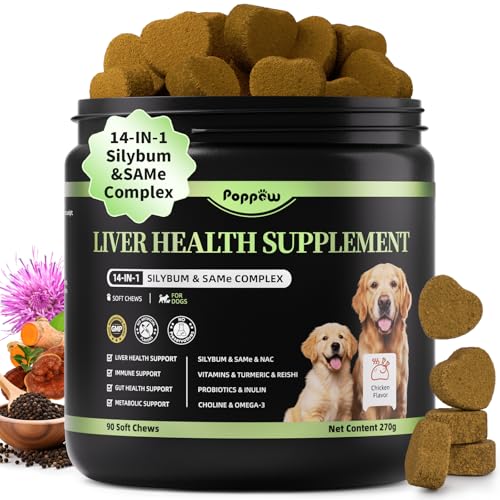
- Liver protectants & antioxidants: SAMe (S-adenosylmethionine), silymarin (milk thistle), vitamin E, and N-acetylcysteine help reduce oxidative damage and support regeneration. Always use veterinary-formulated supplements.
- Antibiotics: For leptospirosis (doxycycline) or secondary bacterial infections. Metronidazole is also used to reduce gut bacteria that produce ammonia.
- Lactulose: An oral syrup that lowers blood ammonia levels and treats hepatic encephalopathy. Often combined with a low-protein diet.
- Immunosuppressive drugs: For chronic hepatitis (e.g., prednisone or azathioprine) to reduce inflammation. Requires close monitoring.
- Copper chelation therapy: For copper storage disease, drugs like D-penicillamine help remove excess copper from the liver.
Surgical & Interventional Options
- Portosystemic shunt ligation: Surgery to close the abnormal vessel and restore normal blood flow to the liver. Success rates are high but require an experienced surgeon.
- Liver tumor removal (lobectomy): If a single tumor is present, surgical removal can be curative for benign growths and some cancers.
- Gallbladder surgery: For mucoceles or obstruction that cause secondary liver damage.
Cost considerations: Diagnosing and treating liver disease ranges from $500–$1,500 for basic workup and medication to $3,000–$8,000+ for surgery or intensive hospitalization. Pet insurance can significantly offset these costs if purchased before diagnosis.
Nutrition & Dietary Management for Liver Disease
Diet is a cornerstone of liver disease management. The right nutrition reduces the liver's workload, provides essential nutrients for regeneration, and prevents complications like hepatic encephalopathy.
General Dietary Principles
- High-quality, easily digestible protein: Moderate protein restriction (not severe) helps reduce ammonia production. Use sources like cottage cheese, eggs, chicken, or veterinary liver diets.
- Complex carbohydrates: Rice, oatmeal, and pasta provide energy without taxing the liver. Avoid simple sugars.
- Moderate fat: Some fat is needed for energy, but excessive fat can worsen hepatic lipidosis. Your vet will recommend the right balance.
- Added antioxidants & vitamins: Vitamin E, vitamin C, and selenium support liver health. Zinc may be added for copper storage disease.
- Low copper content: Critical for breeds with copper storage disease. Avoid liver, shellfish, nuts, and commercial foods with high copper levels.
- Water-soluble vitamin supplementation: B vitamins (especially B12 and folate) are often depleted in liver disease.
Many commercial senior diets or therapeutic liver diets (e.g., Hill's l/d, Royal Canin Hepatic) are formulated to meet these needs. Your veterinarian may also prescribe a liver support supplement containing SAMe and milk thistle.
Foods to avoid: Never feed your dog raw or undercooked meat (bacterial risk), excessive organ meats (high copper), fatty table scraps (pancreatitis/lipidosis), or any food containing xylitol, grapes/raisins, or mold. Also avoid homemade diets unless formulated by a veterinary nutritionist.
Feeding Schedule & Tips
Feed small, frequent meals (3-4 times daily) to minimize metabolic demands and prevent hypoglycemia. If your dog has hepatic encephalopathy, your vet may recommend a protein-restricted diet combined with lactulose. Always provide fresh, clean water, but monitor for increased thirst (a potential symptom).
How to Prevent Liver Disease in Dogs
While not all liver disease is preventable, these proactive steps dramatically reduce your dog's risk:
- Vaccinate against preventable diseases: Ensure your dog receives core vaccines including leptospirosis and canine adenovirus. Follow the recommended vaccination schedule.
- Prevent toxin exposure: Puppy-proof your home against xylitol, medications, cleaning products, and toxic plants. Never feed your dog grapes, raisins, or foods containing xylitol.
- Maintain a healthy weight: Obesity is a risk factor for fatty liver disease (hepatic lipidosis). Monitor body condition and follow weight management guidelines.
- Use medications responsibly: Never give human NSAIDs (ibuprofen, naproxen) to dogs. Use prescription medications only under veterinary supervision, and monitor liver values for dogs on long-term anticonvulsants or steroids.
- Provide routine veterinary care: Annual wellness exams with bloodwork can detect elevated liver enzymes early, even before clinical signs appear. Senior dogs benefit from twice-yearly checkups.
- Choose a responsible breeder: If buying a purebred dog, select breeders who screen for hereditary liver diseases (e.g., copper storage, shunts). Ask for proof of genetic testing and health clearances.
- Practice good dental hygiene: Periodontal disease allows bacteria to enter the bloodstream and affect the liver. Daily teeth brushing and professional cleanings reduce this risk.
- Avoid moldy food and standing water: Aflatoxins in moldy kibble and blue-green algae in stagnant water are potent liver toxins. Store dog food in a cool, dry place and use airtight containers.
Prognosis & Long-Term Management
The outlook for dogs with liver disease varies widely based on the cause, stage at diagnosis, and your commitment to treatment. Here's what you can expect:
- Acute toxin ingestion: With rapid decontamination (induced vomiting, activated charcoal) and intensive supportive care, many dogs recover fully within days to weeks. However, some toxins (e.g., xylitol in large amounts) can cause irreversible liver failure.
- Portosystemic shunt: Surgical correction has an excellent prognosis (85-95% success). Medically managed shunts have a guarded long-term outlook but can still offer good quality of life.
- Chronic hepatitis: Lifelong management with medications, diet, and regular monitoring. Many dogs live 2-4 years after diagnosis, and some much longer with aggressive treatment.
- Copper storage disease: Excellent prognosis with lifelong copper-restricted diet and chelation therapy. Regular monitoring of liver enzymes and copper levels is essential.
- Liver tumors: Benign tumors or single lobar malignancies that are surgically removed have a good prognosis. Diffuse or metastatic cancer carries a poor prognosis.
Long-term care checklist: Regular vet rechecks every 3-6 months with bloodwork, consistent medication and supplement administration, strict adherence to prescribed diet, monitoring for signs of encephalopathy (behavior changes, disorientation), and keeping a daily log of appetite, energy, and weight.
Frequently Asked Questions About Dog Liver Disease
Key takeaway: Liver disease in dogs is often manageable — especially when caught early. Watch for subtle signs like decreased appetite, lethargy, and increased thirst. Work closely with your veterinarian to establish a diagnosis, treatment plan, and long-term management strategy. With the right care, many dogs enjoy years of quality life after a liver disease diagnosis.
If you're looking for liver support supplements, prescription diets, or other products to help manage your dog's condition, check out our carefully selected recommendations below. Every purchase through our affiliate links helps support this free content — at no extra cost to you.