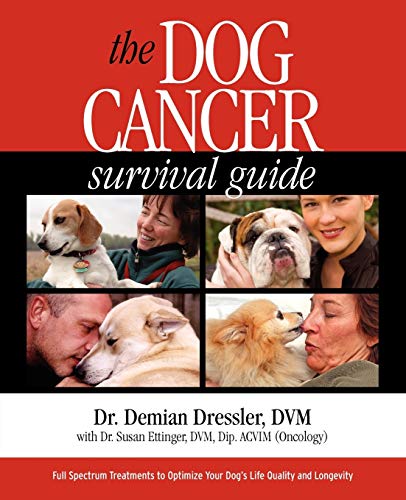
Complete Dog Nutrition Guide
Everything you need to know about feeding your dog — from understanding food labels to choosing the right diet for every life stage. Make informed decisions about your dog's nutrition and health.
Your dog's nutrition is the single most important factor in their overall health and longevity. Just as you wouldn't fuel a high-performance car with low-quality gasoline, you shouldn't feed your dog poor-quality food. The right diet supports their immune system, maintains healthy weight, promotes shiny coats, and provides energy for a happy, active life. In this guide, we'll break down everything you need to know about dog nutrition so you can make the best choices for your canine companion.
Nutrition Essentials: What Dogs Need
Dogs are omnivores with specific nutritional requirements. Unlike cats, they can digest carbohydrates and benefit from plant-based nutrients. However, protein should always be the foundation of their diet. Here are the six essential nutrients every dog needs:
- Proteins: Dogs need high-quality animal proteins for muscle maintenance, tissue repair, and immune function. Look for named protein sources like "chicken," "salmon," or "beef" as the first ingredient. Amino acids, particularly taurine and carnitine, are crucial for heart and muscle health.
- Fats: Essential fatty acids provide energy, support cell function, and promote healthy skin and coat. Omega-3 and omega-6 fatty acids are particularly important. Good sources include chicken fat, fish oil, and flaxseed.
- Carbohydrates: Provide energy and fiber for digestive health. Quality sources include whole grains like brown rice and oats, as well as vegetables and fruits. Carbs also help with stool quality and provide prebiotic benefits.
- Vitamins: Essential for various bodily functions. Vitamin A supports vision and immune function; B-vitamins aid in metabolism; Vitamin D helps calcium absorption; and Vitamin E works as an antioxidant.
- Minerals: Calcium and phosphorus build strong bones and teeth. Other minerals like magnesium, potassium, and zinc support nerve function, muscle contraction, and enzyme activity. Trace minerals like selenium and copper are vital in small amounts.
- Water: The most critical nutrient. Dogs should always have access to clean, fresh water. Dehydration can lead to serious health problems within days. A general rule is 1 ounce of water per pound of body weight daily.
The AAFCO Standard: The Association of American Feed Control Officials (AAFCO) sets nutritional standards for pet food. When choosing food, look for the AAFCO statement on the label confirming the food is "complete and balanced" for your dog's life stage. This ensures the food meets minimum nutritional requirements.
Types of Dog Food: Which Is Right for Your Dog?
Today's market offers more dog food options than ever before. Each type has its advantages and disadvantages, and the best choice depends on your dog's needs, your budget, and your lifestyle. Here's a breakdown of the main types:
Dry Kibble
Kibble is the most popular and convenient option for dog owners. It's cost-effective, has a long shelf life, and is easy to measure and store. Quality dry dog food can provide complete nutrition and even help reduce tartar buildup through mechanical chewing action.
Pros: Affordable, convenient, promotes dental health, easy to portion control
Cons: Lower moisture content (around 10%), may contain more carbohydrates than other types
Price: $30–$80 per month
Wet Canned Food
Wet dog food is highly palatable and provides essential moisture. It's an excellent choice for dogs with dental issues or those who are picky eaters. The higher moisture content (around 75-80%) helps keep dogs hydrated.
Pros: High moisture content, palatable, good for picky eaters, often higher protein
Cons: More expensive per calorie, less shelf life after opening, not as good for dental health
Price: $60–$150 per month
Raw Food Diet
Raw feeding mimics a dog's ancestral diet, consisting of raw meat, bones, and organs. Proponents report benefits like improved coat condition, cleaner teeth, and higher energy levels. However, it requires careful preparation and carries bacterial risks. Consider raw dog food only after thorough research and vet consultation.
Pros: Natural diet, potential health benefits, no artificial additives
Cons: Expensive, bacterial contamination risk, requires proper handling and storage, not suitable for all dogs
Price: $100–$250 per month
Fresh and Home-Cooked
Fresh delivery services and home-cooked diets offer human-grade ingredients without preservatives. These options are ideal for dogs with allergies or specific health conditions. Always consult a veterinary nutritionist before starting a fresh dog food diet to ensure nutritional balance.
Pros: Human-grade ingredients, customizable, no preservatives, excellent for picky eaters
Cons: Most expensive, time-intensive, requires refrigeration, may lack certain nutrients without proper formulation
Price: $150–$400 per month
How to Read Dog Food Labels Like a Pro
Dog food labels can be confusing and sometimes misleading. Understanding what you're looking at helps you make informed decisions about what goes into your dog's bowl. Here's a breakdown of key elements to examine:
- Ingredient List (Order Matters): Ingredients are listed by weight. Look for a named animal protein (chicken, beef, salmon) as the first ingredient. Avoid generic terms like "meat meal" or "animal by-products." The first 3-5 ingredients should be high-quality protein sources and whole foods.
- Guaranteed Analysis: Shows minimum protein and fat levels, and maximum fiber and moisture. Remember, these are minimums for protein and maximums for fiber. The actual protein content should be much higher than the minimum listed. Look for protein levels over 25% for active dogs and over 30% for puppies.
- AAFCO Statement: Must state the food is "complete and balanced" and specify the life stage (growth, adult maintenance, or all life stages). If this statement is missing, the food does not meet basic nutritional standards.
- Calorie Content: Measured in kcal/kg and kcal/cup. This helps you compare calorie density between different foods and calculate appropriate portions. Watch for this - some premium foods are more calorie-dense, meaning you'll feed less volume.
- Nutritional Adequacy Statement: This statement tells you how the food was tested. "Feeding trials" is preferred over "formulated to meet" because it means the food was actually tested on dogs.
- Manufacturer Information: Know who makes the food. Does the company have a good reputation? Do they conduct research? Brands like Royal Canin, Hill's, and Purina have extensive veterinary research backing their formulas.
Pro Tip: Don't be fooled by marketing terms like "premium," "gourmet," or "natural." These aren't regulated. Focus on the ingredient list and nutritional analysis. The most expensive food isn't always the best, and the cheapest is rarely the worst either. What matters is the nutritional content and how your dog responds to it.
Nutrition by Life Stage
Your dog's nutritional needs change dramatically throughout their life. Feeding the right diet for their current life stage is essential for proper development and maintenance of health. This is why puppy food, adult food, and senior food exist as distinct categories.
| Life Stage | Age Range | Key Nutritional Needs | Recommended Food Type | Feeding Frequency |
|---|---|---|---|---|
| Puppy | 0-12 months (up to 24 months for large breeds) | High protein (28-32%), high fat (15-20%), DHA for brain development, calcium & phosphorus for bone growth | Puppy-specific food or all-life-stages food with AAFCO growth guarantee | 3-4 times daily until 6 months, then 2-3 times daily |
| Adult | 1-7 years (varies by breed size) | Balanced protein (22-28%), moderate fat (10-15%), focus on maintenance and energy balance | Adult maintenance food appropriate for their activity level | 2 times daily (morning and evening) |
| Senior | 7+ years (5+ for giant breeds) | Lower calories to prevent weight gain, joint supplements (glucosamine, chondroitin), enhanced fiber for digestion, antioxidants for cognitive function | Senior-specific food or food formulated for "mature" dogs | 2 times daily, possibly smaller portions to maintain weight |
| Pregnant/Nursing | During pregnancy and lactation | Increased calories, higher protein and fat, additional calcium and phosphorus, DHA for fetal development | Puppy food (higher calorie and nutrient density) or performance diet | 3-4 times daily during peak lactation, free-choice may be needed |
| Working/Active | Varies by job (working dogs, agility, hunting) | High protein (28-30%), high fat (15-20%), increased calories for energy, additional electrolytes for endurance | Performance or high-energy diets | 2 times daily, possibly before and after work |
Feeding Schedules & Portion Control
Proper portion control and a consistent feeding schedule are crucial for maintaining your dog's health. Overfeeding is the number one cause of obesity in dogs, while underfeeding can lead to malnutrition and health problems. Here are evidence-based guidelines:
How Much to Feed
- Adult dogs (medium activity): 25-30 calories per pound of body weight per day. So a 50-pound dog needs about 1,250-1,500 calories daily.
- Active/working dogs: 30-40 calories per pound, sometimes more for extreme work like sled dogs or military dogs.
- Less active/senior dogs: 20-25 calories per pound to prevent weight gain and muscle loss.
- Puppies: Need about 2-3 times the calories of adult dogs of similar weight, but in multiple smaller meals. Growth should be steady and controlled, not rapid.
Always start with the feeding guidelines on the food package, then adjust based on your dog's weight management and body condition. Check your dog's rib coverage regularly — you should be able to feel ribs with light pressure but not see them prominently.
Body Condition Score (BCS) Guide: A healthy dog has a visible waist when viewed from above, the belly tucks up when viewed from the side, and ribs are easily felt with minimal fat covering. If ribs are hard to feel, your dog is overweight. If ribs are visible, your dog is underweight. Adjust feeding accordingly and consult your veterinarian for guidance.
Best Feeding Times
- Morning (6-8 AM): First meal of the day gives energy for morning activities. This is typically the larger meal for many dogs.
- Evening (5-7 PM): Second meal provides energy for the evening and overnight. This should be given at least 2 hours before bedtime to allow for digestion and bathroom breaks.
- Consistency matters: Dogs thrive on routine. Feed at the same times daily to maintain digestive health and prevent gastric issues.
- Puppies (6-12 weeks): 4 meals daily (7 AM, 11 AM, 3 PM, 7 PM). At 12 weeks, gradually reduce to 3 meals until 6 months.
- Senior dogs: May benefit from smaller, more frequent meals to prevent stomach upset and maintain stable energy levels.
Supplements & Additives
While a high-quality diet should provide complete nutrition, certain supplements can benefit specific dogs or life stages. Always consult your veterinarian before adding supplements to your dog's diet:
- Joint Health (Glucosamine & Chondroitin): Beneficial for senior dogs or breeds prone to hip dysplasia and joint problems. These supplements support cartilage health and can be found in many senior dog foods or dog joint supplements.
- Omega-3 Fatty Acids (Fish Oil): Supports skin and coat health, reduces inflammation, and promotes heart health. Particularly useful for dogs with allergies or inflammatory conditions. Also supports cognitive function in senior dogs.
- Probiotics: Supports digestive health and gut microbiome balance. Beneficial for dogs with sensitive stomachs, after antibiotic treatment, or those with digestive issues. Consider dog probiotics supplements to maintain gut health.
- Multivitamins: Usually unnecessary if feeding a complete and balanced diet. However, some dogs with specific health conditions may benefit from additional vitamins like B-complex or Vitamin E.
- Fiber Supplements: Beneficial for dogs with constipation or anal gland issues. Pumpkin, psyllium husk, or bran can help regulate digestion. Always introduce fiber gradually to prevent digestive upset.
- Antioxidants: Vitamins C and E support the immune system and may help in cognitive function as dogs age. These are often included in high-quality senior dog foods.
Important Note: More is not always better with supplements. Over-supplementation of certain vitamins (especially calcium and vitamin D) can cause serious health problems. Always follow dosing guidelines and consult your vet before starting any supplement regimen. A balanced diet should provide most nutritional needs without additional supplements.
Human Food: What's Safe and What's Not
Many dog owners want to share their food with their canine companions. While some human foods are healthy additions, others are toxic and can be fatal. Here's a comprehensive guide to keeping your dog safe:
Safe Human Foods (in moderation)
- Lean meats: Cooked chicken, turkey, beef, and fish (boneless, skinless). Avoid seasoning, especially onion and garlic.
- Fruits: Apples (seedless), bananas, blueberries, strawberries, watermelon (seedless), pears (seedless), and mango. These provide vitamins and antioxidants.
- Vegetables: Carrots, green beans, sweet potatoes, peas, pumpkin, broccoli, cucumbers, and celery. These are excellent low-calorie treats.
- Grains: Plain rice (white or brown), plain oatmeal, quinoa, and cooked pasta in small amounts. Good for dogs with sensitive stomachs.
- Dairy: Plain yogurt (no sugar), cottage cheese, and small amounts of cheese (low-fat). Choose unsweetened and unflavored versions.
- Eggs: Cooked eggs are an excellent protein source. Never feed raw eggs due to salmonella risk and biotin deficiency concerns.
Dangerous Human Foods (Never Feed)
- Chocolate: Contains theobromine and caffeine. Dark chocolate and baking chocolate are most dangerous. Can cause vomiting, diarrhea, seizures, and death.
- Grapes and Raisins: Can cause acute kidney failure in dogs. Even small amounts are dangerous. The exact toxic mechanism is unknown but the risk is real.
- Onions and Garlic: All forms (raw, cooked, powdered) contain compounds that damage red blood cells, causing anemia. Toxic in sufficient quantities over time.
- Xylitol: Artificial sweetener found in sugar-free gum, candy, and some peanut butter. Causes rapid insulin release, leading to dangerous hypoglycemia and potential liver failure.
- Macadamia Nuts: Can cause weakness, vomiting, tremors, and hyperthermia. Even small amounts are problematic.
- Avocado: Contains persin, which can cause vomiting and diarrhea. The pit poses a choking hazard and contains toxic compounds.
- Alcohol and Caffeine: Both are toxic to dogs. Can cause vomiting, seizures, breathing difficulties, and death.
- Bones (cooked): Cooked bones can splinter and cause intestinal blockages or perforations. Raw bones are less likely to splinter but carry bacterial risks and choking hazards.
If Your Dog Eats Something Toxic: Contact your veterinarian or an animal poison control center immediately. Do not wait for symptoms to appear. Keep the contact information for your local emergency vet readily available. For non-emergency situations, learn about dog poison prevention and first aid.
Special Dietary Needs
Some dogs have specific health conditions that require special diets. Here's how to address common issues through nutrition:
Managing Allergies and Sensitivities
Food allergies in dogs typically manifest as skin issues (itching, rashes, ear infections) or digestive problems. The most common allergens include beef, chicken, dairy, wheat, and soy. If you suspect your dog has food allergies, consult your vet about an elimination diet. For dogs with confirmed sensitive stomach, look for limited ingredient diets or novel protein sources like duck, venison, or salmon.
Weight Management
Obesity is the most common nutritional problem in dogs. Over 50% of dogs are overweight or obese. To help your dog maintain a healthy weight:
- Measure food portions accurately, don't eyeball. Use a kitchen scale for precision.
- Reduce treats and use low-calorie options like baby carrots or green beans.
- Consider lower-calorie "weight management" formulas or dietary supplies designed for weight loss.
- Increase exercise gradually. Aim for at least 30 minutes of moderate activity daily.
- Feed a high-protein, low-carbohydrate diet that helps maintain muscle while losing fat.
- Weigh your dog monthly and track progress. Healthy weight loss is 1-2% of body weight per week.
Digestive Health
Dogs with sensitive stomachs benefit from easily digestible foods. Consider these strategies:
- Feed multiple small meals rather than one large meal to reduce stress on digestion.
- Choose food with prebiotic fibers (like beet pulp) and high-quality protein.
- Avoid artificial additives and preservatives that can trigger digestive upset.
- Consider a transition period when switching foods (7-10 days mixing old and new).
- Add probiotics or plain yogurt to support gut bacteria health.
Senior Dog Nutrition
Senior dogs have specific nutritional requirements to support aging bodies. They need diets that are:
- Lower in calories to prevent weight gain as metabolism slows
- Higher in protein to prevent muscle loss (sarcopenia)
- Enhanced with joint supplements to support mobility
- Easy to digest and nutrient-dense
- Sometimes softer texture if dental issues are present
For senior dogs with specific conditions, always work with a veterinarian to tailor nutrition to their needs. Regular checkups help catch and manage age-related health issues before they become serious problems.
Common Nutrition Mistakes to Avoid
Even well-meaning owners make nutrition mistakes. Here are the most common errors and how to avoid them:
- Overfeeding treats: Treats should make up no more than 10% of your dog's daily calories. Many owners accidentally overfeed, leading to weight gain and nutritional imbalances. Use low-calorie treats or use part of their regular food as rewards during training.
- Switching foods abruptly: Sudden dietary changes can cause digestive upset, including diarrhea or vomiting. Always transition gradually over 7-10 days, mixing increasing amounts of new food with decreasing amounts of old food.
- Feeding "all life stages" food to every dog: All-life-stage foods are formulated for puppies and pregnant/nursing dogs. They're too calorie-dense for average adult dogs and especially too high for seniors. Use age-appropriate food unless you're feeding a growing puppy or working dog.
- Ignoring protein quality: Not all proteins are equal. A food with "chicken meal" as a primary ingredient is better than one with "meat meal" or "by-product meal." Look for named, specific protein sources that are identified by species (chicken, beef, fish).
- Assuming expensive = better: Price doesn't always correlate with quality. Some expensive boutique brands lack the scientific backing and extensive testing of established brands. Look for foods with AAFCO statements and research support, regardless of price.
- Failing to adjust portions as dogs age: A dog's metabolism changes throughout their life. What worked at 2 years old may cause obesity at 8 years old. Adjust portions based on body condition, not a static recommendation from years ago.
- Not providing fresh water: Proper hydration is just as important as food. Change water at least twice daily, and clean the bowl regularly to prevent bacterial growth. Some dogs prefer running water, so consider a pet water fountain.
Frequently Asked Questions
Ready to Make the Right Choice for Your Dog?
Your dog's nutrition is a journey, not a destination. Start with the best food you can afford that meets AAFCO standards, monitor your dog's response, and adjust as needed. Remember, what works for one dog may not work for another. Trust your observations and work with your veterinarian to fine-tune your approach. Below, we've curated some of the best dog nutrition products available today — all carefully selected to help you provide the optimal diet for your furry family member.